
Email

New Zealand's fishing industry represents a unique intersection of commercial enterprise, recreational passion, and environmental stewardship. Whether you're operating a commercial fishing vessel in the Pacific, managing community fisheries, or pursuing recreational fishing adventures along the country's extensive coastline, selecting appropriate fishing gear new zealand conditions demand requires careful consideration. The equipment you choose directly impacts your success, safety, and compliance with local regulations. With New Zealand's diverse marine environments ranging from sheltered harbors to open ocean conditions, understanding the full spectrum of available fishing equipment helps ensure optimal performance and sustainable practices.
New Zealand's fishing regulations establish specific standards for fishing gear to protect marine ecosystems while supporting both commercial and recreational activities. Fishing rules for gear, methods, and species outline comprehensive requirements that every fisher must follow. These regulations address mesh sizes, net specifications, line strengths, and permitted equipment types across different fishing zones.
Commercial operators face additional compliance requirements compared to recreational fishers. Licensing, reporting, and equipment specifications vary depending on target species and fishing methods. Understanding these distinctions ensures your fishing gear new zealand operations remain compliant while maximizing efficiency.
Commercial fishing operations require robust, high-capacity equipment designed for repeated use in challenging conditions. Professional-grade nets, ropes, floats, and slings must withstand saltwater corrosion, UV exposure, and mechanical stress over extended periods.
Key commercial equipment categories include:
Quality manufacturing standards determine equipment longevity and performance. New Zealand-made fishing gear new zealand manufacturers produce often exceeds import alternatives in durability because it's specifically engineered for local conditions.
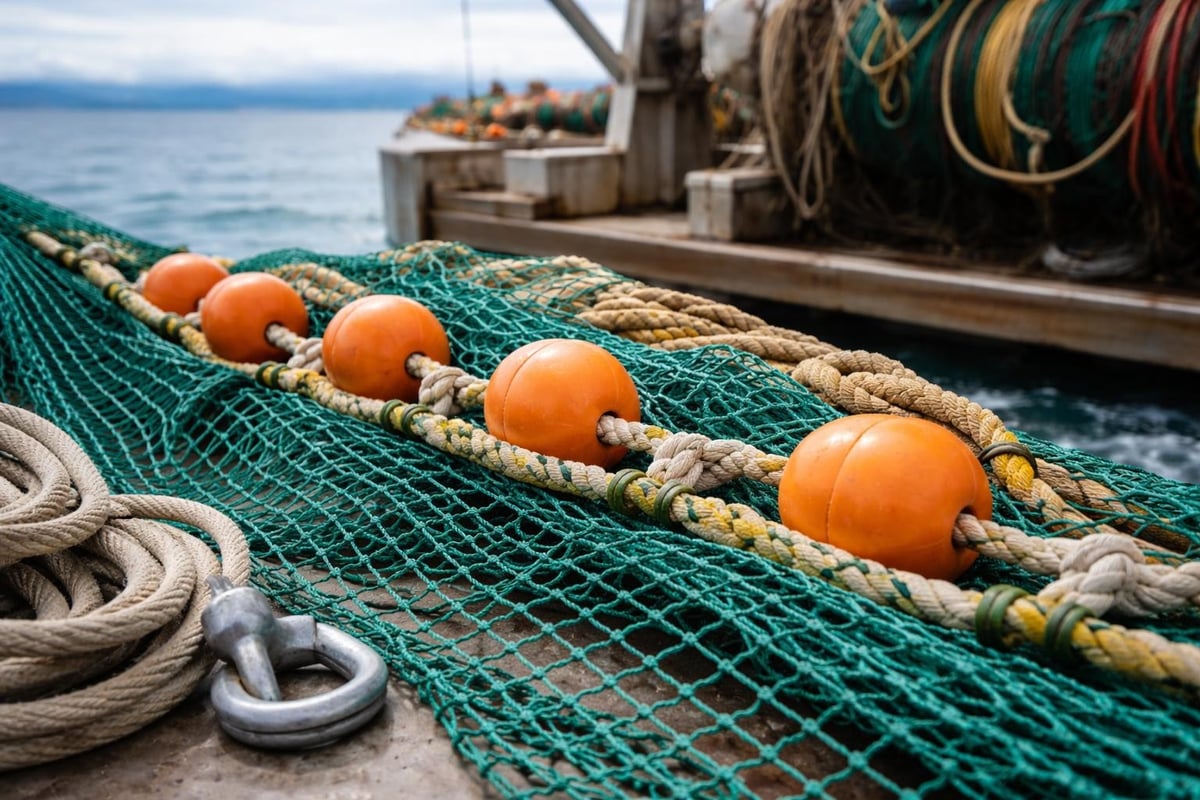
Fishing nets represent the cornerstone of commercial fishing operations throughout the Pacific region. Different fishing methods require specialized net configurations, each optimized for specific target species and water conditions. Selecting appropriate netting directly impacts catch efficiency, bycatch reduction, and operational costs.
| Net Type | Primary Use | Typical Mesh Size | Material Considerations |
|---|---|---|---|
| Trawl Nets | Bottom fishing | 50-150mm | High abrasion resistance |
| Seine Nets | Surface/mid-water | 25-75mm | Lightweight, flexible |
| Gill Nets | Selective fishing | 75-200mm | Monofilament or multifilament |
| Cast Nets | Baitfish collection | 6-25mm | Quick-sinking weights |
Mesh size regulations protect juvenile fish populations and ensure sustainable harvesting practices. The Fisheries Act 1996 established comprehensive frameworks for managing fishing resources, including specific requirements for net specifications in different fisheries.
Modern fishing nets incorporate advanced materials that balance strength with flexibility. Polyethylene and nylon blends offer superior UV resistance compared to traditional materials, extending service life in New Zealand's intense sunlight conditions. Ready-to-use fishing nets eliminate time-consuming rigging processes, allowing operators to deploy equipment immediately upon delivery.
Locally manufactured fishing gear new zealand conditions specifically address provides distinct advantages over imported alternatives. Manufacturers familiar with Pacific fishing conditions engineer products that perform reliably in regional waters. Custom net configurations accommodate specific vessel types, target species, and fishing methods.
Working with experienced manufacturers enables specifications tailored to operational requirements. Whether you need specific mesh sizes, net dimensions, or float arrangements, custom manufacturing ensures equipment matches your precise needs. New Zealand's largest net manufacturers produce over 350,000 meters of ready-to-use nets annually, demonstrating the scale and capability of local production facilities.
Beyond nets, comprehensive fishing operations require extensive rope and rigging systems. These components connect equipment, secure catches, and enable safe vessel operations. Quality ropes must resist saltwater degradation while maintaining strength and flexibility across temperature ranges.
Critical rope specifications include:
Different fishing methods demand specific rope types. Longline fishing requires ropes that maintain tension while allowing controlled stretch. Trawling operations need extremely durable ropes capable of withstanding constant strain. Mooring and anchoring applications require maximum strength with minimal stretch characteristics.
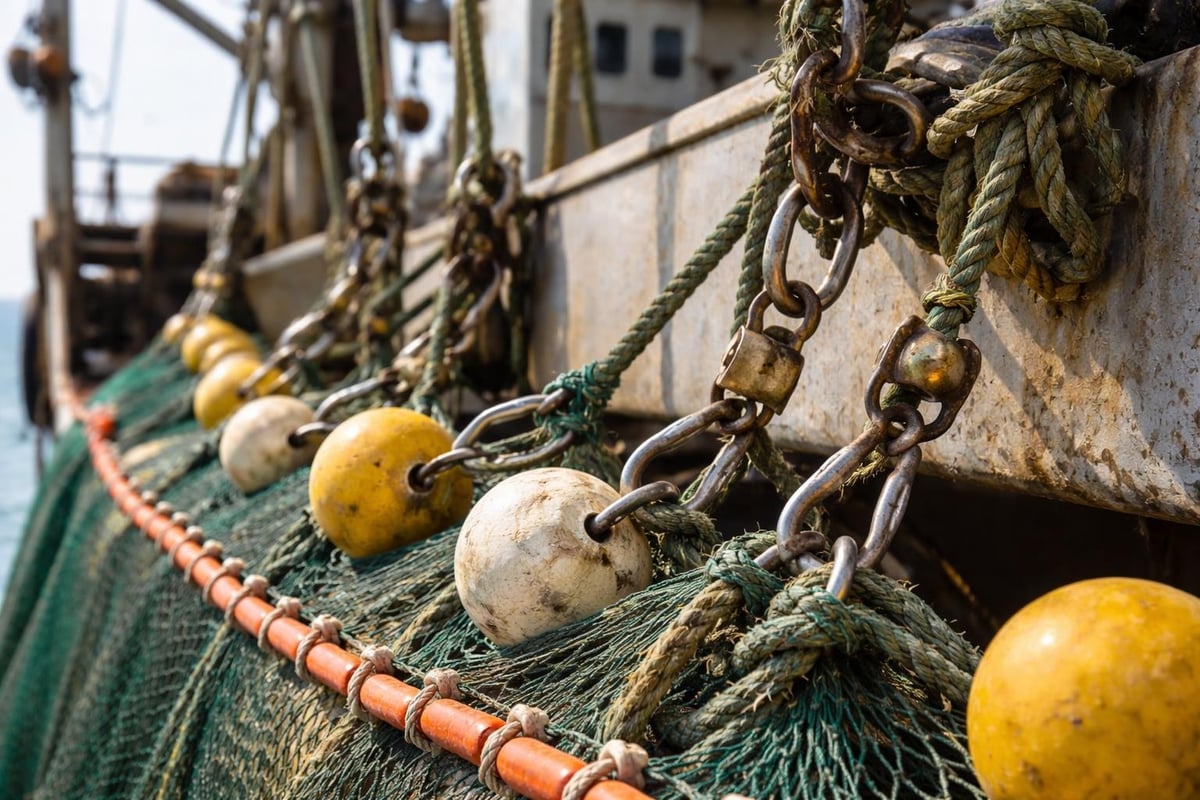
Effective float systems maintain proper net positioning, enhance visibility, and support efficient gear retrieval. Commercial-grade floats endure impacts, resist punctures, and maintain buoyancy despite extended saltwater exposure. Color coding helps identify gear ownership and improves visibility for other vessels navigating fishing areas.
Float placement significantly affects net performance. Proper spacing ensures even net distribution through water columns, preventing tangling and optimizing catch rates. Gear innovation developments continue advancing float technology, incorporating GPS tracking and sensor capabilities for enhanced monitoring.
Recreational fishing in New Zealand requires different equipment approaches compared to commercial operations. While commercial fishing emphasizes efficiency and capacity, recreational fishing prioritizes versatility, portability, and species-specific techniques. Understanding fishing rules and regulations ensures recreational fishers maintain compliance while enjoying New Zealand's abundant fishing opportunities.
Selecting appropriate rod and reel combinations depends on target species, fishing location, and preferred techniques. Coastal fishing for snapper, kahawai, and trevally requires different equipment than pursuing trout in freshwater streams or targeting kingfish in offshore waters.
Popular recreational fishing setups include:
Electric reels have gained popularity for targeting deep-water species like hapuku and bluenose. These specialized reels reduce physical strain while enabling precise depth control. Quality electric reel systems include reliable battery packs and charging equipment for extended fishing sessions.
Beyond rods and reels, successful recreational fishing requires comprehensive terminal tackle collections. Hooks, sinkers, swivels, and leaders must match target species and fishing conditions. New Zealand's diverse fishing environments demand varied tackle selections.
Quality fishing knives represent essential equipment for processing catches efficiently and safely. Professional-grade filleting knives enable clean, precise cuts that maximize usable meat while minimizing waste. Proper knife maintenance ensures consistent performance and extends tool longevity.
Fishing vessel operations require extensive marine equipment beyond fishing-specific gear. Navigation electronics, safety equipment, and deck hardware all contribute to successful and safe fishing operations. Comprehensive equipment planning addresses all operational requirements before departing harbor.
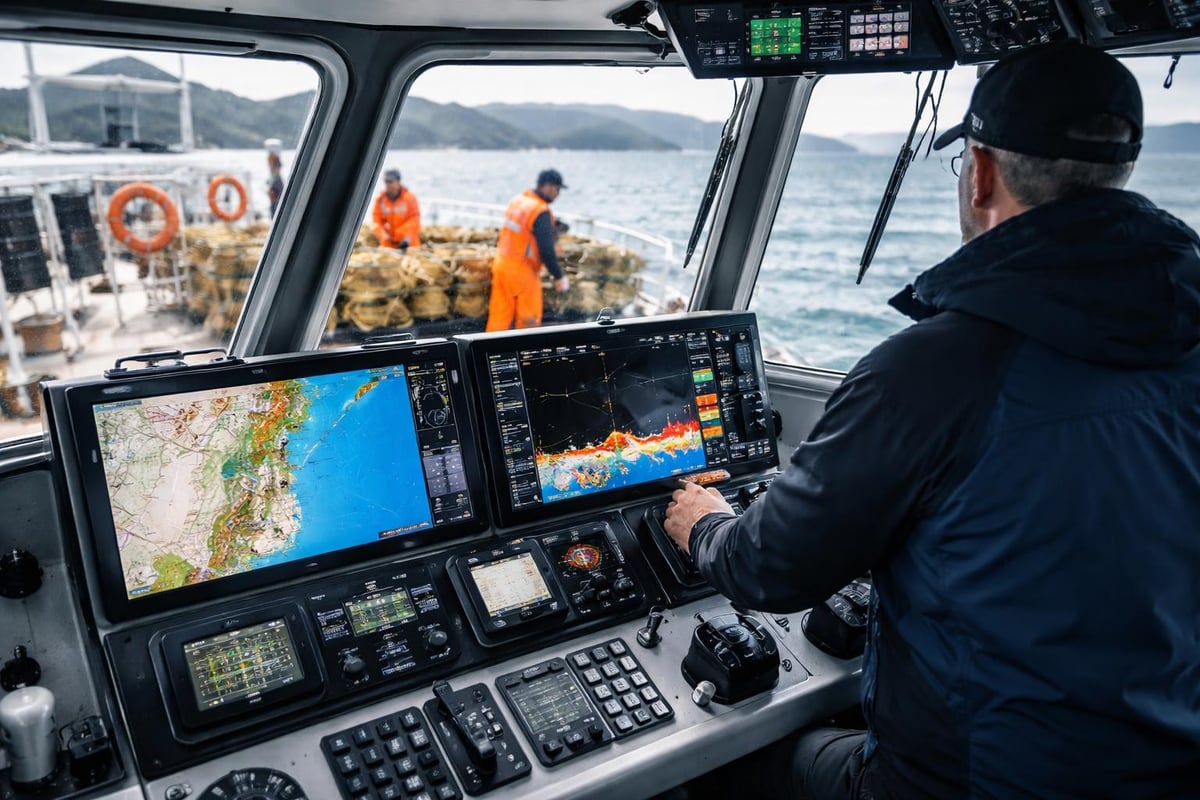
Modern fishing relies heavily on electronic equipment for navigation, fish location, and weather monitoring. Chart plotters provide detailed bathymetric information, helping identify productive fishing grounds while ensuring safe navigation. Fish finders reveal bottom structure, depth changes, and fish concentrations, significantly improving fishing efficiency.
GPS navigation systems enable precise waypoint marking, allowing return visits to productive fishing locations. Integration between multiple electronic systems provides comprehensive operational awareness. Regular equipment maintenance and software updates ensure reliable performance when needed most.
| Equipment Type | Primary Function | Key Features |
|---|---|---|
| Chart Plotters | Navigation mapping | Waypoint storage, route planning |
| Fish Finders | Underwater imaging | Bottom structure, fish schools |
| VHF Radios | Communication | Weather updates, emergency contact |
| GPS Systems | Position tracking | Waypoint marking, route recording |
Commercial and recreational fishing operations must prioritize safety through appropriate equipment selection. Personal flotation devices, emergency beacons, fire suppression equipment, and first aid supplies represent minimum safety requirements. Many fishing vessels exceed minimum requirements, recognizing that comprehensive safety equipment protects lives and property.
Catch handling equipment facilitates safe, efficient fish processing. Heavy-duty gambrels and hoisting systems enable secure handling of large catches. Proper equipment reduces injury risks while maintaining fish quality from capture through processing.
Proper equipment maintenance directly impacts fishing gear new zealand conditions expose to longevity and performance. Saltwater environments accelerate corrosion and degradation across all equipment types. Implementing systematic maintenance routines prevents premature failure and reduces long-term costs.
Post-use cleaning removes salt, organic matter, and debris that accelerate equipment deterioration. Freshwater rinsing represents the minimum maintenance requirement for all fishing gear exposed to saltwater. More thorough cleaning with appropriate detergents removes oils and stubborn residues.
Essential maintenance practices include:
Nets require particular attention during maintenance. Inspecting mesh for holes, weak spots, and excessive wear prevents catastrophic failures during fishing operations. Prompt repairs to minor damage prevent expansion into larger problems requiring extensive replacement.
Appropriate storage protects equipment between fishing trips while maximizing available space. Nets should be stored loosely folded or hung to prevent permanent creasing. Ropes benefit from coiling techniques that prevent kinking and maintain flexibility. Electronic equipment requires climate-controlled storage protecting against moisture and temperature extremes.
UV exposure degrades synthetic materials even during storage. Covered storage areas or protective tarps shield equipment from sunlight, extending service life significantly. Organized storage systems improve efficiency, enabling quick equipment location when preparing for fishing operations.
Choosing reliable fishing gear new zealand suppliers affects equipment quality, delivery times, and long-term support. Established manufacturers with proven track records provide confidence in product performance and durability. Local manufacturing offers advantages including faster delivery, easier communication, and products specifically designed for regional conditions.
Reputable fishing equipment manufacturers demonstrate expertise through years of industry experience, comprehensive product ranges, and customer testimonials. Manufacturing capacity indicates ability to fulfill orders promptly while maintaining quality standards. Companies producing hundreds of thousands of meters of fishing nets annually possess the infrastructure and expertise ensuring consistent quality.
Key supplier evaluation criteria:
New Zealand-made quality standards often exceed international alternatives because manufacturers understand local requirements intimately. Products designed for New Zealand conditions perform reliably throughout Pacific fishing operations, making locally manufactured equipment the preferred choice for many commercial operators.
Establishing relationships with trusted suppliers provides ongoing benefits beyond initial purchases. Experienced suppliers offer valuable advice regarding equipment selection, maintenance practices, and regulatory compliance. They understand fishing industry challenges and can recommend solutions based on extensive customer interactions.
Regular communication with suppliers ensures awareness of new products, technological innovations, and industry developments. New Zealand Fishing News provides valuable industry information, keeping fishers informed about equipment trends, technique developments, and regulatory changes affecting operations.
Modern fishing gear new zealand operations increasingly emphasize environmental responsibility alongside productivity. Sustainable fishing practices protect marine ecosystems while ensuring long-term industry viability. Equipment selection plays crucial roles in minimizing environmental impacts and supporting conservation objectives.
Fishing gear modifications can significantly reduce bycatch of non-target species. Modified net designs, escape panels, and selective mesh configurations allow juvenile fish and non-target species to escape while retaining desired catches. These innovations support sustainable fisheries management while maintaining operational efficiency.
Compliance with mesh size regulations represents fundamental bycatch reduction. Regulations established through fisheries management research ensure fishing gear allows juvenile fish to escape, protecting future populations. Understanding and implementing these requirements demonstrates commitment to sustainable practices.
Lost or abandoned fishing gear contributes to marine pollution and wildlife hazards. Responsible operators implement practices minimizing gear loss and participate in recovery programs when equipment becomes separated. Proper equipment marking facilitates recovery efforts and demonstrates ownership responsibility.
End-of-life equipment disposal requires environmental consideration. Recycling programs for fishing nets and synthetic ropes prevent landfill accumulation while recovering valuable materials. Working with manufacturers offering recycling services supports circular economy principles within the fishing industry.
Staying informed about fishing equipment developments, regulatory changes, and best practices enhances operational success. Multiple organizations provide valuable resources supporting commercial and recreational fishers throughout New Zealand. Engaging with these resources demonstrates professional commitment while improving knowledge and skills.
Fish & Game New Zealand manages sports fish and gamebird resources, providing educational materials, research findings, and regulatory updates relevant to recreational fishers. Their comprehensive programs support sustainable fishing while promoting conservation values.
Professional development opportunities include workshops, seminars, and certification programs addressing fishing techniques, equipment maintenance, and safety procedures. Industry associations facilitate networking among fishing professionals, enabling experience sharing and collaborative problem-solving.
Valuable industry resources include:
Continuous learning ensures fishing operations remain current with evolving technologies, regulations, and best practices. Investing time in professional development pays dividends through improved efficiency, safety, and sustainability.
Selecting appropriate fishing gear new zealand waters and regulations require depends on understanding your specific operational needs, compliance requirements, and quality standards. Whether you're operating commercial fishing vessels across Pacific waters or pursuing recreational fishing opportunities, investing in quality equipment manufactured to regional specifications ensures reliable performance and sustainable practices. Action Outdoors Limited provides comprehensive fishing and marine equipment solutions, manufacturing over 350,000 meters of ready-to-use fishing nets annually alongside extensive selections of ropes, floats, rigging components, and specialized equipment for commercial and recreational applications. Explore their full range of New Zealand-made fishing gear designed specifically for Pacific conditions.
Shop related products at Action Outdoors: Fishing Nets · Marine Electronics · Fishing Lures
Leave a comment