
Email

Finding reliable fishing tackle suppliers near me has become increasingly important for commercial operations, community fisheries, and marine equipment professionals throughout 2026. Whether you're managing a commercial fishing fleet in the Pacific or operating a coastal fishery in New Zealand, the proximity and reliability of your tackle supplier directly impacts your operational efficiency, equipment costs, and ultimately your bottom line. The right supplier relationship means more than just convenient access to hooks and lines-it represents a strategic partnership that can support your business through specialized inventory, technical expertise, and responsive service when equipment needs arise unexpectedly.
The fishing tackle supply industry has evolved significantly over the past decade, moving beyond traditional retail shops to encompass specialized wholesale distributors, manufacturers with direct sales channels, and integrated marine equipment suppliers. When searching for fishing tackle suppliers near me, you'll encounter several distinct business models, each serving different market segments with varying degrees of specialization.
Wholesale distributors like National Tackle serve as intermediaries between manufacturers and retail operations, offering broad product lines from multiple brands with territory-based service models. These suppliers typically focus on serving retail businesses rather than end-users, though some accommodate commercial fishing operations with specific needs.
Manufacturer-direct suppliers produce their own equipment and sell directly to fishing operations, fisheries, and marine businesses. This model often provides better pricing on core products and ensures consistent quality standards, particularly important for commercial operations requiring reliable performance across thousands of meters of netting or rope.
| Supplier Type | Best For | Typical Products | Service Model |
|---|---|---|---|
| Wholesale Distributors | Retail businesses, broad selection needs | Multi-brand tackle, accessories | Territory managers, scheduled delivery |
| Manufacturer-Direct | Commercial operations, bulk orders | Specialized equipment, nets, ropes | Custom orders, export support |
| Retail Tackle Shops | Immediate needs, small quantities | General fishing gear, local favorites | Walk-in, limited commercial focus |
| Marine Equipment Suppliers | Integrated needs, boat equipment | Tackle plus marine hardware | Full-service marine support |
Commercial fisheries benefit most from establishing relationships with multiple supplier types. Your primary partner might be a manufacturer-direct supplier for nets and essential commercial equipment, while maintaining backup relationships with local retail shops for emergency replacement needs.
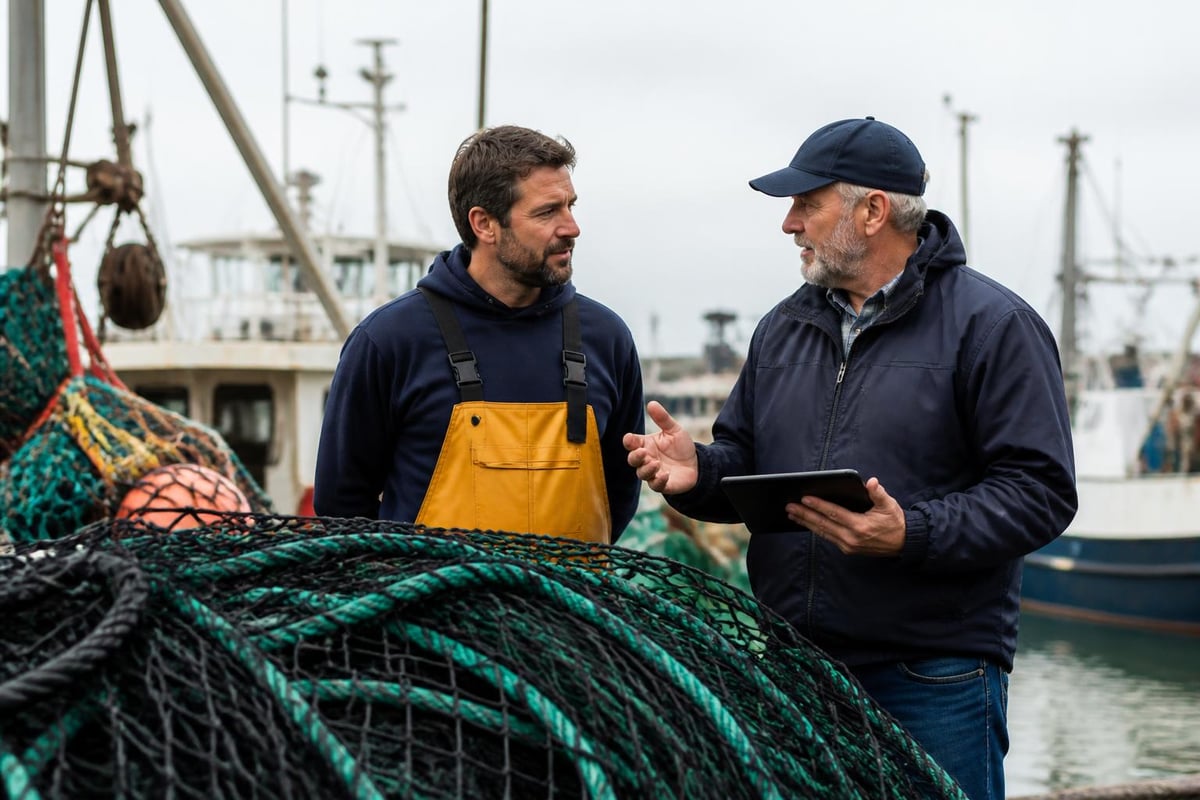
The process of identifying quality fishing tackle suppliers near me requires systematic evaluation across multiple criteria. Geographic proximity matters, but it's not the only consideration-particularly for commercial operations where product quality, technical support, and reliable delivery schedules often outweigh the convenience of a nearby storefront.
When assessing potential suppliers, consider these essential elements:
The online fishing tackle store model has introduced new considerations around remote purchasing, shipping logistics, and the balance between digital convenience and hands-on product evaluation. For commercial buyers, this shift has created opportunities to source specialized equipment from manufacturers regardless of physical location.
Commercial fishing operations have fundamentally different needs than recreational anglers. When searching for fishing tackle suppliers near me as a commercial operator, your requirements extend far beyond basic hooks and lines into specialized netting, heavy-duty ropes, industrial-grade floats, and marine equipment built to withstand constant use in demanding conditions.
Terminal tackle manufacturers like Rosco Terminal Tackle specialize in components such as swivels, snaps, sleeves, and rings-essential hardware that connects various elements of commercial fishing systems. These suppliers typically serve the industry through distributor networks rather than direct sales, but their products represent critical elements in commercial fishing operations.
For Pacific Island fisheries and New Zealand operations, fishing nets represent the single largest equipment investment. Supplier selection in this category demands careful attention to mesh construction, material durability, and the supplier's capacity to produce or source large quantities with consistent specifications.
Understanding fishing net sizes and specifications becomes crucial when evaluating suppliers, as different operations require vastly different net configurations. A supplier experienced in commercial applications will guide you through mesh size selection, rope diameter, float spacing, and other technical specifications rather than simply taking an order.
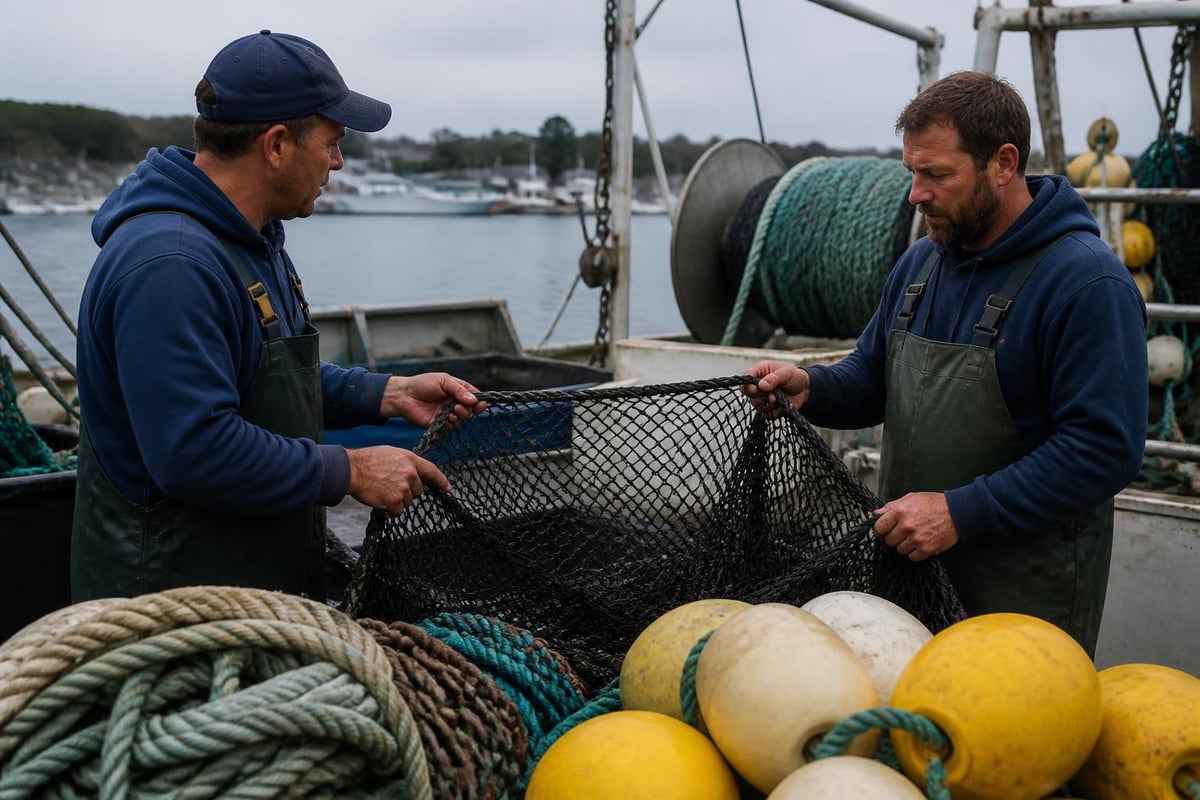
The phrase "fishing tackle suppliers near me" takes on different meanings depending on your location. Urban coastal areas typically offer multiple retail options but may lack specialized commercial suppliers. Rural fishing communities often have limited local options but strong relationships with regional wholesalers who understand the specific needs of their area.
Pacific Island fisheries face unique challenges in supplier selection. Limited local inventory and extended shipping times from international suppliers make reliability and stock availability critical factors. Suppliers familiar with Pacific Island markets understand the importance of container-efficient packaging, documentation requirements, and the need for products that perform reliably in tropical marine conditions.
New Zealand operations benefit from a more developed supply infrastructure but still face decisions about sourcing locally-manufactured products versus importing equipment from international suppliers. High-strength ropes manufactured domestically offer quality assurance and faster delivery, while imported specialty items may provide cost advantages for non-critical applications.
| Region | Primary Challenge | Recommended Approach |
|---|---|---|
| Pacific Islands | Limited inventory, shipping delays | Establish primary supplier with export expertise, maintain safety stock |
| New Zealand Coastal | Balance local vs. imported products | Mix local manufacturer for nets/ropes, supplement with specialty imports |
| Remote Fishing Communities | Distance from major suppliers | Develop relationships with regional distributors, plan ahead for seasonal needs |
| Urban Fishing Ports | Multiple competing options | Leverage competition for pricing, prioritize service and technical support |
Several online resources help fisheries locate fishing tackle suppliers near me, though the quality and completeness of these directories vary significantly. BaitNet.com maintains a searchable database of bait shops and tackle shops across the United States and Canada, useful for identifying retail options when traveling or establishing new operational areas.
For wholesale and commercial suppliers, industry-specific directories provide more relevant results. Cannon Tackle Supply represents the type of broad-line distributor that serves retail dealers with extensive product catalogs, though their focus on retail channels may limit their value for commercial fishing operations.
Finding the right suppliers requires moving beyond simple directory searches:
The marine equipment and boating gear category often overlaps with fishing tackle suppliers, particularly for commercial operations that need comprehensive marine supplies beyond fishing-specific equipment. Integrated suppliers who can provide everything from fishing nets to boat maintenance supplies may offer operational efficiencies worth considering.
Not all fishing tackle suppliers near me maintain the same quality standards, and for commercial operations, equipment failure translates directly into lost revenue and operational downtime. Establishing clear quality criteria helps separate suppliers who truly understand commercial fishing needs from those primarily serving recreational markets.
Material specifications matter significantly in commercial applications. Nets manufactured from high-quality nylon or polyethylene with UV inhibitors will outlast cheaper alternatives by years, offsetting higher initial costs through extended service life. Similarly, rope materials selected for specific applications-manila for traditional applications, polyester for low-stretch requirements, nylon for shock absorption-demonstrate a supplier's understanding of real-world fishing conditions.
When evaluating suppliers, look for these quality markers:
The comprehensive fish net guide approach to product selection reflects the depth of knowledge professional suppliers should bring to customer relationships, helping operations select optimal equipment rather than simply processing orders.
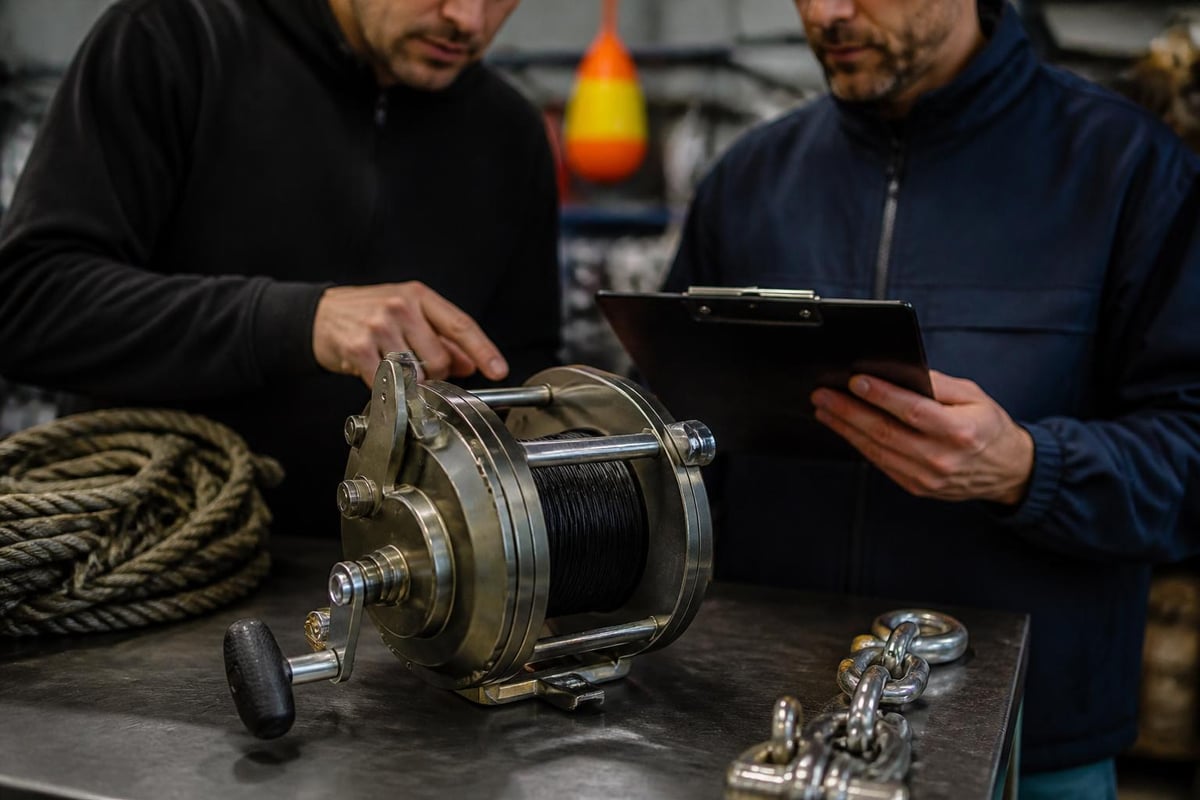
Finding fishing tackle suppliers near me with competitive pricing requires understanding different pricing structures and how they impact your total cost of ownership. The lowest unit price doesn't always deliver the best value, particularly when factoring in equipment longevity, delivery costs, technical support, and the opportunity cost of equipment failures.
Volume-based pricing rewards larger orders with reduced per-unit costs, but requires careful inventory management to avoid tying up capital in excess stock. Contract pricing arrangements lock in rates for specific periods, protecting against market volatility but requiring accurate demand forecasting. Project-based pricing for custom netting or specialized equipment may include setup costs, tooling fees, and minimum order quantities that affect overall economics.
| Cost Element | Retail Supplier | Wholesale Distributor | Manufacturer-Direct |
|---|---|---|---|
| Unit Price | Highest | Moderate | Often lowest on core products |
| Minimum Order | None or low | Moderate | May be significant |
| Delivery Costs | Often included | Scheduled routes | May be per-order |
| Technical Support | Basic | Limited | Extensive |
| Customization | Not available | Limited | Often available |
Understanding downrigger lead and trolling weights pricing demonstrates how specialized equipment categories may be better sourced from specialist suppliers who maintain deeper inventory and technical knowledge, even if their headline prices appear higher than general marine suppliers.
Successful commercial fishing operations view their primary fishing tackle suppliers near me as strategic partners rather than transactional vendors. These relationships deliver value beyond product pricing through preferential inventory allocation during shortages, flexible payment terms, technical problem-solving, and early access to new products.
Communication consistency forms the foundation of strong supplier relationships. Regular contact about upcoming needs, seasonal patterns, and changing requirements helps suppliers anticipate your needs and plan their inventory accordingly. When supply chain disruptions occur-an increasingly common challenge in 2026-established relationships often determine who receives available inventory first.
Reciprocal transparency strengthens partnerships. Sharing information about your operational plans, expansion projects, and equipment performance helps suppliers serve you more effectively. When they understand that a particular net configuration consistently performs well in your fishery, they can proactively suggest that specification for future orders and potentially offer improved pricing as they optimize their own production.
The RV and industrial gear diversification offered by some suppliers reflects their broader capabilities and may indicate greater business stability and supply chain resilience compared to single-category specialists.
Several significant trends in 2026 are reshaping how commercial fishing operations identify and work with fishing tackle suppliers near me. Sustainability requirements increasingly influence purchasing decisions, with fisheries seeking suppliers who can document environmentally responsible manufacturing practices and materials sourcing.
Digital ordering systems have become standard among professional suppliers, enabling online inventory checking, order placement, and shipment tracking. Operations that once required phone calls or in-person visits now occur through supplier portals, improving efficiency but potentially reducing the personal relationship elements that characterize the best supplier partnerships.
Industry participation trends, as discussed in recent fishing industry analysis, show evolving patterns in recreational and commercial fishing that influence supplier inventory decisions and product development priorities. Understanding these broader market dynamics helps predict supplier behaviors and product availability.
Looking ahead to equipment trends, anticipated lure developments and tackle innovations suggest that suppliers investing in product development and manufacturer relationships will offer competitive advantages through early access to performance-improving equipment.
Research into fishing pressure and climate change impacts on fish populations highlights the importance of sustainable harvest strategies, which in turn influences equipment needs and supplier relationships as fisheries adapt to changing conditions.
Most successful commercial operations don't rely on a single source for all their fishing tackle needs. Instead, they develop tiered supplier strategies that balance different supplier types against specific equipment categories and purchasing situations.
Primary suppliers handle the majority of volume purchases-nets, ropes, and other core equipment used in large quantities. These relationships justify the time investment in building deep partnerships and often deliver the best total cost of ownership through negotiated pricing, technical support, and reliable delivery.
Secondary suppliers provide specialty items, backup capacity, or price competition on commodity products. Maintaining these relationships requires less intensive management but offers important risk mitigation against primary supplier disruptions.
Emergency suppliers might be local retail shops that carry basic replacement items needed immediately when equipment fails unexpectedly. While pricing may be higher, their value lies in availability and proximity during critical situations.
After researching fishing tackle suppliers near me and evaluating options against your specific requirements, final supplier selection should follow a structured decision-making process. Create a weighted scoring system that reflects your operational priorities-whether that's price, delivery reliability, technical support, or product quality-and objectively score each potential supplier.
Trial orders with new suppliers reduce risk before committing to large purchases or exclusive relationships. Even when a supplier appears ideal based on their marketing materials and initial conversations, small test orders reveal how they actually perform on delivery timelines, product quality, and customer service responsiveness.
Reference checks with other commercial fishing operations provide insights you won't get from suppliers themselves. Ask specific questions about how suppliers handled problems, whether quality remained consistent across multiple orders, and whether the relationship delivered promised value over time.
For Pacific Island operations and New Zealand fisheries, the combination of local manufacturing capability, export expertise, and comprehensive product range creates significant value. Suppliers who understand the unique requirements of Pacific markets, maintain ready inventory of commercial-grade equipment, and provide reliable turnaround times on custom orders deliver competitive advantages that extend beyond simple product pricing.
Selecting the right fishing tackle suppliers near me requires balancing proximity, product quality, technical expertise, and long-term reliability against your operation's specific needs. Whether you're running commercial fisheries in the Pacific Islands or managing coastal operations in New Zealand, your supplier relationships directly impact operational efficiency and profitability. Action Outdoors Limited manufactures over 350,000 meters of ready-to-use fishing nets annually, providing New Zealand-made quality with the specialized knowledge and export capabilities that commercial fisheries require. With comprehensive fishing and marine equipment inventory, quick turnaround times, and dependable service across the Pacific region, we're positioned to serve as your primary supplier partner for nets, ropes, marine hardware, and the full range of commercial fishing equipment your operation demands.
Leave a comment