
Email

Flounder fishing remains one of New Zealand's most rewarding recreational and commercial fishing activities, with specialized netting techniques offering exceptional results in estuaries, harbors, and coastal shallows. Understanding the nuances of flounder nets NZ fishers rely on makes the difference between a productive outing and an empty catch. From mesh specifications to regulatory compliance, selecting and deploying the right equipment requires knowledge of both the fish species and the unique conditions found in Kiwi waters.
Flounder nets designed for New Zealand conditions differ significantly from generic set nets or gill nets used for other species. These specialized nets target the flatfish family, particularly sand flounder and yellowbelly flounder, which inhabit shallow coastal areas throughout both North and South Islands.
The most effective flounder nets NZ fishers use typically feature mesh sizes ranging from 4 to 5 inches, allowing smaller fish to escape while retaining legal-sized specimens. This mesh specification balances conservation with productivity, ensuring sustainable harvesting while maximizing catch rates for keepers.
Material composition forms the foundation of durable flounder nets. Monofilament nylon offers near-invisibility in water, increasing catch rates by reducing fish wariness. Multi-strand nylon provides superior strength and longevity, particularly in areas with strong currents or abrasive substrates.
Modern flounder nets incorporate several critical components:
Net length varies based on fishing location and regulatory constraints. Most recreational fishers deploy nets between 30 and 60 meters, while understanding fishing rules for gear methods and species ensures compliance with current restrictions.
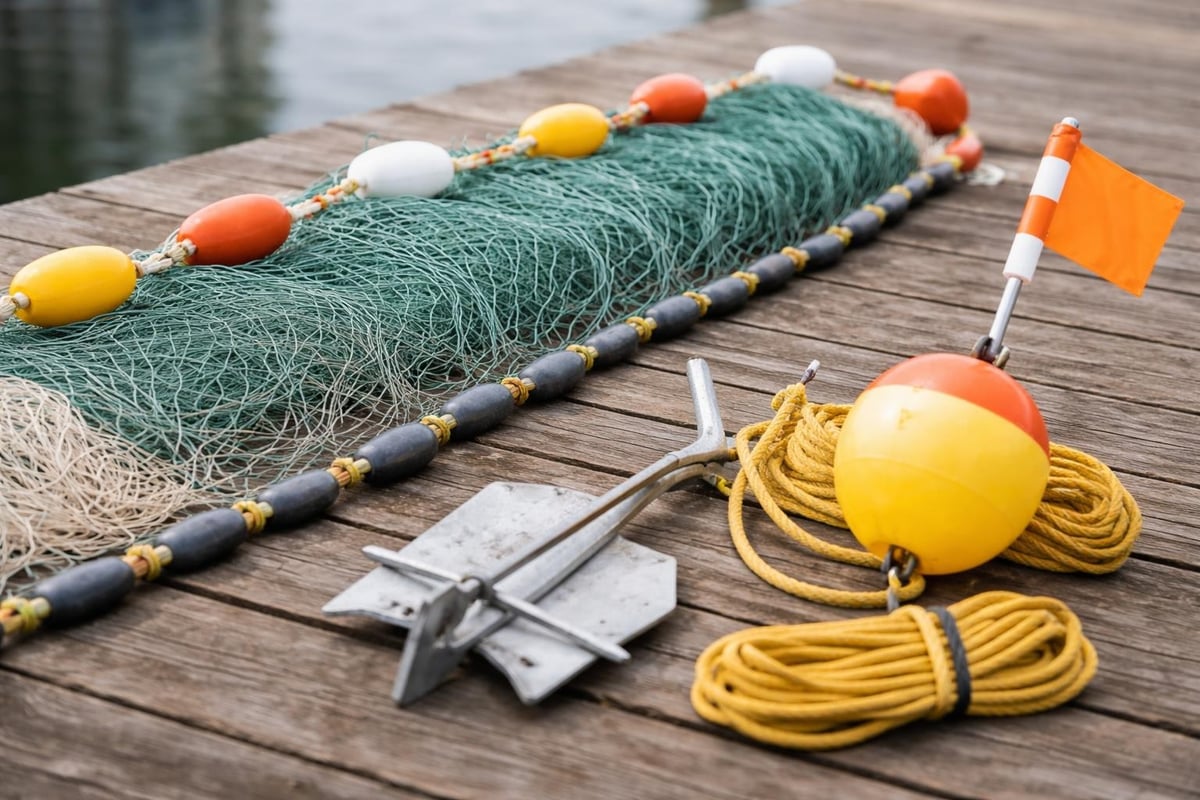
Choosing appropriate flounder nets NZ conditions demand requires evaluating multiple factors beyond simple size and mesh specifications. The fishing environment, target species size, and deployment method all influence net selection.
| Mesh Size | Target Fish Length | Best Application | Retention Rate |
|---|---|---|---|
| 4 inches | 30-40 cm | Mixed size harvest | Medium-High |
| 4.5 inches | 35-45 cm | Standard recreational | High |
| 5 inches | 40+ cm | Trophy specimens | Very High |
Smaller mesh sizes increase total catch numbers but require more careful sorting to release undersized fish. Larger mesh naturally selects for legal-sized specimens, reducing handling time and stress on juvenile populations.
Environmental conditions significantly impact net performance. Estuarine systems with soft mud bottoms require lighter lead lines to prevent the net sinking into substrate. Rocky or shell-covered areas benefit from heavier lead weights and reinforced bottom edges.
Water temperature influences flounder behavior patterns throughout the year. Winter months see flounder congregating in deeper channels, requiring nets with greater vertical height. Summer fishing often occurs in extremely shallow water, where low-profile nets prevent excessive surface visibility.
The detailed information on flatfish species provided by conservation authorities helps fishers understand seasonal movements and optimal netting locations. This knowledge directly informs net selection and deployment strategy.
Tidal patterns create additional complexity. Strong tidal flows demand reinforced nets with extra anchor points, while slack water periods allow for lighter, more portable equipment. Understanding your primary fishing locations enables smart investment in purpose-built nets.
Effective use of flounder nets NZ fishers have perfected over generations combines strategic placement, timing, and careful handling procedures. The difference between novice and experienced netters often comes down to execution rather than equipment quality.
Depth selection proves critical for consistent catches. Flounder typically feed in water ranging from knee-deep to approximately 3 meters, depending on bottom type and food availability. Sandy or muddy bottoms adjacent to channels produce the most reliable results.
Timing considerations extend beyond tidal movements. Dawn and dusk periods coincide with peak flounder feeding activity, making these optimal windows for net deployment. Night fishing often produces exceptional results, particularly during warmer months when flounder feed more actively after dark.
Checking nets at appropriate intervals prevents excessive fish stress and ensures catch quality. Most experienced netters inspect their sets every 2-3 hours, though regulations may specify maximum soak times. Quick retrieval maintains fish condition and reduces bycatch mortality.
The practical advice on flounder netting methods shared by experienced anglers emphasizes gentle handling during net recovery. Pulling too aggressively damages mesh and stresses entangled fish unnecessarily.
Operating flounder nets NZ regulations govern requires thorough understanding of current rules, size limits, and permitted fishing areas. Compliance protects both the resource and fishing privileges for future generations.
New Zealand fishing regulations specify strict requirements for set net operations. Recreational fishers must adhere to maximum net lengths, typically 60 meters, though regional variations exist. Commercial operators face different specifications based on their specific permits.
Marking requirements demand high-visibility buoys at both net ends, with some areas requiring additional identification information. Failure to properly mark nets risks confiscation and significant penalties. Understanding New Zealand fishing rules including bag limits and sizes keeps anglers compliant.
Size limits protect juvenile populations from overharvesting. Most regions require minimum lengths between 25-30 centimeters, measured from nose to tail. Careful net selection with appropriate mesh sizing reduces the need for extensive sorting and release procedures.
Bycatch management represents a significant conservation concern. Flounder nets occasionally capture non-target species including rays, small sharks, and other flatfish varieties. Prompt release of these species, combined with thoughtful net placement away from sensitive habitats, minimizes ecological impact.
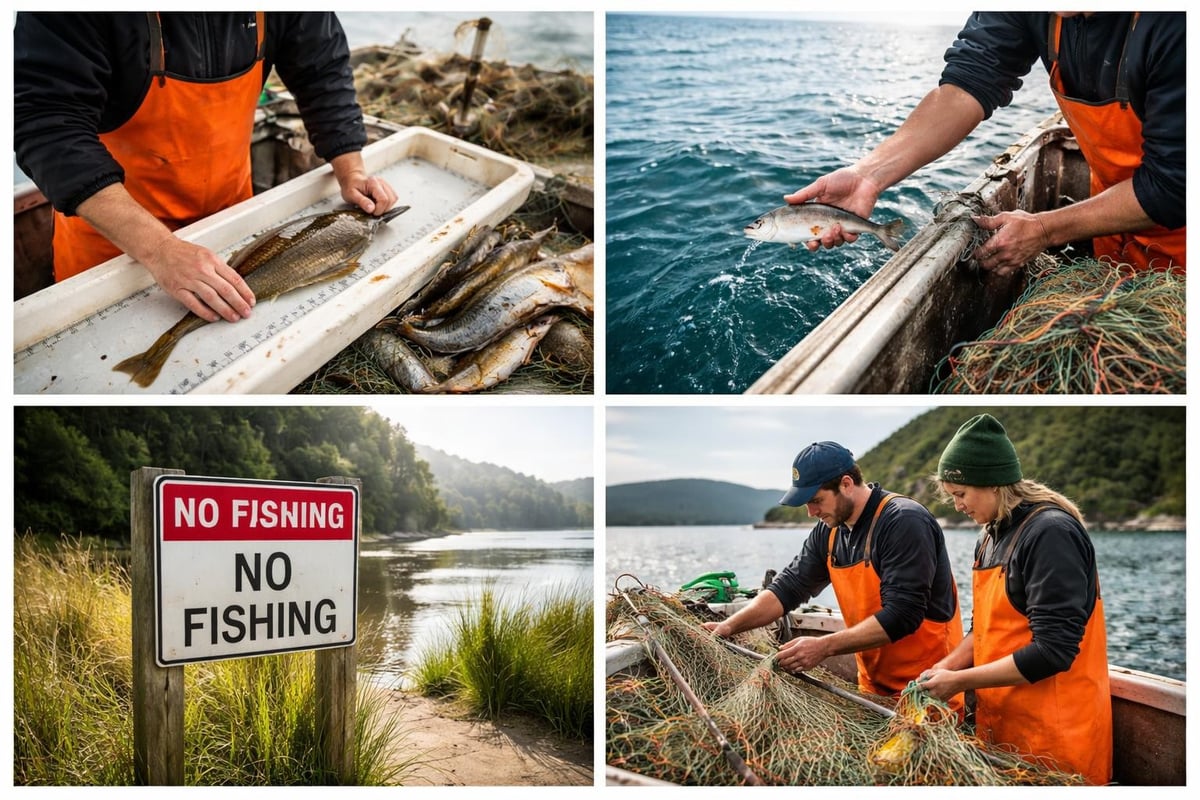
Quality flounder nets NZ manufacturers produce require consistent maintenance to deliver years of reliable service. Proper care extends net lifespan while maintaining catch efficiency and reducing environmental impact from premature disposal.
Saltwater exposure, particularly in combination with organic material and sunlight, degrades netting materials rapidly without proper rinsing. Fresh water removes salt crystals that accelerate fiber breakdown and corrosion of metal components.
Essential maintenance steps include:
Ultraviolet radiation causes significant damage to nylon fibers over time. Nets left exposed to prolonged sunlight become brittle and weak, even if they appear visually intact. Proper storage in covered areas dramatically extends usable life.
| Damage Type | Repair Method | Difficulty Level | Material Required |
|---|---|---|---|
| Small tears (1-3 meshes) | Hand weaving | Easy | Matching twine |
| Medium tears (4-10 meshes) | Patch panel | Moderate | Net panel, twine |
| Large sections | Professional repair | Advanced | Full section replacement |
| Float line damage | Component replacement | Easy | New floats, line |
Learning basic net mending saves substantial money over a net's lifetime. Simple tears repaired promptly prevent expansion into major damage requiring expensive professional intervention or complete net replacement.
Manufacturers like Action Outdoors understand the importance of marine equipment quality, producing nets with superior materials that withstand New Zealand's demanding conditions while remaining repairable when damage occurs.
Veteran flounder fishers develop sophisticated approaches that maximize catches while minimizing effort. These advanced methods build on fundamental techniques, incorporating environmental awareness and tactical precision.
Deploying multiple shorter nets rather than a single long net offers several advantages. This approach allows coverage of varied depth zones simultaneously, targeting flounder in different feeding patterns. It also provides backup if one net tangles or shifts position.
Positioning multiple nets requires consideration of:
Strategic net angles relative to current flow influence catch rates significantly. Experienced operators often set nets at slight angles rather than perfectly perpendicular, creating pockets where flounder naturally pause while moving with tidal flows.
Understanding how flounder species behave throughout the year enables predictive net placement. Winter concentrations in deeper channels differ markedly from summer dispersal across shallow flats.
Spring spawning periods see flounder moving into specific areas with particular bottom types. Identifying these locations and timing net deployment accordingly produces exceptional results during this narrow window.
Water clarity affects netting success more than many fishers realize. Turbid water from recent storms or river flooding reduces flounder wariness, often increasing catch rates despite challenging conditions. Conversely, crystal-clear water on calm days may require night fishing or nets positioned in naturally turbulent areas.
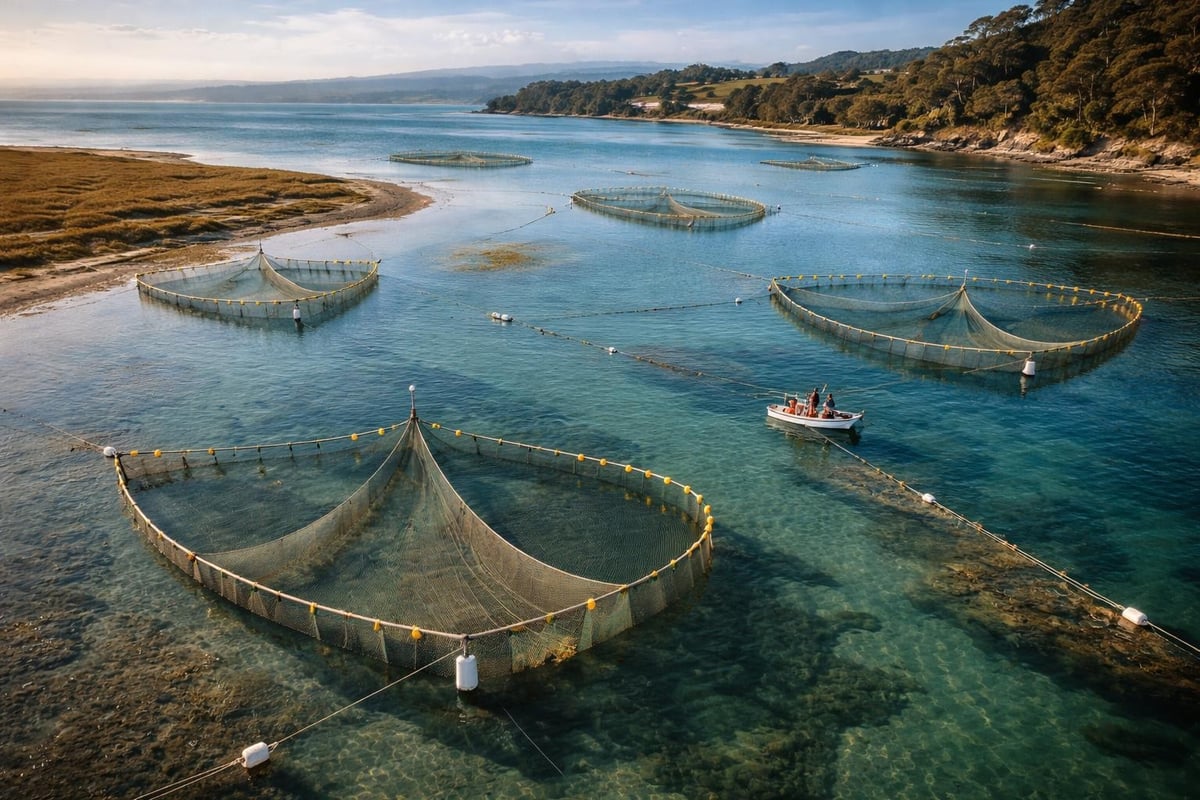
Professional flounder nets NZ operations utilize extend beyond the nets themselves. Supporting equipment enhances efficiency, safety, and catch quality across various fishing scenarios.
Quality marine equipment creates a complete fishing system. Proper storage solutions protect nets during transport and between fishing sessions. Waterproof containers or mesh bags prevent damage while allowing air circulation for drying.
Key supporting equipment includes:
Exploring must-have fishing equipment picks for 2026 reveals innovations that complement traditional netting approaches, creating more productive and enjoyable fishing experiences.
Boat-based netting operations benefit from dedicated net reels or drums that prevent tangling during deployment and retrieval. These systems reduce handling time and minimize damage from improper storage.
Shore-based fishers require different solutions. Backpack-style net bags distribute weight evenly, enabling comfortable hiking to remote locations with superior fishing potential. Wading operations demand waterproof storage that protects nets while allowing quick access during optimal tidal windows.
While recreational flounder netting provides enjoyment and food, commercial operations require different approaches to flounder nets NZ fisheries depend upon. Scale, efficiency, and consistency become paramount factors.
Commercial-grade nets incorporate heavier materials and reinforced construction to withstand daily deployment over extended periods. These nets often span maximum legal lengths and feature professional-grade components throughout.
Durability requirements drive material selection. Commercial operators cannot afford frequent repairs or replacements, making initial investment in premium nets economically sensible despite higher upfront costs.
Commercial operations typically maintain multiple net sets in various configurations. This diversity enables adaptation to changing conditions, seasonal patterns, and different fishing grounds without downtime for reconfiguration.
Effective fleet management requires:
The largest manufacturers, including Action Outdoors, produce fishing nets designed for Pacific markets, meeting both New Zealand standards and export requirements for commercial operators supplying regional markets.
While flounder nets NZ anglers commonly deploy offer excellent results, understanding alternative approaches provides flexibility when conditions or regulations favor different techniques.
Traditional angling for flounder uses specialized rigs designed for bottom contact. These methods excel in areas where netting proves impractical due to boat traffic, structures, or heavy weed growth.
The technique of flounder fishing with baited spoons demonstrates innovative approaches that combine lure fishing principles with bait presentation. This method allows coverage of larger areas while actively searching for concentrations.
Shallow water flounder sometimes permit direct observation and collection methods. Spearfishing in clear water provides selective harvesting of large specimens while leaving smaller fish undisturbed. This approach requires different skills but offers rewarding challenges for adventurous fishers.
Hand gathering during extreme low tides occasionally produces results in specific locations, though this method requires intimate knowledge of flounder hiding behavior and habitat preferences. Most serious flounder fishers maintain netting as their primary technique while incorporating alternatives when tactical advantages emerge.
The comprehensive guide to flounder fishing techniques covers various methods applicable to New Zealand conditions, helping anglers select optimal approaches for their specific situations and preferences.
The fishing industry continues evolving with new materials, designs, and technologies enhancing traditional methods. Flounder nets NZ manufacturers develop reflect ongoing innovation aimed at improving efficiency while supporting conservation.
Modern synthetic fibers offer superior strength-to-weight ratios compared to traditional materials. These advances enable construction of lighter nets with equivalent durability, reducing handling fatigue and transportation challenges.
Recent innovations include:
Environmental considerations drive many recent developments. Ghost fishing from lost or abandoned nets creates ongoing ecological damage. Biodegradable materials and improved tracking systems help mitigate these concerns while maintaining performance standards.
Electronic monitoring systems integrated with traditional nets enable remote checking without physical retrieval. These technologies reduce fuel consumption for boat-based operations while providing real-time catch data.
GPS marking systems ensure reliable net location even in poor visibility or challenging conditions. Some advanced setups include catch sensors alerting fishers when significant activity occurs, optimizing retrieval timing for peak efficiency.
Staying current with exciting fishing innovations for 2026 helps both recreational and commercial operators maintain competitive advantages while adopting sustainable practices that protect fisheries for future generations.
Mastering flounder netting in New Zealand waters combines quality equipment, regulatory knowledge, proper technique, and ongoing maintenance into a rewarding fishing approach that delivers consistent results. Whether pursuing recreational enjoyment or commercial operations, selecting appropriate nets and deploying them strategically makes all the difference in catch success. For fishers seeking premium flounder nets manufactured to New Zealand's highest standards, Action Outdoors Limited produces over 350,000 meters of ready-to-use fishing nets annually, combining decades of expertise with modern materials to serve both local anglers and Pacific export markets with dependable, high-performance fishing equipment.
Shop related products at Action Outdoors: Fishing Nets · Fishing Lures · Fishing Line
Leave a comment