
Email

Access to quality fishing gear shouldn't be a barrier preventing anyone from enjoying this rewarding outdoor activity. Across North America and beyond, numerous programs provide free fishing equipment to newcomers, families, and communities looking to explore fishing without significant upfront investment. These initiatives range from state-sponsored tackle loaner programs to nonprofit donation networks, all designed to make fishing more accessible while building stronger connections between people and marine conservation efforts.
State wildlife departments and conservation agencies have recognized that equipment costs can deter potential anglers from experiencing fishing. To address this challenge, many jurisdictions have established formal programs that provide free fishing equipment through libraries, parks, and recreational facilities.
Key Program Types:
The Pennsylvania Fishing Tackle Loaner Program exemplifies how government agencies can effectively democratize access to fishing. Participants can borrow complete tackle kits containing rods, reels, and essential accessories at no cost, removing the financial barrier that might otherwise prevent families from trying the sport.
Free fishing equipment programs have expanded significantly across the United States, with most coastal and inland states now offering some form of tackle loaner service. These programs typically operate through partnerships between wildlife agencies, park systems, and community organizations.
Maryland's Tackle Loaner Program demonstrates the comprehensive nature of modern equipment lending initiatives, maintaining numerous locations where residents can access free fishing equipment. The program serves both urban and rural communities, ensuring geographic equity in access to recreational fishing opportunities.
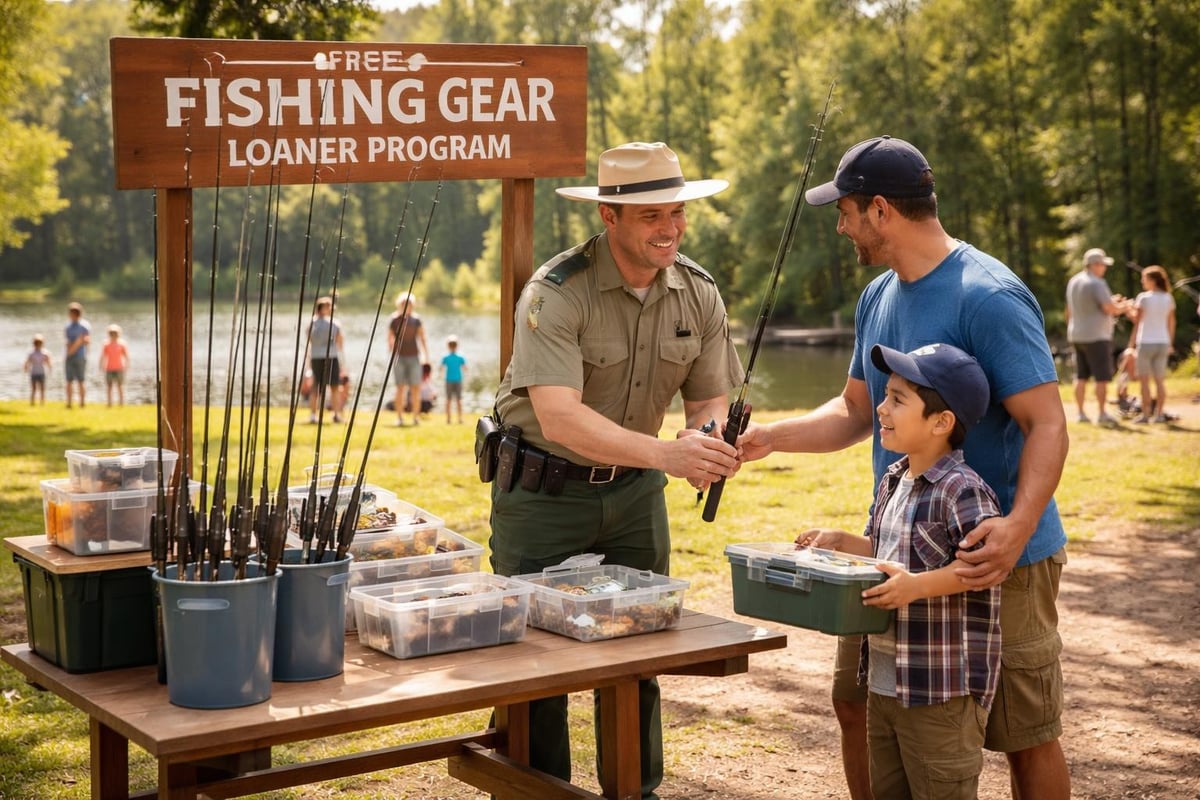
Different regions have developed unique approaches to providing free fishing equipment based on local fishing traditions, species availability, and community needs. Understanding these regional variations helps anglers identify the best resources in their area.
Texas has pioneered family-focused fishing access through its state parks system. The Free Fishing in State Parks program allows visitors to fish without purchasing licenses while providing loaner equipment at many park locations. This dual approach removes both regulatory and equipment barriers simultaneously.
Virginia maintains an extensive network through the Virginia Tackle Loaner Program, which enables individuals and organized groups to borrow fishing tackle without charge. This program particularly benefits youth groups, scout organizations, and family reunions seeking outdoor activities.
| State | Program Name | Primary Features | Target Audience |
|---|---|---|---|
| Texas | Free Fishing in State Parks | No license required, loaner gear | Families, beginners |
| Virginia | Tackle Loaner Program | Group borrowing available | Youth groups, families |
| Maryland | Tackle Loaner Program | Multiple locations statewide | All anglers |
| Pennsylvania | Fishing Tackle Loaner | Complete tackle kits | Beginners, visitors |
Local governments have increasingly recognized the value of supporting fishing activities through equipment lending programs. The Town of Carrboro Tackle Loaner Program partners with state wildlife agencies to provide residents with free fishing equipment, demonstrating how municipal governments can enhance recreational opportunities while promoting conservation education.
These community programs often include educational components that teach proper equipment use, fishing techniques, and conservation principles. This holistic approach ensures participants gain knowledge alongside access to gear.
Beyond government programs, numerous nonprofit organizations focus specifically on collecting, refurbishing, and distributing free fishing equipment to underserved populations and youth programs. These organizations often rely on donated gear from experienced anglers upgrading their equipment.
Fishing For Life's Reel 'Em In program collects donated fishing gear and distributes it to over 1,000 children and youth programs annually. This model turns unused equipment into opportunities for young people to discover fishing, creating the next generation of conservation-minded anglers.
The Fish Florida Fishing Equipment Donation Program takes a slightly different approach by supporting organizations teaching fishing and conservation. Rather than distributing directly to individuals, they ensure educational programs have adequate free fishing equipment to serve participants effectively.
Benefits of Donation-Based Programs:
Organizations like the Fishing Assist Foundation accept used fishing equipment donations, then refurbish and redistribute them to aspiring anglers. This circular economy model maximizes the useful life of fishing gear while making quality equipment accessible regardless of financial circumstances.
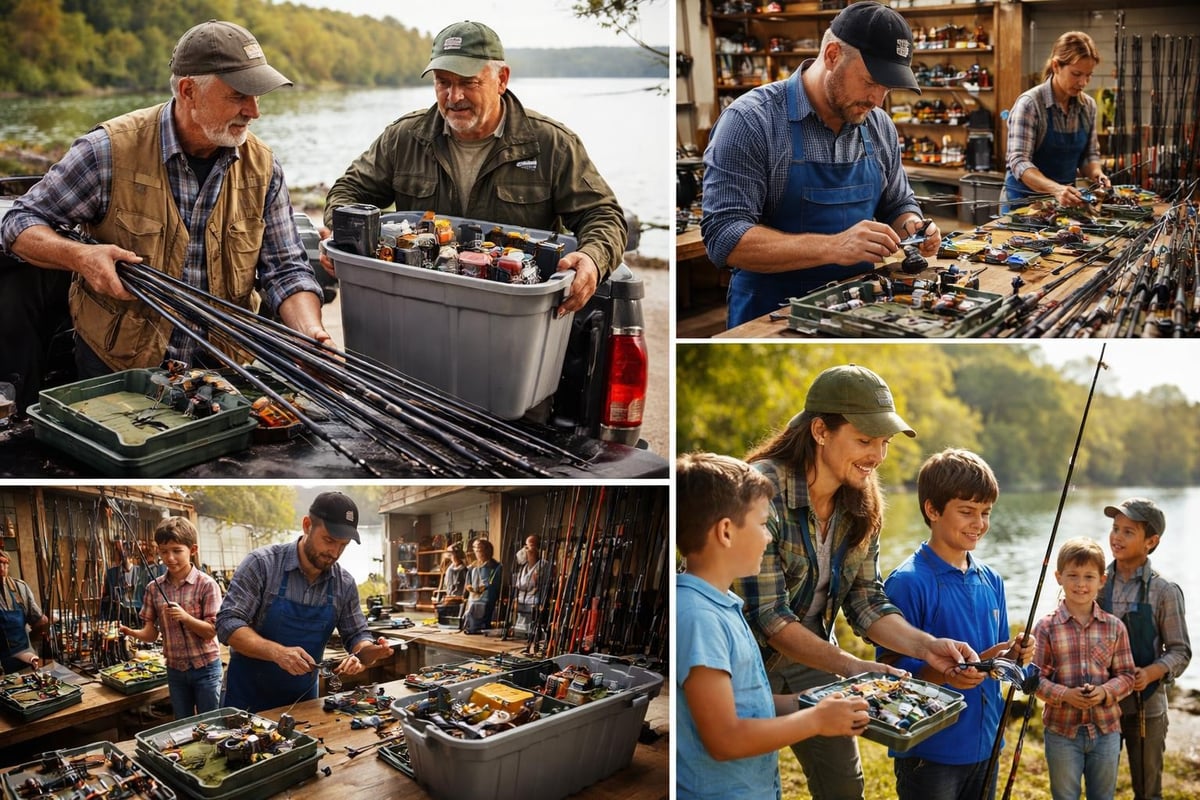
While most free fishing equipment programs focus on basic spin-casting gear suitable for general freshwater fishing, some organizations support more specialized fishing disciplines. These niche programs recognize that different fishing styles require distinct equipment and knowledge.
The Tri-Valley Fly Fishers in California accepts donations of new or gently used fly fishing equipment to support community programs. Fly fishing gear typically costs significantly more than conventional tackle, making donation programs particularly valuable for this fishing style.
Fly fishing programs often include mentorship components where experienced fly fishers teach techniques alongside providing equipment access. This knowledge transfer ensures participants can effectively use the specialized gear they receive.
While recreational fishing programs provide free fishing equipment to individuals, commercial fishing operations contribute to community welfare through different mechanisms. In regions like New Zealand and the Pacific Islands, commercial fishing equipment manufacturers play crucial roles in supporting both industry professionals and community fisheries.
Action Outdoors Limited, as New Zealand's largest fishing net manufacturer, exemplifies how commercial suppliers support fishing communities. Producing over 350,000 meters of ready-to-use fishing nets annually, such manufacturers enable commercial and community fisheries to access quality equipment efficiently.
Pacific Island nations depend heavily on fishing for both subsistence and economic activity. Access to reliable fishing equipment, including nets, ropes, and marine supplies, determines the viability of community fishing operations. Manufacturing companies focused on quality and quick turnaround times ensure these communities can maintain consistent fishing activities.
Essential Equipment for Community Fisheries:
The relationship between commercial manufacturers and community fisheries often extends beyond simple transactions. Technical support, equipment education, and ongoing service relationships help communities maximize their investment in fishing infrastructure.
Accessing free fishing equipment represents just the first step in a successful fishing journey. Understanding how to care for borrowed or donated gear, learning proper techniques, and respecting program guidelines ensures these valuable resources remain available for future participants.
Borrowed equipment requires careful handling to maintain availability for other users. Most tackle loaner programs ask participants to clean gear before returning it, inspect for damage, and report any issues encountered during use.
Best Practices for Borrowed Gear:
Organizations providing free fishing equipment to youth programs often include educational materials about gear maintenance. These lessons build responsibility while teaching practical skills applicable to many areas of life beyond fishing.
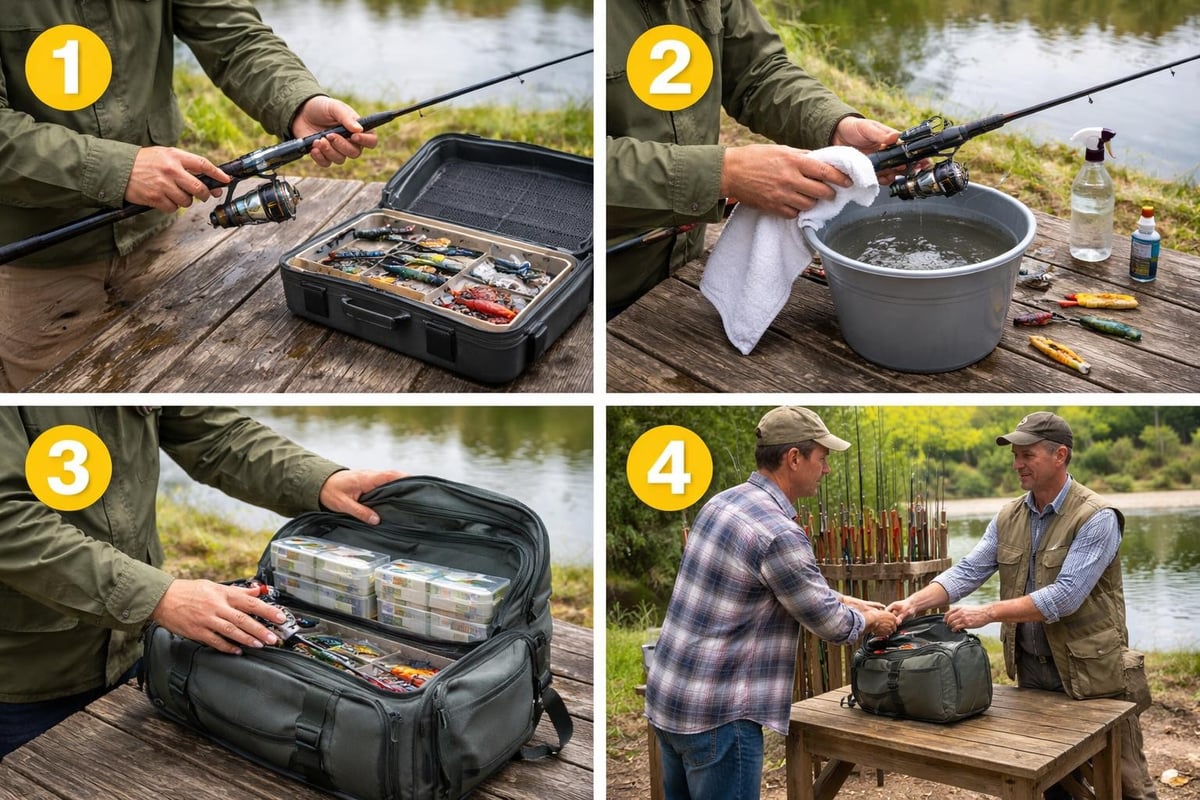
While free fishing equipment programs provide excellent entry points into the sport, many participants eventually choose to invest in their own gear as skills develop and commitment deepens. This natural progression supports both individual growth and the broader fishing industry.
As anglers gain experience through free fishing equipment programs, they develop preferences for specific rod actions, reel types, and tackle configurations. This knowledge enables informed purchasing decisions when ready to acquire personal gear.
Quality manufacturers recognize that today's program participants become tomorrow's equipment purchasers. Supporting access programs through donations or partnerships builds goodwill while introducing potential future customers to fishing.
| Experience Level | Typical Equipment Source | Investment Range | Priority Purchases |
|---|---|---|---|
| Complete Beginner | Loaner programs | $0 | None yet |
| Occasional Angler | Mix of borrowed/basic owned | $50-150 | Rod, reel combo |
| Regular Participant | Mostly owned equipment | $200-500 | Specialized tackle |
| Dedicated Angler | Full personal gear collection | $500+ | Quality nets, accessories |
Free fishing equipment programs serve purposes beyond simple gear provision. They function as conservation education tools, introducing participants to sustainable fishing practices, habitat protection, and species management principles.
Organizations like Take a Kid Fishing combine free fishing events with education about aquatic ecosystems. When children catch their first fish using borrowed equipment, they develop personal connections to waterways that often translate into lifelong conservation awareness.
This educational dimension distinguishes modern free fishing equipment programs from simple gear lending. Participants learn about:
Commercial fishing operations, including those producing nets and marine equipment for Pacific fisheries markets, increasingly emphasize sustainability in their manufacturing processes. This industry evolution reflects growing awareness that healthy fish populations benefit everyone from subsistence fishers to commercial operations.
Beyond formal programs, grassroots equipment sharing arrangements can expand access to fishing gear within communities. Fishing clubs, community centers, and informal groups often organize lending libraries or equipment swaps that provide free fishing equipment access without requiring government or nonprofit infrastructure.
Local fishing clubs frequently accumulate surplus equipment as members upgrade gear. Rather than storing unused items indefinitely, organizing donation drives creates opportunities for newer anglers while clearing storage space.
Steps to Launch Community Equipment Sharing:
Marine and fishing suppliers sometimes support these initiatives by donating marine equipment or offering discounted rates on replacement components. These partnerships benefit businesses through community goodwill while supporting fishing access.
While free fishing equipment provides valuable access, understanding quality differences helps users maximize their experience. Not all fishing gear performs equally, and recognizing these distinctions enables better decision-making whether borrowing, receiving donations, or eventually purchasing equipment.
Loaner programs typically stock entry-level equipment suitable for learning basic techniques. This approach makes sense economically and practically, as beginners rarely need specialized features found in premium gear.
However, donated equipment quality varies significantly depending on donor generosity and refurbishment standards. Organizations like Fishing For Life invest substantial effort ensuring distributed gear functions reliably, providing better experiences than simply passing along worn-out tackle.
Quality Indicators for Fishing Equipment:
Commercial fishing operations demand much higher equipment standards than recreational fishing. Manufacturers producing nets and gear for commercial fisheries must ensure products withstand intensive daily use in harsh saltwater environments. This durability requirement drives innovation that eventually benefits recreational users as technologies filter down to consumer markets.
Many free fishing equipment initiatives operate seasonally or around specific events rather than maintaining year-round availability. Understanding these patterns helps participants plan fishing activities to coincide with equipment access opportunities.
States often designate specific free fishing days where both licenses and equipment become available without charge. These events introduce fishing to large numbers of people simultaneously, creating festive atmospheres that reduce intimidation factor for newcomers.
Community fishing derbies, conservation celebrations, and waterfront festivals frequently include free fishing equipment as part of their programming. Event organizers partner with tackle manufacturers and retailers to provide gear while promoting their products to potential future customers.
Advantages of Event-Based Equipment Access:
These events complement ongoing loaner programs by reaching different audiences. Some people prefer trying fishing in festive group settings before committing to solo trips with borrowed equipment.
While this discussion has focused primarily on North American programs, fishing access challenges exist globally. Different regions address equipment barriers through varying approaches based on local fishing traditions, economic conditions, and governance structures.
In Pacific Island communities, fishing represents cultural heritage alongside economic necessity. Equipment access follows different patterns than recreational loaner programs, with community ownership and sharing arrangements often replacing individual gear possession.
New Zealand manufacturers supporting these communities through reliable fishing net production and marine supplies enable traditional fishing practices to continue despite economic pressures. Quick turnaround times and dependable service prove particularly valuable for island communities with limited local manufacturing capacity.
The distinction between recreational and subsistence fishing shapes how communities approach equipment access. While North American programs focus on introducing new participants to sport fishing, Pacific programs often support established fishing communities maintaining food security and cultural practices.
Free fishing equipment programs have dramatically expanded fishing access over the past two decades, removing financial barriers that once prevented many people from experiencing this rewarding outdoor activity. Whether through state tackle loaner programs, nonprofit donation networks, or community-based sharing initiatives, these resources enable individuals and families to discover fishing without significant upfront investment. For those ready to advance beyond borrowed gear, Action Outdoors Limited provides quality fishing nets, marine equipment, and supplies manufactured in New Zealand to professional standards, ensuring reliable performance for both recreational enthusiasts and commercial operations throughout the Pacific region.
Shop related products at Action Outdoors: Fishing Nets · Rope & Twine
Leave a comment