
Email

The fishing industry continues to evolve at a remarkable pace, with manufacturers worldwide developing innovative solutions that address the practical challenges faced by commercial and community fisheries. As we move through 2026, new fishing products are reshaping how professionals approach their work on the water, from enhanced net materials to smarter marine equipment. For operations across the Pacific, staying informed about these developments isn't just about keeping up with trends-it's about maintaining competitive advantage, improving efficiency, and ensuring sustainable practices. This comprehensive guide examines the most significant product innovations currently transforming the fishing industry, with particular focus on equipment that delivers measurable value for commercial operations.
The backbone of commercial fishing operations remains the fishing net, and recent innovations in manufacturing have produced remarkable improvements in durability, performance, and environmental impact. Modern net production now incorporates high-tenacity monofilament materials that resist UV degradation far better than traditional options, extending operational life by up to 40% in demanding Pacific conditions.
New fishing products in the net category feature enhanced knot strength and reduced drag coefficients, which translate directly to fuel savings for commercial vessels. Manufacturers are also developing biodegradable net materials that maintain full strength during their working life but break down naturally if lost at sea, addressing a critical environmental concern.
Recent advances in polymer chemistry have enabled net manufacturers to create fibers with previously unattainable characteristics:
Action Outdoors Limited has integrated several of these technologies into their production processes, ensuring that New Zealand-made fishing nets meet the demanding requirements of Pacific Island fisheries while maintaining quick turnaround times.
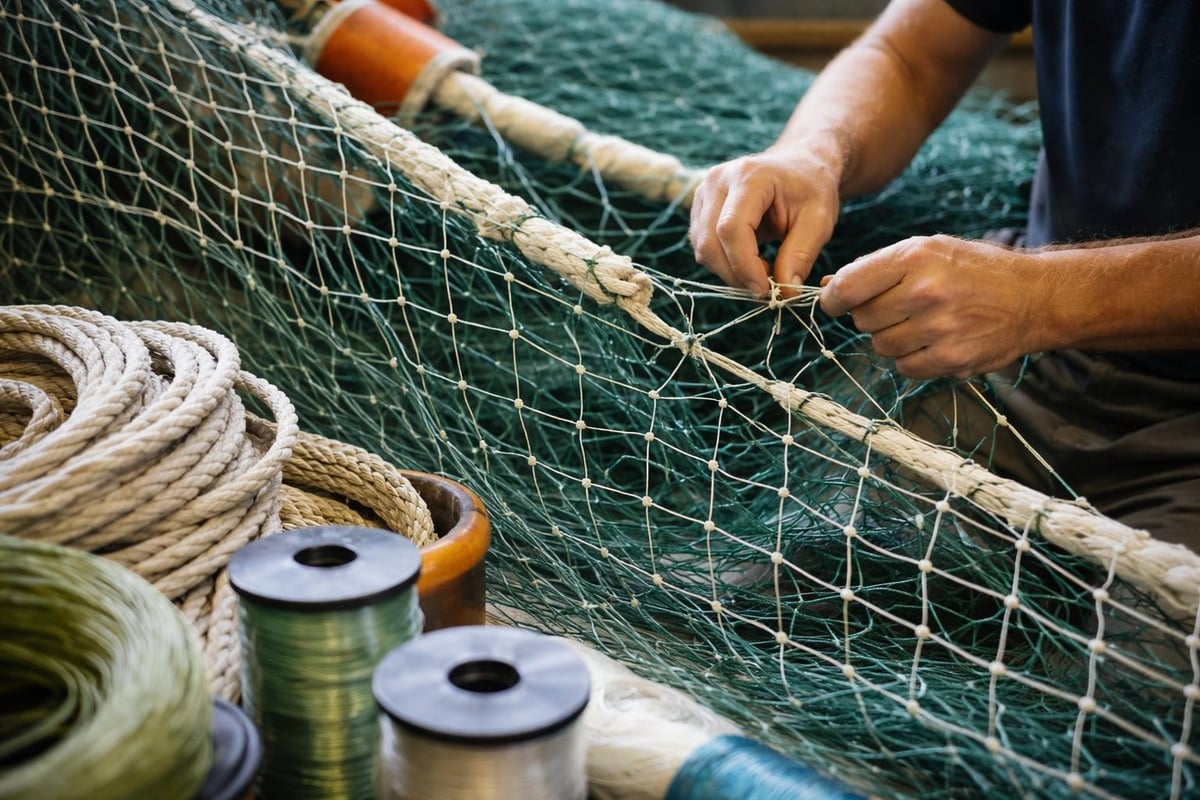
The seemingly simple fishing float has undergone significant evolution, with new fishing products in this category incorporating smart materials and design refinements that dramatically improve net performance. Modern float systems now feature dual-density construction that provides consistent buoyancy across varying temperature ranges and depth pressures.
| Feature | Traditional Floats | 2026 Innovations |
|---|---|---|
| Buoyancy Consistency | ±15% variation | ±3% variation |
| UV Resistance | 2-3 years | 7-10 years |
| Impact Resistance | Moderate | High-impact polymer |
| Weight-to-Buoyancy Ratio | 1:4 | 1:7 |
| Environmental Impact | Non-degradable | Recyclable materials |
One particularly valuable innovation involves color-coded float systems that enable fishers to quickly identify different net sections, depth markers, or mesh sizes from a distance. This seemingly simple improvement reduces sorting time and minimizes handling errors during deployment and retrieval.
Integrated float systems now also incorporate attachment points designed specifically for modern rope materials, reducing chafe and extending the life of both floats and lines. Several innovative fishing equipment suppliers are now offering complete float kits with pre-measured spacing for various net configurations.
Commercial fishing operations depend heavily on reliable rope systems, and recent product innovations have focused on enhancing strength, reducing stretch, and improving handling characteristics. New fishing products in the rope category feature hybrid constructions that combine the best properties of natural and synthetic fibers.
Modern fishing ropes now incorporate:
The introduction of high-strength rope options in manila, nylon, and polyester has given commercial operators more choices to match specific operational requirements. These materials now feature treatments that resist saltwater degradation and maintain flexibility even after extended use.
Beyond nets and lines, new fishing products increasingly focus on the integrated marine equipment that supports commercial operations. GPS-enabled float markers, for example, now allow operators to track net locations in real-time, reducing loss and improving safety. These devices feature multi-year battery life and can withstand the harsh marine environment.
Innovative storage systems have emerged as critical components of efficient fishing operations:
The comprehensive marine equipment catalogue now includes these specialized storage solutions alongside traditional marine supplies, recognizing that proper equipment care directly impacts operational efficiency.
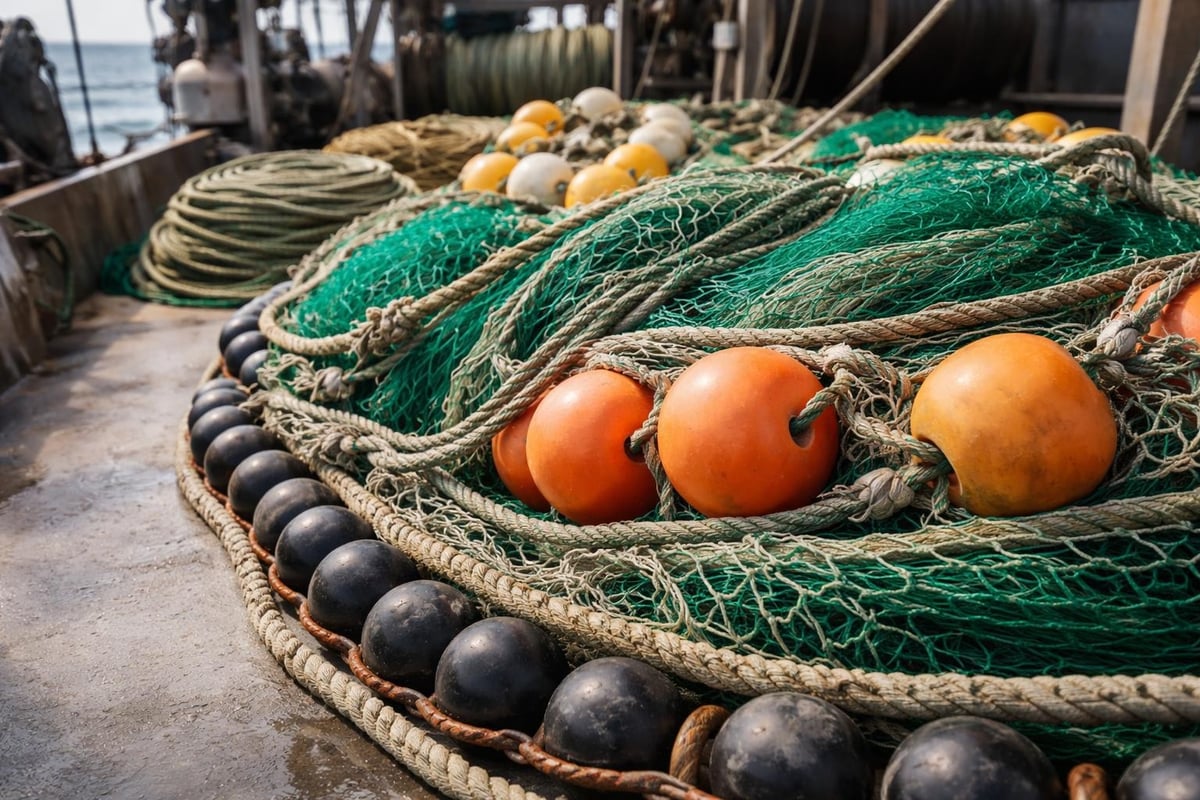
The fishing industry's commitment to innovation receives formal recognition through programs like the ICAST New Product Showcase, which highlights innovative fishing products across multiple categories. While much attention focuses on recreational fishing gear, the commercial sector benefits from similar technological advances adapted to industrial scale.
Professional publications regularly feature roundups of new fishing gear from industry events, providing valuable insights into emerging trends and proven innovations. These resources help commercial operators identify equipment worth evaluating for their specific applications.
Commercial fishing operations require robust lifting equipment, and recent new fishing products in this category emphasize safety factors and material longevity. Modern fishing slings now feature:
| Component | Enhancement | Benefit |
|---|---|---|
| Webbing Material | High-tenacity polyester | 3x abrasion resistance |
| Stitching | UV-resistant bonded thread | Extended service life |
| Hardware | Marine-grade stainless steel | Corrosion resistance |
| Load Indicators | Integrated wear markers | Safety monitoring |
These improvements directly address the demanding conditions faced by commercial fisheries throughout the Pacific region, where equipment must withstand constant exposure to saltwater, UV radiation, and mechanical stress. The focus on New Zealand-made quality ensures that products meet rigorous standards before reaching export markets.
The diversity of fishing applications has driven development of specialized net configurations among new fishing products. From whitebait nets with ultra-fine mesh to heavy-duty commercial trawl nets, manufacturers now offer precisely engineered solutions for specific target species and fishing methods.
Understanding bottom fishing gear requirements helps operators select appropriate net configurations, while innovations in float fishing kits provide complete solutions for different fishing approaches.
Recent developments in mesh manufacturing allow for more precise mesh sizing and improved consistency:
The ability to produce over 350,000 meters of ready-to-use fishing nets annually requires sophisticated manufacturing capabilities that ensure consistent quality across large production runs.
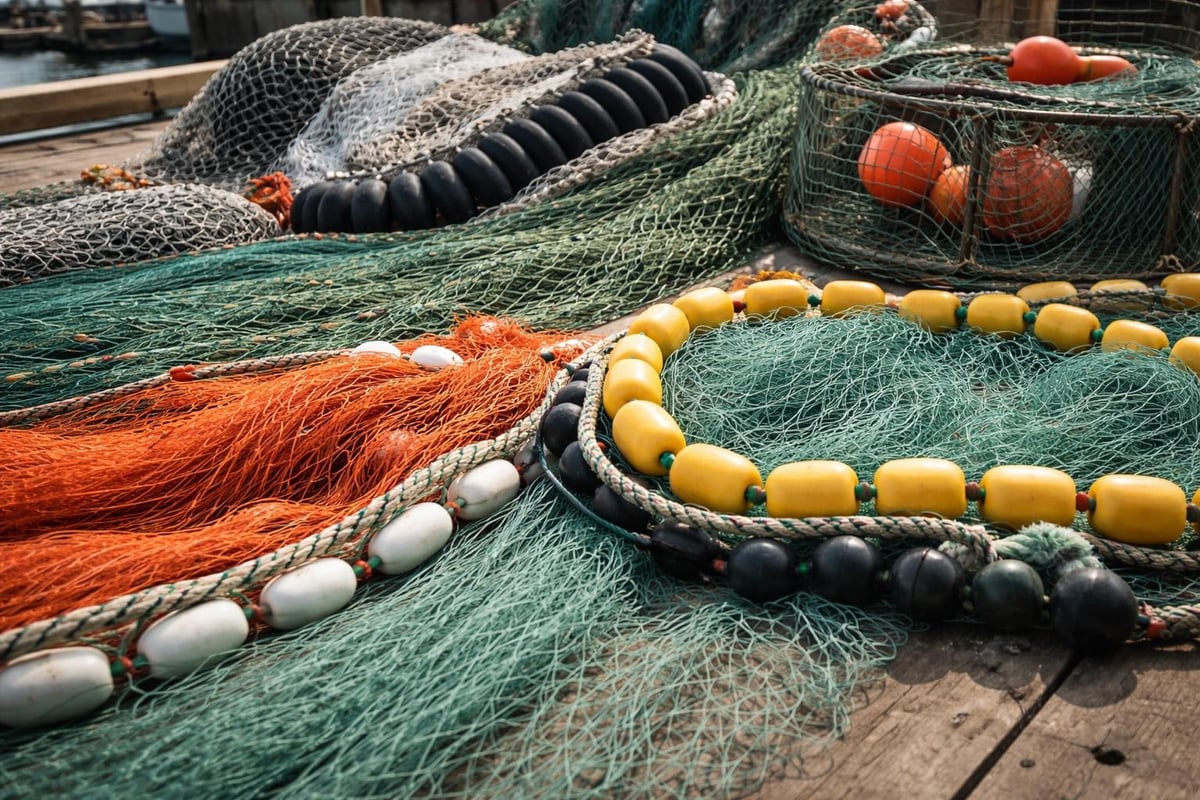
Environmental responsibility has become a driving force behind new fishing products, with manufacturers increasingly focused on reducing ecological impact. Biodegradable net materials, recyclable float systems, and reduced-bycatch net designs represent significant progress toward sustainable fishing practices.
Industry publications like Woods N Water News regularly cover sustainable fishing innovations, highlighting products that balance operational effectiveness with environmental stewardship. This focus aligns with growing regulatory requirements and market preferences across Pacific Island nations.
Among the most valuable new fishing products are those designed specifically to extend equipment life and reduce maintenance requirements. Net repair kits now include UV-resistant twine that matches the strength characteristics of modern net materials, while specialized cleaning solutions remove biofouling without degrading synthetic fibers.
Proper maintenance directly impacts operational costs and equipment reliability. Resources covering exciting fishing innovations often emphasize maintenance best practices alongside product features, recognizing that even the best equipment requires proper care.
Commercial fishing operations face unique challenges that recreational products don't address. New fishing products designed for commercial applications must deliver:
The distinction between commercial and recreational products becomes particularly important when evaluating innovations showcased at industry events. While fly fishing gear innovations receive significant attention, commercial operators benefit most from products specifically engineered for their operational scale.
Pacific Island fisheries operate in unique conditions that demand equipment specifically adapted to tropical marine environments, coral reef fisheries, and specific target species. New fishing products developed with these conditions in mind offer distinct advantages over generic solutions designed for temperate waters.
Equipment ready for export to Pacific Island markets must meet several criteria:
The focus on Pacific Island markets requires manufacturers to understand regional fishing practices and environmental conditions, ensuring that products deliver value in their intended applications.
Successful adoption of new fishing products requires compatibility with existing equipment and operational procedures. Commercial operators cannot afford extended downtime while crews learn unfamiliar systems or adapt infrastructure to accommodate incompatible equipment.
The most successful innovations among new fishing products are those that enhance current operations without requiring complete system overhauls:
This pragmatic approach to innovation ensures that commercial operators can adopt beneficial technologies without disrupting established workflows or requiring extensive retraining.
Commercial fishing equipment must meet rigorous performance standards, and new fishing products increasingly undergo extensive testing before market release. Modern quality assurance protocols include:
These protocols ensure that products deliver advertised performance characteristics and justify their cost through reliable service life. The commitment to New Zealand-made quality incorporates these testing standards throughout the manufacturing process.
The trajectory of new fishing products suggests continued focus on several key areas: smart materials with embedded sensors, further improvements in environmental sustainability, and enhanced integration between different equipment systems. Emerging technologies like IoT-enabled fleet management and AI-assisted fishing pattern analysis may eventually integrate with physical equipment to create comprehensive fishing operation systems.
However, the fundamental requirements of commercial fishing remain constant: reliable equipment that performs consistently under demanding conditions, reasonable cost structures that support profitable operations, and durability that minimizes replacement frequency. Successful innovations will be those that address these core needs while incorporating beneficial technological advances.
Industry resources like Fishing The Midwest's gear previews and manufacturer catalogues provide ongoing updates about product developments, helping commercial operators stay informed about options worth evaluating. The pace of innovation shows no signs of slowing, with manufacturers continuing to invest in research and development that addresses real operational challenges.
When assessing new fishing products for commercial operations, practical evaluation criteria should include:
These criteria help operators distinguish between genuinely beneficial innovations and products offering marginal improvements at disproportionate cost. The commercial fishing industry has limited tolerance for equipment that doesn't deliver measurable value, making practical performance the ultimate test of any new product.
For operations across the Pacific, supply chain reliability represents a critical consideration when adopting new fishing products. Equipment must be readily available when needed, with dependable delivery times and accessible distribution networks. Manufacturers serving this market must maintain adequate inventory levels and efficient logistics systems.
The combination of local manufacturing capability and export readiness provides commercial operations with confidence that equipment will be available when needed, without extended lead times that could impact fishing schedules. This reliability becomes particularly important for community fisheries and smaller commercial operations with limited equipment redundancy.
The continuous evolution of fishing equipment and marine supplies reflects the industry's commitment to improving operational efficiency, sustainability, and safety. From advanced net materials to integrated marine systems, new fishing products for 2026 offer commercial operations tangible benefits that justify investment through extended service life, reduced operational costs, and enhanced performance. Whether you're operating community fisheries or large commercial vessels across the Pacific, having access to quality equipment with dependable supply chains makes the difference between successful and challenging seasons. Action Outdoors Limited manufactures and supplies the complete range of fishing nets, marine equipment, and specialized gear that commercial operations depend on, backed by New Zealand quality standards and efficient export capabilities to Pacific Island markets.
Shop related products at Action Outdoors: Fishing Nets · Fishing Line · Rope & Twine
Leave a comment