
Email

The fishing industry continues to evolve with new technologies and improved materials, yet certain categories of equipment remain consistently essential across commercial and recreational applications. Understanding what constitutes popular fishing gear helps anglers, fisheries, and marine operations make informed decisions about their equipment investments. Whether you're outfitting a commercial fishing operation or planning weekend fishing trips, the right equipment ensures safety, efficiency, and success on the water.
Commercial fishing operations depend on high-quality netting as their primary tool for harvest. The most popular fishing gear in this category includes gill nets, purse seines, trawl nets, and specialized designs for specific target species.
Different fishing methods require distinct netting configurations. Gill nets work by entangling fish in mesh panels, making them ideal for targeting specific size ranges. Purse seines encircle schools of fish and draw closed at the bottom, perfect for pelagic species. Trawl nets drag behind vessels, sweeping through water columns or along the seafloor.
| Net Type | Primary Use | Mesh Size Range | Typical Materials |
|---|---|---|---|
| Gill Nets | Species-specific targeting | 2-12 inches | Nylon monofilament |
| Purse Seines | School fish capture | 1-4 inches | Twisted nylon |
| Trawl Nets | Bottom/midwater sweeping | 2-6 inches | Polyethylene/nylon |
| Cast Nets | Small-scale fishing | 0.5-2 inches | Monofilament |
New Zealand-made fishing nets have gained recognition for their durability and precision manufacturing. Fishing nets designed for Pacific Island markets must withstand harsh marine conditions while maintaining optimal mesh integrity throughout extended deployments.
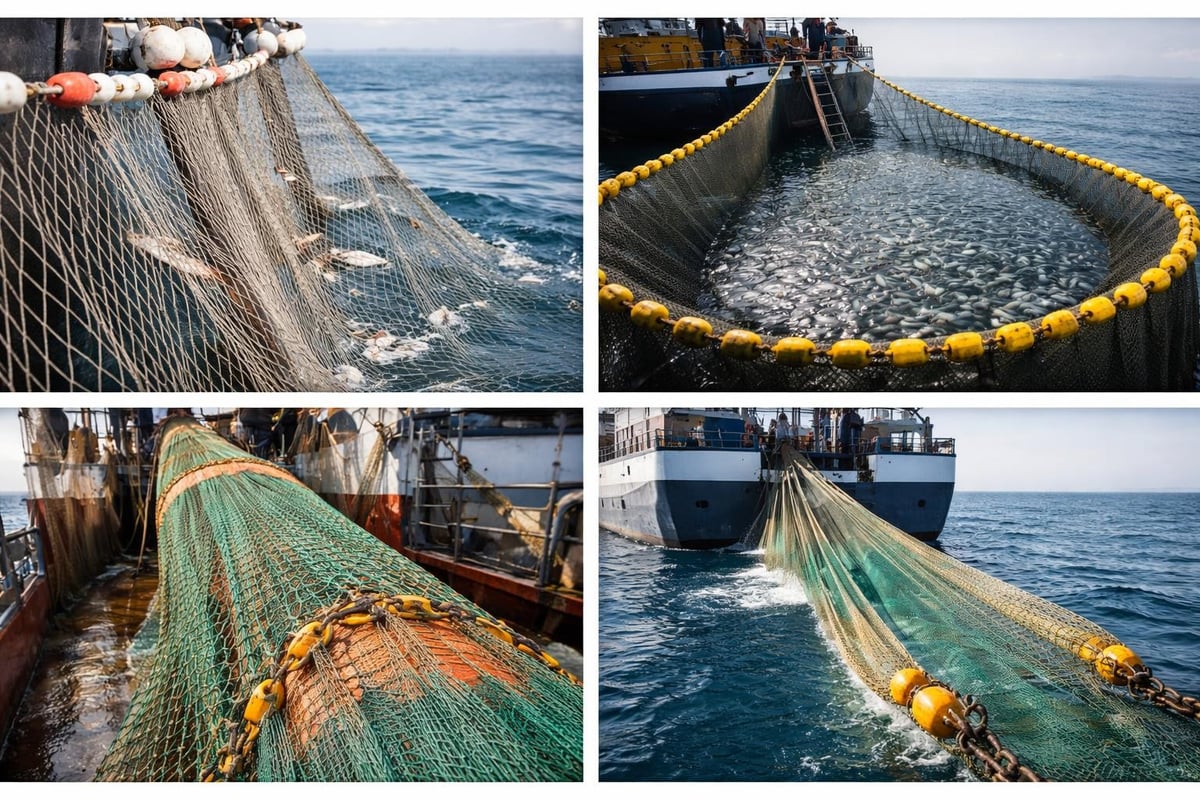
Maintaining netting equipment represents a crucial aspect of commercial fishing economics. Popular fishing gear for repairs includes specialized twines, needles, and preservation treatments that extend net lifespan.
Green repair twine has become an industry standard for mending damaged sections. This durable material resists UV degradation and maintains strength in saltwater environments. Learning essential repair techniques can significantly reduce operational costs by keeping nets in service longer.
Proper mesh sizing affects both catch efficiency and regulatory compliance. Understanding mesh specifications like 2-12 inch configurations helps operations select appropriate equipment for their target species while meeting conservation requirements.
Rope systems form the backbone of marine operations, connecting vessels to nets, anchors, and various fishing apparatus. The most popular fishing gear in this category includes manila, nylon, and polyester ropes, each offering distinct advantages for specific applications.
Manila rope provides excellent grip and traditional handling characteristics that many commercial operators prefer. Its natural fibers offer good shock absorption and work well in sheave systems. However, synthetic alternatives have gained popularity due to superior strength-to-weight ratios and resistance to rot.
Key advantages of synthetic ropes:
Nylon ropes excel in applications requiring elasticity, such as mooring and towing. Polyester ropes offer low stretch characteristics ideal for precise positioning and depth control. High-strength rope options meet diverse needs across fishing, marine, and industrial applications.
Modern fishing operations utilize sophisticated rigging systems incorporating swivels, shackles, floats, and weights. These components work together to position nets properly, prevent line twist, and maintain desired deployment configurations.
Swivels prevent line twist during net retrieval, extending rope life and reducing tangles. Quality swivels feature corrosion-resistant materials and smooth bearing surfaces that function reliably under load. Lead weights and foam floats create vertical net openings that maximize effective fishing area.
The recreational fishing market continues expanding with innovative products that enhance the angling experience. According to Popular Mechanics' overview of top fishing gear, modern anglers benefit from advances in rod materials, reel engineering, and electronic fish-finding technology.
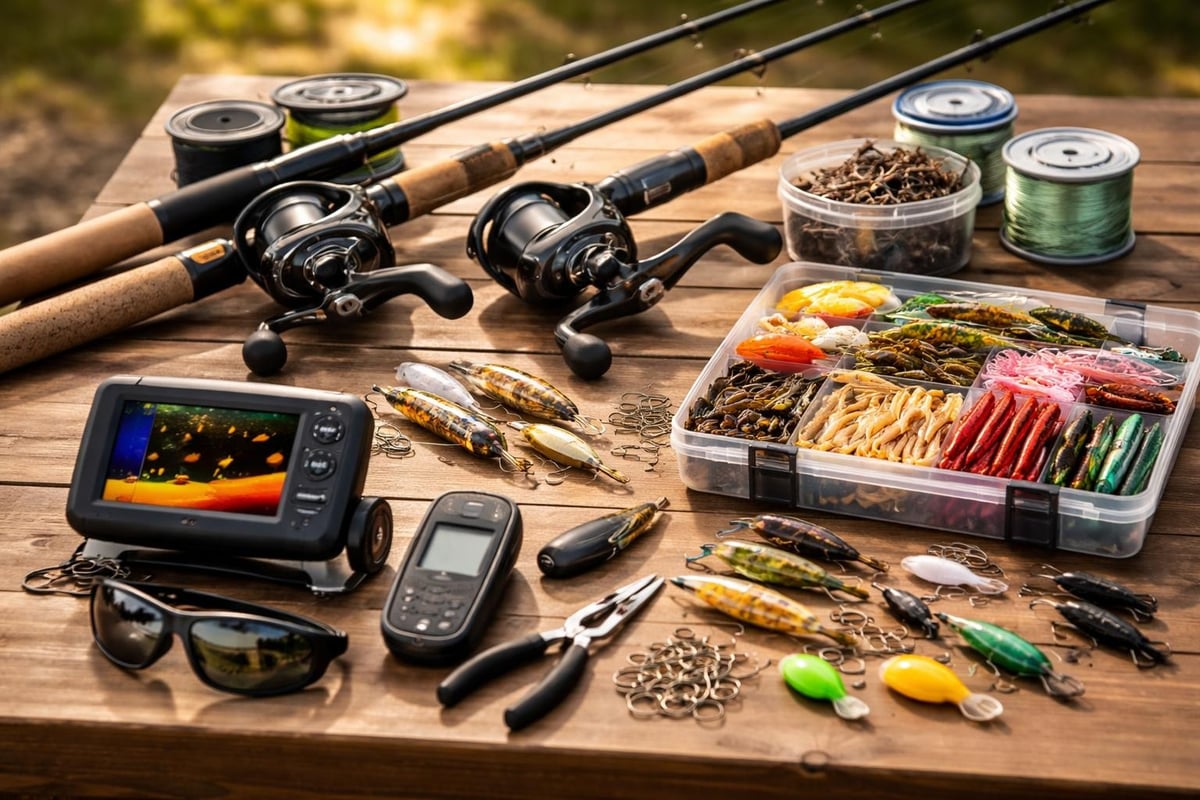
Rod selection depends on target species, fishing environment, and casting techniques. Graphite composite rods offer sensitivity for detecting subtle bites while maintaining strength for hook sets. Fiberglass rods provide durability and flexibility preferred for certain applications.
Spinning reels dominate the popular fishing gear market for their versatility and ease of use. Baitcasting reels appeal to experienced anglers seeking precise lure placement. Conventional reels handle heavy-duty applications including deep-sea fishing and battling large game fish.
Matching equipment to fishing scenarios:
Technology integration has revolutionized recreational fishing success rates. Modern fish finders use sonar to display underwater structures, fish locations, and bottom composition. GPS systems enable anglers to mark productive spots and navigate safely.
Tackle Warehouse's guide to the best fishing gear highlights award-winning electronics that combine multiple functions in user-friendly interfaces. These systems provide real-time data that informs lure selection, depth adjustments, and boat positioning.
Safety equipment represents non-negotiable popular fishing gear for both commercial and recreational applications. Regulatory requirements mandate specific safety items, while practical considerations dictate additional equipment for emergency preparedness.
Personal flotation devices (PFDs) top every safety equipment list. Modern designs balance comfort with buoyancy, encouraging consistent use. Type I PFDs provide maximum flotation for offshore conditions, while Type III designs suit most inshore and recreational applications.
Communication equipment ensures vessels can summon assistance when needed. VHF radios provide reliable marine-band communication, while Emergency Position Indicating Radio Beacons (EPIRBs) transmit distress signals with precise location data to rescue coordination centers.
| Safety Item | Purpose | Regulatory Status | Replacement Cycle |
|---|---|---|---|
| PFDs | Flotation support | Mandatory | 5-10 years |
| VHF Radio | Communication | Required for commercial | As needed |
| Fire Extinguishers | Fire suppression | Mandatory | Annual inspection |
| Flares | Visual distress signals | Required offshore | 42 months |
| First Aid Kit | Medical response | Strongly recommended | Annual restocking |
Proper anchoring prevents vessel drift and enables stationary fishing techniques. Popular fishing gear in this category includes various anchor designs matched to bottom conditions and vessel sizes.
Danforth anchors excel in sand and mud bottoms, while plow anchors work well across mixed substrates. Mushroom anchors suit permanent mooring applications. Anchor rode combines chain and rope to provide proper scope ratios that ensure holding power.
Marine equipment and boating gear encompasses comprehensive solutions for vessel outfitting, from basic safety items to specialized commercial fishing apparatus.
Effective fishing requires matching bait or lures to target species behavior and environmental conditions. The most popular fishing gear in this category reflects proven designs that consistently produce results across diverse situations.
Live bait remains highly effective for many species due to natural scent and movement patterns. Baitfish, worms, and crustaceans each attract specific predators. According to In-Fisherman's coverage of new fishing gear, innovations in live bait coolers and aeration systems extend bait viability during fishing trips.
Proper bait storage maintains health and activity levels. Insulated containers with battery-powered aerators keep water temperatures stable and oxygen levels adequate. Some systems incorporate filtration to remove waste products that stress bait organisms.
Keys to effective live bait management:
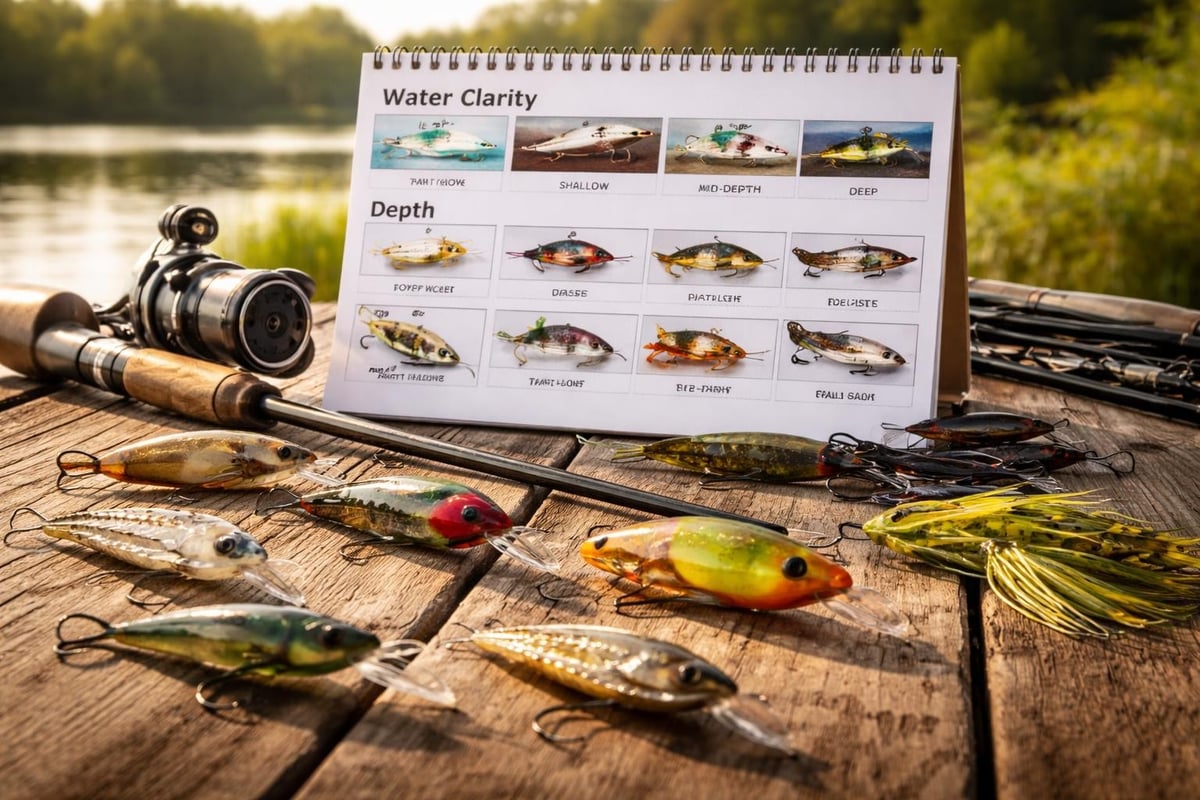
Artificial lures simulate prey items through appearance, movement, or vibration. Crankbaits dive to specific depths while producing swimming actions. Soft plastics offer versatility in rigging and presentation styles. Spoons and spinners create flash and vibration that trigger predatory responses.
Topwater lures generate explosive surface strikes during low-light periods. Jigs work effectively across the water column from surface to bottom. Fly patterns imitate specific insects, baitfish, or crustaceans depending on target species and conditions.
Color selection considers water clarity, light levels, and prey species present. Natural colors excel in clear water, while bright or contrasting patterns increase visibility in stained conditions. Matching local forage species improves success rates in pressured waters.
The fishing industry continues adopting new technologies that improve efficiency, sustainability, and catch quality. Exploring fishing innovations for 2026 reveals trends toward smart equipment, eco-friendly materials, and data-driven fishing strategies.
Connected devices now share data between components, creating integrated fishing systems. Smartphone apps link to fish finders, providing enhanced mapping and catch logging. Some manufacturers offer lure presentations that anglers can control via wireless connections, adjusting vibration patterns and retrieve speeds remotely.
Battery technology improvements enable longer operating times for electric trolling motors and electronic accessories. Lithium batteries offer superior energy density compared to traditional lead-acid options, reducing weight while extending runtime.
Environmental consciousness drives demand for sustainable fishing equipment. Biodegradable fishing lines reduce persistent marine pollution. Circle hooks decrease deep hooking incidents, improving catch-and-release survival rates.
Selective fishing gear designs minimize bycatch through species-specific characteristics. Turtle excluder devices in trawl nets, acoustic deterrents for marine mammals, and escape panels for undersized fish all contribute to more sustainable fishing practices.
Different fishing techniques require specialized popular fishing gear designed for specific applications. Understanding these distinctions helps operations select appropriate equipment.
Fly fishing demands specialized equipment built around casting weighted lines rather than lures. Fly fishing gear from established manufacturers includes rods rated by line weight, corresponding reels with smooth drag systems, and floating or sinking lines matched to target depths.
Understanding fly fishing tackle components reveals the intricate relationship between rod action, line weight, and leader construction. Successful fly anglers match these elements to achieve proper presentations in varying conditions.
Ice fishing requires portable equipment suited for frozen lake environments. Short, sensitive rods detect light bites through ice holes. Tip-ups enable monitoring multiple lines simultaneously. Ice augers create fishing holes, with power augers increasing efficiency for serious ice anglers.
Shelter systems protect anglers from harsh winter conditions. Portable flip-over shelters combine transportation convenience with weather protection. Permanent ice houses offer comfort for extended sessions but require transportation via trailer systems.
Proper care extends equipment lifespan and maintains performance characteristics. Popular fishing gear requires regular maintenance adapted to specific materials and usage intensity.
Saltwater environments accelerate corrosion on metal components. Rinsing equipment with freshwater after each use removes salt deposits. Protective coatings create barriers against oxidation. Stainless steel and anodized aluminum offer inherent corrosion resistance but still benefit from regular maintenance.
Rod guides accumulate dirt and salt that can damage fishing line. Careful cleaning with soft brushes prevents scratches while removing debris. Reel mechanisms require periodic lubrication with marine-grade greases and oils formulated for fishing applications.
Seasonal maintenance checklist:
Equipment storage affects longevity and reliability. Rods stored vertically avoid developing permanent bends. Reels benefit from loosened drag systems during storage, preventing spring compression. Nets should hang freely to maintain shape and allow complete drying.
Climate-controlled storage prevents extreme temperature fluctuations that degrade materials. UV exposure fades colors and weakens synthetic fibers. Dark, dry storage areas preserve equipment condition between fishing seasons.
Must-have fishing equipment for 2026 includes items designed with improved storage features and durability characteristics that address common maintenance challenges.
Successful fishing operations require integrated equipment systems rather than individual components. Building cohesive setups ensures compatibility and optimizes performance across all popular fishing gear categories.
Commercial operations balance equipment investments against expected returns. Net selection considers target species, fishing grounds, and vessel capabilities. Supporting equipment including ropes, floats, and weights must match net specifications and deployment methods.
Processing and storage equipment handles catch from retrieval through market delivery. Ice systems, refrigeration, and packaging materials maintain product quality. Many operations benefit from comprehensive fishing and marine supply sources that understand commercial requirements and provide coordinated solutions.
Recreational anglers typically build equipment collections gradually, adding specialized items as skills develop. Beginning with versatile combinations enables participation across various fishing situations. Advanced anglers accumulate technique-specific equipment optimized for particular presentations or species.
Rod and reel combinations matched to primary fishing situations form the foundation. Tackle selection expands to include diverse lures, rigs, and terminal tackle suited for different conditions. Electronics, safety equipment, and comfort items round out complete fishing systems that support enjoyable, successful outings.
Selecting the right fishing equipment requires understanding how different components work together to achieve specific fishing objectives. Whether outfitting commercial operations or recreational pursuits, quality equipment from reliable sources ensures consistent performance and long-term value. As New Zealand's largest fishing net manufacturer, Action Outdoors Limited provides comprehensive fishing and marine equipment solutions backed by local manufacturing expertise and deep understanding of Pacific fishery needs. Explore their extensive catalogue of nets, ropes, marine equipment, and fishing supplies designed for demanding commercial and recreational applications.
Shop related products at Action Outdoors: Fishing Nets · Marine Electronics · Fishing Lures
Leave a comment