
Email

The sport fishing industry continues to evolve rapidly in 2026, with retail shops facing both unprecedented challenges and exciting opportunities. Whether you're considering opening a sport fishing shop, expanding an existing operation, or simply wanting to understand the market dynamics, knowing what drives success in this specialized retail sector is essential. From understanding angler purchasing patterns to selecting the right inventory mix, modern sport fishing shops must navigate a complex landscape of consumer expectations, technological advances, and market pressures. This comprehensive guide explores the essential elements that define successful sport fishing retail operations in today's competitive environment.
The retail environment for fishing equipment has transformed dramatically over the past few years. A sport fishing shop today must balance traditional brick-and-mortar expertise with digital engagement strategies that meet anglers where they spend their time. Recent data shows that recreational fishing and boating sales face challenging conditions in 2026, with economic pressures affecting consumer spending patterns.
Despite these challenges, the global opportunity remains substantial. The sports fishing equipment market represents a significant economic sector, with projections indicating strong growth potential for well-positioned retailers.
Understanding market forces helps sport fishing shop owners make informed decisions about inventory, pricing, and customer service strategies. The following factors shape today's retail environment:
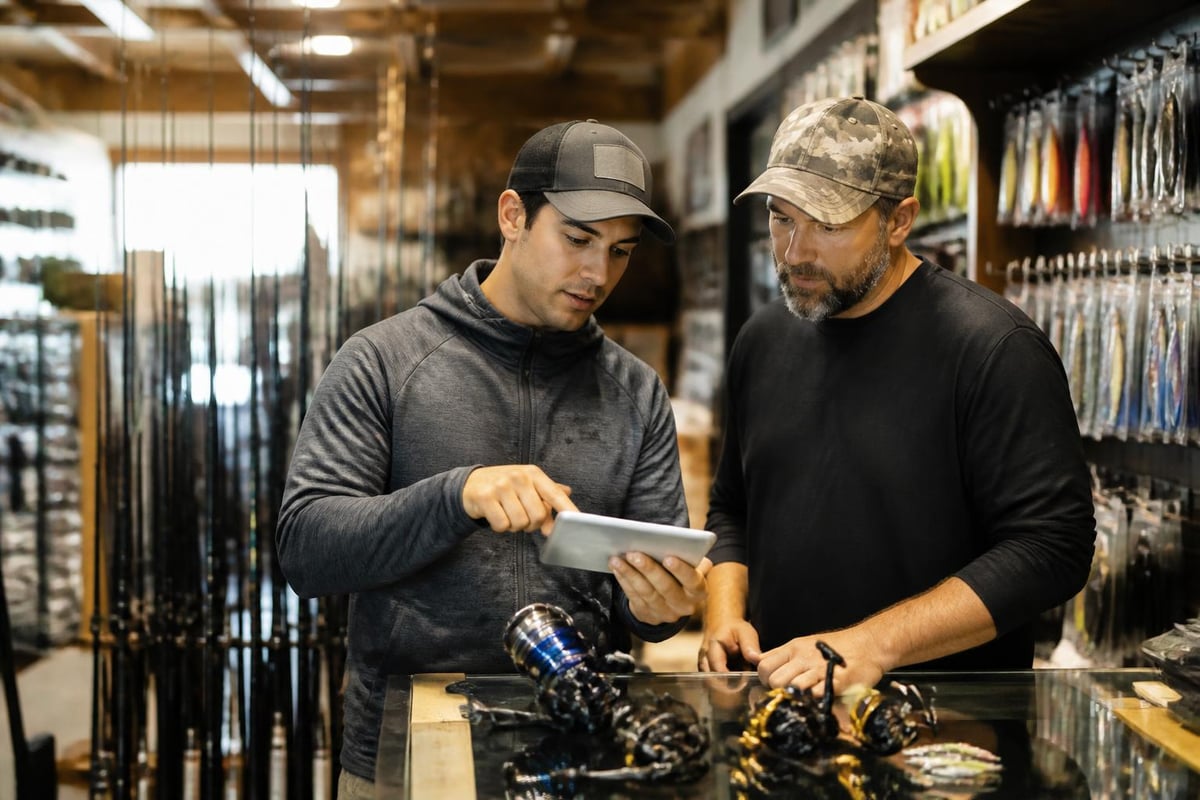
Research indicates that anglers increasingly value expertise and personalized service when making purchasing decisions. A successful sport fishing shop combines knowledgeable staff with carefully curated inventory that reflects local fishing conditions and target species.
Selecting the right product mix determines whether a sport fishing shop thrives or struggles. While every location has unique requirements, certain core categories form the foundation of successful fishing retail operations.
Commercial and recreational fishermen require reliable netting solutions for various applications. This category includes:
Understanding fishing net sizes helps retailers guide customers toward appropriate solutions for their fishing methods. Quality net manufacturers provide consistent mesh specifications and durable construction that withstand harsh marine environments.
The backbone of any sport fishing shop inventory, tackle selection requires constant attention to trends and innovations:
| Category | Key Considerations | Inventory Depth |
|---|---|---|
| Hooks | Size range, strength ratings, corrosion resistance | High |
| Lures | Local species preferences, seasonal variations | Medium-High |
| Lines | Breaking strength, visibility, abrasion resistance | High |
| Weights | Trolling applications, bottom fishing, drift fishing | Medium |
Professional-grade downrigger and trolling weights represent an important category for anglers pursuing pelagic species. These specialized items often carry higher margins while serving dedicated customer segments.
This premium category drives significant revenue for most sport fishing shops. Successful retailers maintain:
Staff expertise in matching equipment to customer needs builds loyalty and encourages repeat business. Regular training on new products and technologies keeps teams prepared to serve diverse customer requirements.
Understanding how modern anglers shop and make buying decisions separates thriving sport fishing shops from struggling competitors. Recent insights reveal that today's anglers shop, spend, and engage with brands differently than previous generations, with digital media playing an increasingly central role in the purchase journey.
Successful sport fishing shops recognize that customers expect seamless experiences across multiple touchpoints:
Creating cohesive experiences across these channels requires intentional strategy and consistent messaging. Sport fishing shops that excel at omnichannel retail often see higher customer lifetime values and stronger brand loyalty.
Economic conditions influence how anglers allocate their fishing budgets. A well-managed sport fishing shop addresses various price points:
Budget-Conscious Shoppers: Focus on essential functionality and durability rather than premium features. These customers appreciate honest guidance about which features matter most for their fishing style.
Value-Oriented Buyers: Seek optimal performance-to-price ratios. They research extensively and respond well to detailed product knowledge and comparison assistance.
Premium Customers: Prioritize quality, innovation, and brand reputation. These anglers often become brand ambassadors when they receive exceptional service and expertise.
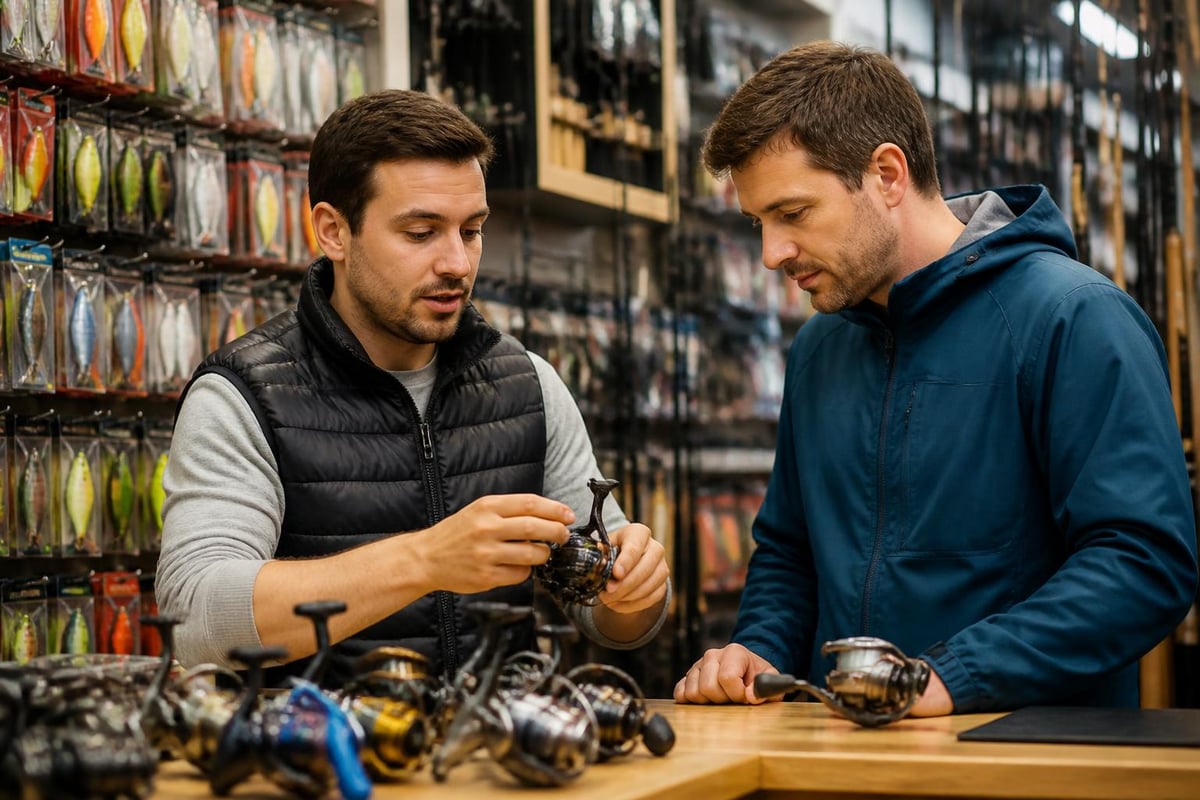
Standing out in a crowded marketplace requires differentiation strategies that resonate with target customers. The most successful sport fishing shop operations develop clear competitive advantages.
Product knowledge separates average sport fishing shops from exceptional ones. Staff training should cover:
Investing in team development pays dividends through improved customer satisfaction and higher conversion rates. Consider hosting regular training sessions with manufacturer representatives and experienced local anglers.
A sport fishing shop functions best as a community hub rather than just a retail location. Effective community engagement includes:
These initiatives build emotional connections that transcend transactional relationships. Customers become advocates who recommend the sport fishing shop to friends, family, and online communities.
Balancing stock levels with seasonal demand patterns challenges every sport fishing shop. Effective inventory strategies include:
| Season | Focus Categories | Stocking Levels |
|---|---|---|
| Spring | Freshwater tackle, light rods, spawning lures | High |
| Summer | Offshore gear, trolling equipment, live bait supplies | Maximum |
| Fall | Transition tackle, migratory species gear | Medium-High |
| Winter | Maintenance supplies, gift items, equipment upgrades | Lower |
Understanding angler behavior and tackle purchasing trends helps optimize inventory decisions. Data-driven approaches reduce carrying costs while ensuring popular items remain in stock during peak demand periods.
Modern sport fishing shops cannot ignore online commerce. The sport fishing tackle market analysis highlights how online retail platforms continue gaining market share. However, physical locations maintain advantages in customer service, immediate product availability, and experiential shopping.
An effective sport fishing shop website serves multiple purposes beyond simple e-commerce:
Integration between online and in-store systems creates operational efficiencies. Customers appreciate checking stock availability online before visiting the physical location.
Educational content establishes authority while driving organic search traffic. A sport fishing shop blog might cover topics like:
Quality content attracts potential customers during their research phase, positioning the sport fishing shop as a trusted information source. This approach builds relationships before purchase conversations begin.
Running a profitable sport fishing shop requires careful attention to financial fundamentals. Understanding industry economics helps owners make sustainable business decisions.
Diversified revenue sources create business stability:
Margin management varies significantly across categories. While premium rods and reels may carry 35-40% margins, commodity items like fishing line might generate only 20-25%. A successful sport fishing shop balances margin mix with inventory turn rates.
Fixed and variable costs impact pricing strategies and operational decisions:
Fixed Costs:
Variable Costs:
Understanding these dynamics helps sport fishing shop owners maintain profitability through seasonal fluctuations and economic cycles.
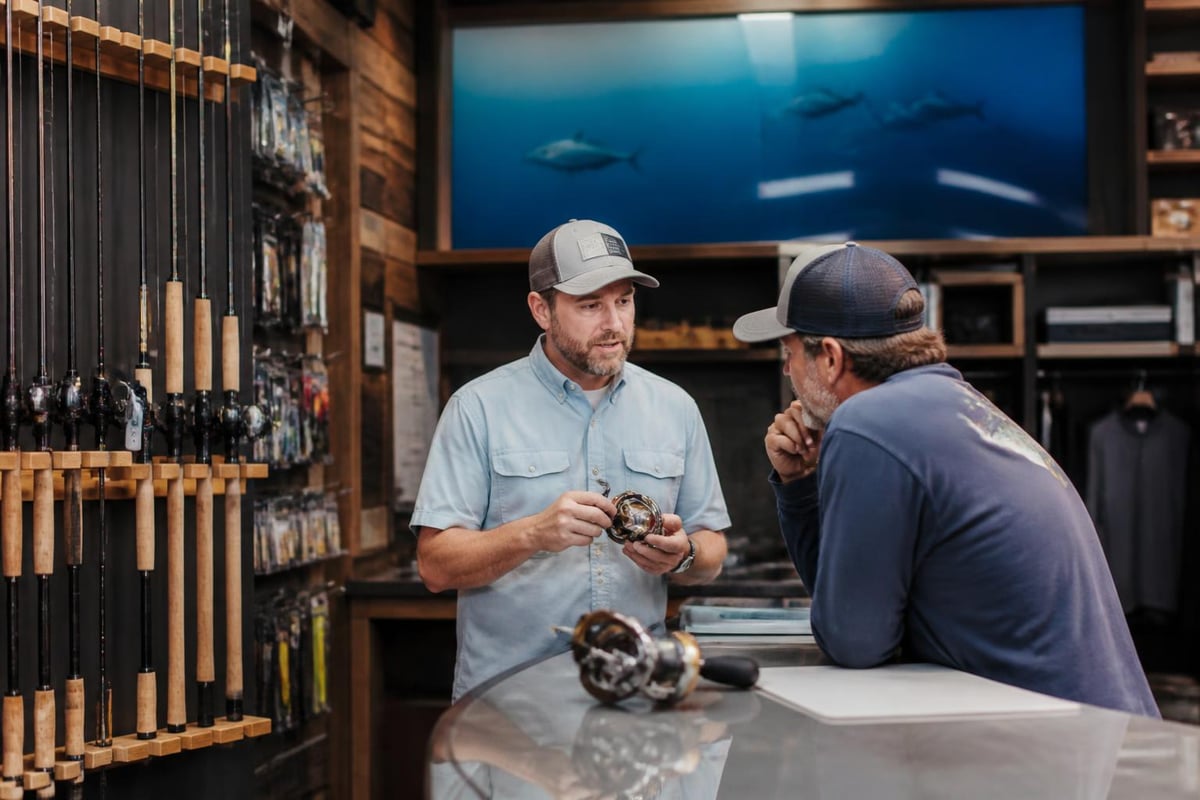
Product quality directly affects customer satisfaction and long-term business success. A sport fishing shop builds reputation through consistent delivery of reliable equipment.
Strong supplier relationships provide competitive advantages:
Local manufacturers often offer additional benefits. For example, New Zealand-made fishing nets provide quality assurance and support regional economies while meeting the specific needs of Pacific fisheries.
Implementing quality standards protects customer relationships:
For specialized items like fishing nets and mesh materials, understanding construction methods and material specifications ensures appropriate recommendations to customers.
The sport fishing shop sector continues evolving alongside broader retail trends and fishing industry developments. Looking forward, several factors will shape successful operations.
Innovation creates new possibilities for customer engagement and operational efficiency:
Early adopters of proven technologies often gain market advantages. However, sport fishing shop owners should evaluate innovations carefully, ensuring investments align with customer expectations and business objectives.
Environmental stewardship increasingly influences purchasing decisions. A forward-thinking sport fishing shop addresses sustainability through:
These commitments resonate with environmentally conscious anglers while contributing to long-term fishery health. The future of fishing depends partly on retail sector leadership in conservation.
Industry dynamics continue shifting as market forces affect the competitive landscape. Sport fishing shops face competition from:
| Competitor Type | Advantages | Challenges to Address |
|---|---|---|
| Big-box retailers | Lower prices, broad selection | Limited expertise, generic service |
| Online specialists | Convenience, detailed reviews | No hands-on evaluation, shipping delays |
| Department stores | High traffic, impulse purchases | Poor product knowledge, limited inventory depth |
| Direct manufacturers | Best pricing, newest products | Narrow selection, no local presence |
Successful independent sport fishing shops emphasize strengths like personalized service, local expertise, and community connections. These differentiators create customer loyalty that transcends price-based competition.
Operating a sport fishing shop requires attention to various legal and regulatory requirements. Compliance protects the business while demonstrating professionalism.
Required paperwork varies by jurisdiction but typically includes:
Additionally, sport fishing shops often need special authorizations for selling certain items like fishing licenses or hunting equipment. Maintaining current licenses and permits avoids penalties and business interruptions.
Protecting customers and employees requires proactive risk management:
Consulting with insurance professionals familiar with retail operations ensures appropriate coverage levels. Documentation of safety procedures and staff training further reduces liability exposure.
Fishing activity fluctuates seasonally in most regions, affecting sport fishing shop revenue patterns. Smart operators implement strategies maintaining customer engagement throughout the year.
During slower periods, creative approaches maintain cash flow:
These activities keep the sport fishing shop visible in customers' minds while generating revenue during traditionally quiet months. Building anticipation for upcoming seasons encourages early purchases when activity resumes.
Maximizing revenue during busy periods requires preparation and execution:
Planning these elements in advance prevents scrambling when demand surges. Successful sport fishing shops prepare for peak seasons months ahead, ensuring seamless operations when customers arrive.
Success in sport fishing retail demands expertise, community engagement, and strategic business management that balances tradition with innovation. Whether you're operating a sport fishing shop or supporting the fishing community through quality equipment manufacturing, understanding market dynamics and customer needs drives sustainable growth. Action Outdoors Limited supports fishing retailers and communities across the Pacific with New Zealand-made fishing nets, marine equipment, and comprehensive supplies manufactured to the highest quality standards. Explore how our extensive product range can enhance your fishing operations and deliver the reliability your customers expect.
Leave a comment