
Email

New Zealand's pristine rivers and crystal-clear lakes offer some of the world's finest trout fishing opportunities. From the rugged West Coast streams to the expansive Central Plateau lakes, understanding which lures work best in these varied environments can make the difference between a memorable catch and an empty-handed return. The country's rainbow and brown trout populations thrive in diverse conditions, requiring anglers to adapt their lure selection based on water clarity, temperature, depth, and seasonal patterns. Whether you're trolling the depths of Lake Taupo or casting along the banks of the Mataura River, selecting the best trout lures for NZ rivers and lakes requires knowledge of both the prey species trout feed on and the specific conditions you'll encounter.
New Zealand trout exhibit distinct feeding behaviors that vary significantly between rivers and lakes. Brown trout tend to be more cautious and structure-oriented, often holding in deeper pools or beneath overhanging banks, while rainbow trout are typically more aggressive and willing to chase lures in open water.
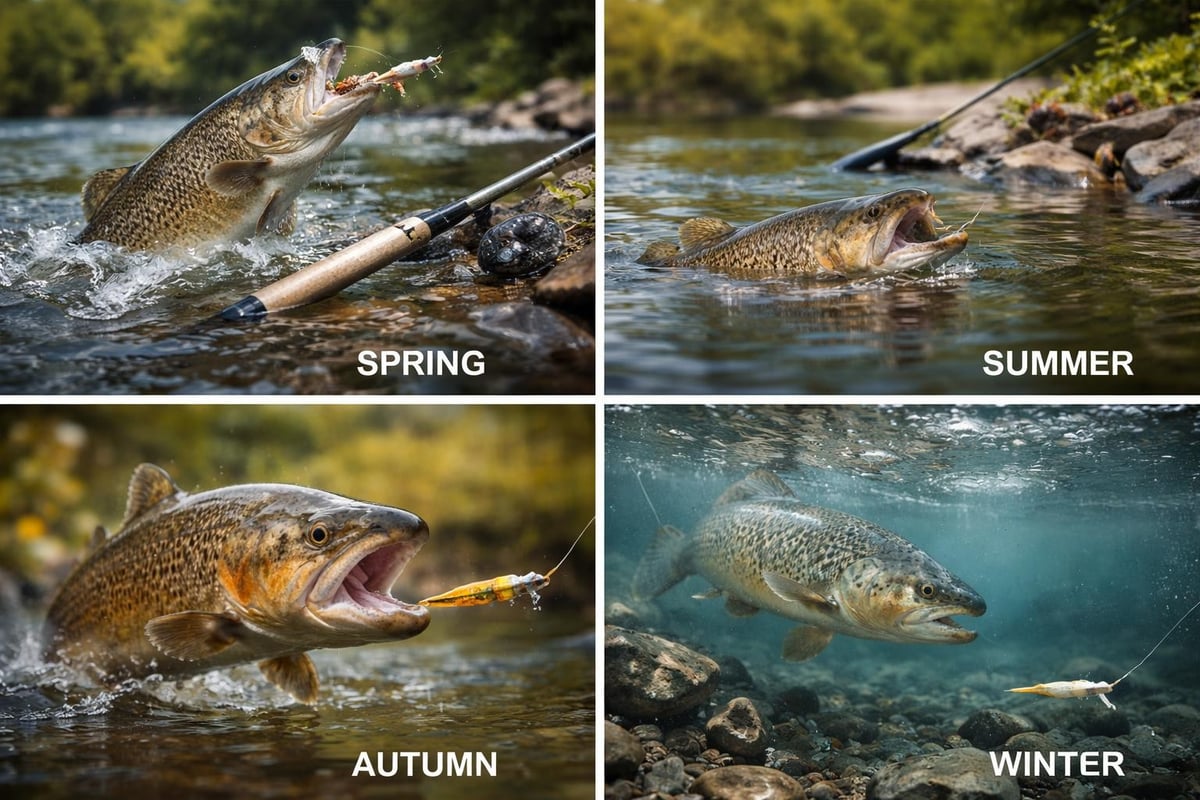
Water temperature plays a crucial role in lure selection. During warmer months (December through February), trout become more active and responsive to faster-moving lures with erratic action. Conversely, winter fishing demands slower presentations with subtle movements that mimic lethargic prey.
The changing seasons dramatically impact which lures perform best:
Understanding these patterns helps narrow down the best trout lures for NZ rivers and lakes throughout the year. For anglers looking to stay current with the latest tackle innovations, checking out 9 must-have new fishing equipment picks for 2026 provides valuable insights into emerging technologies.
Hard body minnows remain among the most effective lures for both trolling and casting in New Zealand waters. These versatile lures excel in lakes where trout cruise at various depths searching for smelt and other baitfish.
Bibbed minnows feature diving lips that allow them to reach specific depth ranges. The bibbed trout minnows commonly used in New Zealand range from shallow runners (1-2 meters) to deep divers (5-8 meters). Color selection matters significantly, with natural smelt patterns working well in clear water and brighter chartreuse or orange options producing better results in stained conditions.
| Feature | River Application | Lake Application |
|---|---|---|
| Lip Size | Smaller lips for shallow runs | Larger lips for depth control |
| Weight | Heavier for current | Lighter for natural action |
| Rattles | Optional in clear water | Effective in low visibility |
| Size Range | 5-9cm typical | 7-12cm common |
The strike zone for hard body lures varies by location. In rivers, keeping lures near the bottom third of the water column produces consistent results, while lake fishing often requires experimenting with depths until you locate active fish. Black Magic Tackle's lure fishing guide offers comprehensive techniques for maximizing hard body lure effectiveness.
Maintaining your tackle properly extends lure life and performance. When hooks become dull or damaged, having reliable repair materials ensures you can quickly restore your gear to working condition.
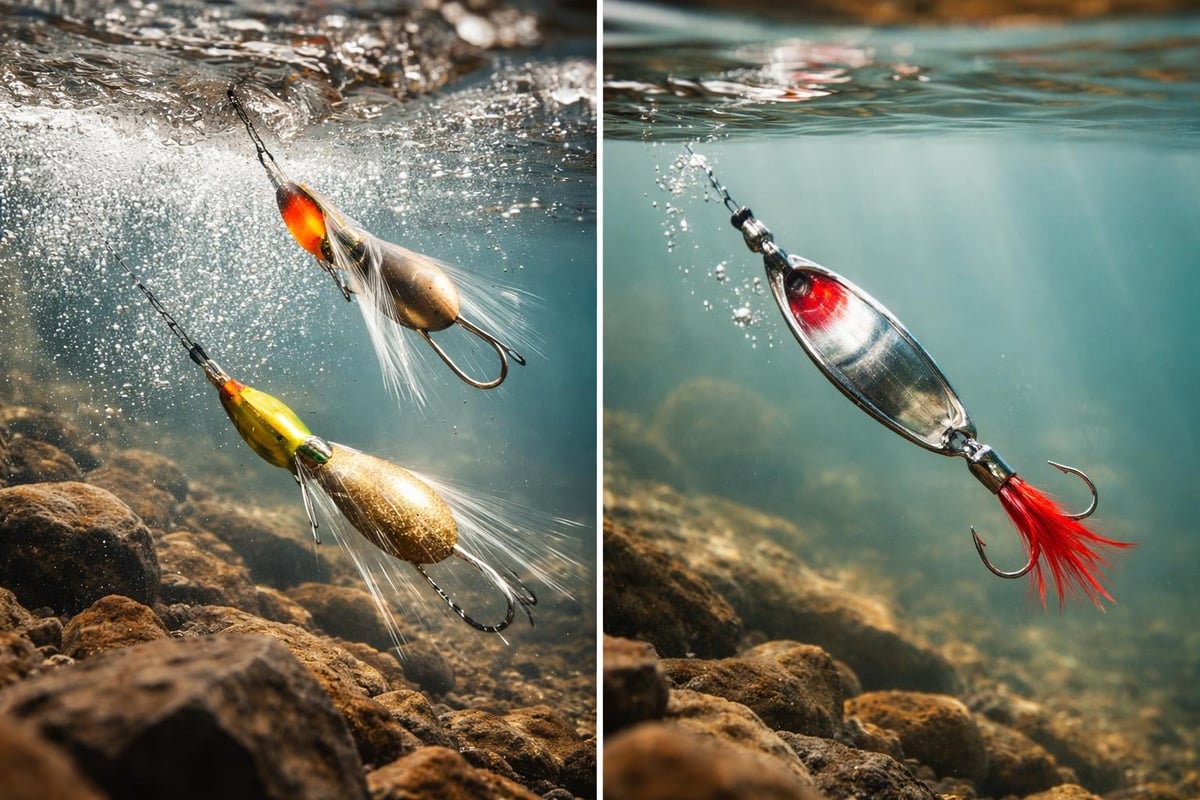
Spinners and spoons represent classic choices among the best trout lures for NZ rivers and lakes, particularly in flowing water where their flash and vibration trigger aggressive strikes.
Inline spinners feature rotating blades that create both visual attraction and underwater vibrations. Size selection depends on water conditions:
Blade color and finish significantly impact success rates. Gold and copper tones excel in tea-colored water, while silver and chrome work better in clear conditions. Fluorescent colors like chartreuse or pink can trigger strikes when fish are actively feeding but not committing to natural patterns.
Spoons offer a different action profile, with a wobbling motion that mimics injured baitfish. Their simplicity makes them reliable producers across varied conditions. Weight selection matters more than size alone, as denser spoons sink faster and work effectively in deeper pools or strong currents.
The retrieve speed fundamentally changes spoon effectiveness. A slow, steady retrieve with occasional pauses allows the spoon to flutter downward, often triggering follows into strikes. Faster retrieves keep spoons higher in the water column and appeal to aggressive trout.
Regional preferences exist throughout New Zealand. West Coast anglers often favor heavier spoons to combat strong currents, while Canterbury Plains fishers lean toward lighter presentations in smaller streams. Understanding local conditions helps refine your approach to selecting the best trout lures for NZ rivers and lakes in your target area.
Soft plastic baits have revolutionized trout fishing in New Zealand over the past decade. Their lifelike appearance and natural movement patterns make them exceptionally effective, particularly for pressured fish that have seen numerous hard lures.
The key advantage of soft plastics lies in their versatility. A single soft bait can be rigged multiple ways to match different fishing scenarios. Soft plastic baits for trout fishing provides detailed rigging techniques that expand your tactical options on the water.
Color selection with soft plastics follows different rules than hard lures. Natural colors like white, pearl, and smoke work consistently well, but don't overlook darker options. Black or purple soft baits can outperform lighter colors in low-light conditions or murky water.
Scent plays a role that hard lures cannot replicate. Many soft plastics feature built-in attractants, and adding supplemental scent can extend strike windows as trout hold the bait longer before rejecting it.
The retrieve technique dramatically impacts soft plastic effectiveness. A slow, twitching retrieve along the bottom imitates bully behavior, while a steady mid-water retrieve mimics swimming smelt. Experimenting with cadence often reveals what trout want on any given day.
New Zealand's geographic diversity creates distinct fishing environments requiring tailored approaches. The best trout lures for NZ rivers and lakes in one region may underperform elsewhere due to water characteristics, prey availability, and trout behavior patterns.
North Island Lakes like Taupo and Rotorua feature large rainbow trout populations that primarily feed on smelt. Trolling hard body minnows in natural smelt patterns produces consistent results, with depths ranging from 8-15 meters depending on season and water temperature. The boat fishing resource details effective trolling strategies specific to New Zealand conditions.
South Island Rivers present different challenges. The Mataura, Oreti, and Clutha systems hold predominantly brown trout that feed on a diverse prey base including bullies, koura (freshwater crayfish), and terrestrial insects. Spinners and spoons in earth tones work effectively here, particularly sizes that match local bully populations.
| Water Body | Primary Species | Top Lure Types | Key Techniques |
|---|---|---|---|
| North Island Lakes | Rainbow Trout | Hard body minnows, soft baits | Trolling, jigging |
| South Island Lakes | Rainbow/Brown | Spinners, spoons, minnows | Casting, trolling |
| Small Streams | Brown Trout | Small spinners, soft baits | Upstream casting |
| Large Rivers | Brown Trout | Spoons, large spinners | Cross-current retrieves |
The Wakatipu Basin offers unique opportunities detailed in the Gems of the Wakatipu Basin guide, where matching lure selection to specific lakes and rivers increases success rates dramatically.
West Coast waters feature tea-colored tannin staining from native bush, requiring lures with greater visibility. Brighter colors and larger profiles help trout locate lures in reduced visibility conditions. The West Coast fishing access information provides valuable regional insights for lure selection.
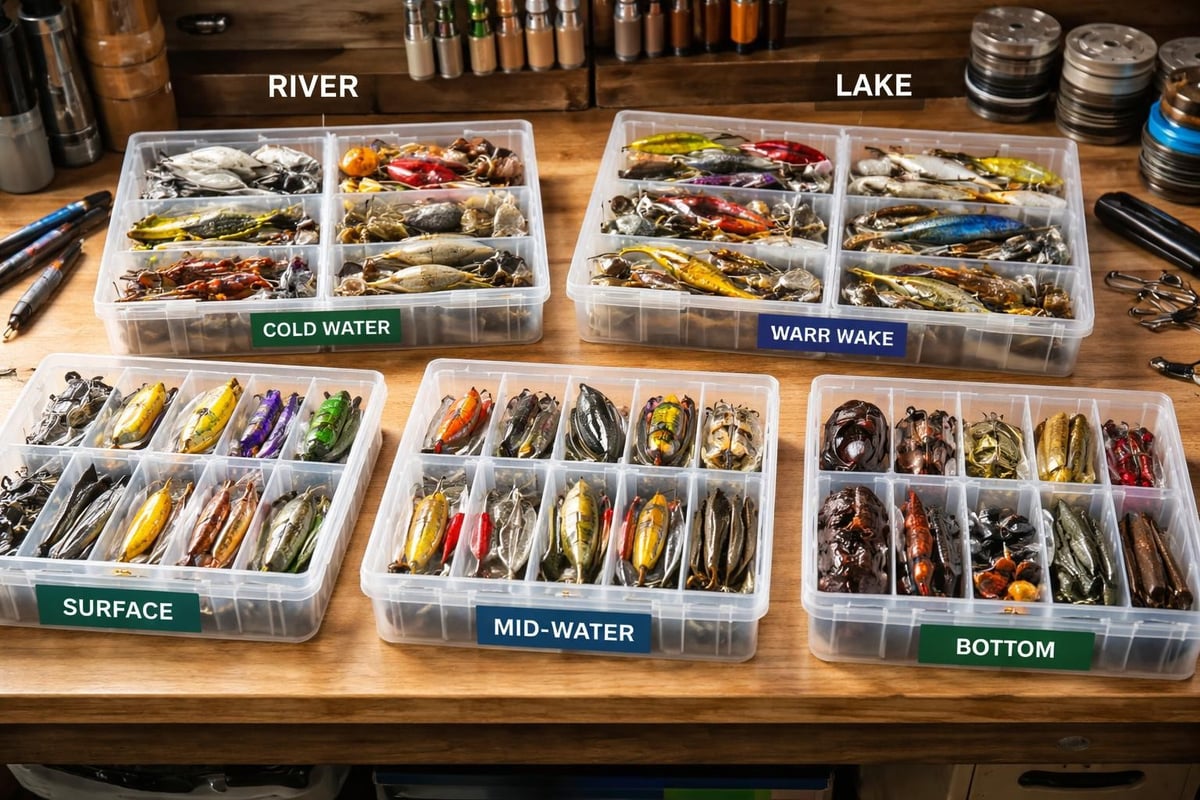
Properly storing and transporting your collection of the best trout lures for NZ rivers and lakes protects your investment and ensures lures remain in optimal condition. Rust prevention matters significantly in New Zealand's humid coastal climate.
Tackle boxes should feature individual compartments preventing lures from tangling and hooks from dulling against each other. Waterproof designs protect against moisture intrusion during stream crossings or boat spray.
For anglers who fish multiple locations, organizing lures by water type rather than lure type streamlines on-water decisions. Having a dedicated "river box" and "lake box" means you're always prepared for the conditions you'll encounter.
Rod and reel care extends beyond the lures themselves. After saltwater exposure or extended freshwater use, cleaning equipment prevents corrosion and maintains smooth operation. Many New Zealand anglers also explore new fishing accessories that enhance their fishing experience and equipment longevity.
Beyond selecting appropriate lures, presentation techniques separate successful anglers from those who struggle. Understanding how to work the best trout lures for NZ rivers and lakes requires attention to retrieve speed, rod angle, and environmental reading.
Cadence variation keeps lures appearing natural and triggers strikes from following fish. A steady retrieve works well initially, but incorporating pauses, speed changes, and directional shifts often converts followers into strikers. When a trout follows without committing, stopping the lure completely frequently triggers an instinctive strike response.
Line choice impacts lure action significantly. Monofilament provides stretch that cushions hooksets and creates a buffer during fights, while fluorocarbon's invisibility helps in ultra-clear water. Braid offers superior sensitivity for detecting subtle strikes but requires careful drag settings to avoid pulling hooks.
Successful lure fishing requires identifying high-probability holding areas:
Casting accuracy places lures in strike zones rather than near them. The difference between a cast landing two meters from structure versus tight against it often determines whether you hook fish or simply spook them.
Water clarity dictates approach distance. In gin-clear spring creeks, long casts with stealthy approaches prevent fish from detecting your presence. Conversely, tea-stained waters allow closer positioning and more aggressive presentations.
Berkley Fishing's freshwater guide offers additional insights into reading New Zealand waters and matching presentations to conditions.
Trout vision and feeding selectivity change seasonally, requiring adjustments to lure color and size for optimal results. The best trout lures for NZ rivers and lakes in summer may differ dramatically from winter selections.
Spring brings increased insect activity and spawning baitfish. Lures mimicking smelt and whitebait in the 6-8cm range work exceptionally well. Natural silver and white colors with subtle flash match prevalent prey.
Summer heat drives trout deeper or into cooler tributaries. Larger lures (8-12cm) work effectively as trout feed aggressively to maintain body condition. Brighter colors like chartreuse, orange, and pink trigger strikes when natural patterns fail.
Autumn sees pre-spawn aggression from brown trout and continued active feeding from rainbows. Bold colors and larger profiles appeal to territorial instincts. This period offers some of the year's best lure fishing as trout strike aggressively.
Winter demands finesse. Smaller lures (4-6cm) with natural colors and slow retrieves match reduced metabolic rates. Deep-diving options reach trout holding in thermal refuge areas.
New anglers often feel overwhelmed by lure variety. Building a functional collection of the best trout lures for NZ rivers and lakes requires strategic selection rather than random accumulation.
Start with versatile core lures that work across multiple conditions:
As experience grows, add specialized options for specific conditions encountered regularly. Local tackle shops provide valuable regional knowledge about productive patterns and proven colors.
Quality matters more than quantity. Ten reliable, well-maintained lures outperform fifty cheaply made options that fail during critical moments. Inspect hooks regularly, replacing any showing signs of dullness or corrosion.
Many experienced New Zealand anglers maintain relationships with comprehensive outdoor suppliers offering marine equipment and fishing gear alongside specialized tackle options. This ensures access to both replacement lures and supporting equipment like nets, ropes, and boat accessories.
Selecting the best trout lures for NZ rivers and lakes includes considering environmental impact. Lost lures contribute to waterway pollution and can injure wildlife. Using appropriate strength line reduces break-offs, while checking knots regularly prevents unexpected failures.
Barbless hooks facilitate easier catch-and-release, reducing handling time and improving survival rates. Many New Zealand fisheries operate under catch-and-release regulations during certain periods, making barbless hooks not just ethical but legally required.
Pack out all fishing waste including tangled line, broken lures, and packaging. Monofilament line poses particular hazards to birds and can persist in the environment for decades.
Supporting sustainable fishing practices ensures future generations enjoy the same quality angling New Zealand currently offers. Respecting bag limits, size restrictions, and seasonal closures maintains healthy trout populations.
Selecting effective trout lures for New Zealand's diverse waters combines understanding fish behavior, matching presentations to conditions, and adapting to seasonal patterns. Success comes from strategic lure selection backed by proper technique and environmental knowledge. Whether you're outfitting for your next fishing adventure or need quality marine and fishing equipment, Action Outdoors Limited provides the comprehensive range of gear and accessories that New Zealand anglers trust. Visit Action Outdoors Limited to explore their full catalogue of fishing supplies, nets, ropes, and outdoor equipment backed by New Zealand-made quality and dependable service.
Shop related products at Action Outdoors: Fishing Lures · Fishing Line · Rope & Twine
Leave a comment