

Fishing Material Shop: Your Complete Guide for 2026
Finding the right fishing material shop can make the difference between a successful fishing operation and costly downtime. Whether you're outfitting a commercial fishing vessel, managing a community fishery, or pursuing recreational fishing across Pacific waters, understanding what to look for in a quality supplier ensures you get the materials, reliability, and support your operation demands. The fishing industry in New Zealand and the Pacific region requires specialized equipment built to withstand demanding marine environments, and choosing the right partner for your fishing materials establishes the foundation for long-term success.
Understanding What a Quality Fishing Material Shop Offers
A comprehensive fishing material shop extends far beyond basic tackle and bait. Professional operations require access to a wide range of specialized equipment designed for commercial and serious recreational use.
Core Product Categories
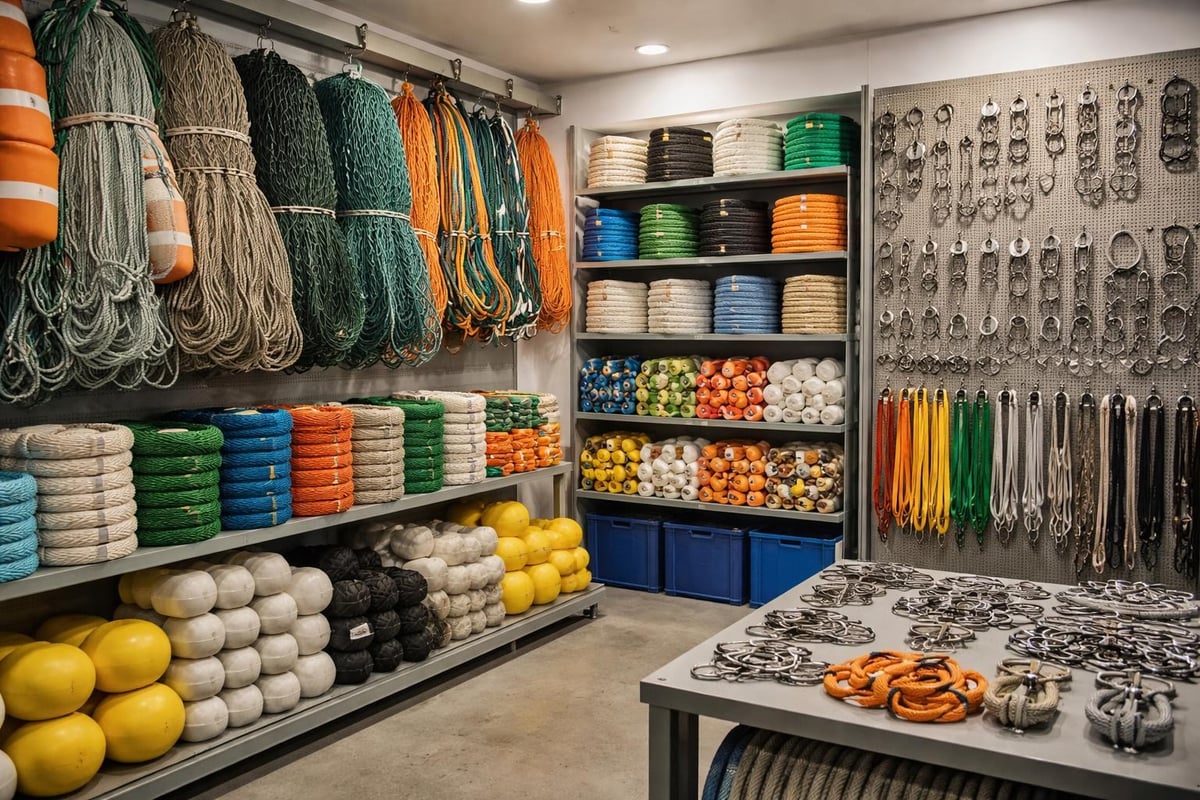
The foundation of any reputable fishing material shop includes several essential categories. Fishing nets represent the primary equipment for many commercial operations, with variations in mesh size, material composition, and construction methods suited to different target species and fishing environments. Ready-to-use nets eliminate the need for time-consuming assembly and ensure consistent quality across your fleet.
Ropes and lines constitute another critical category, serving multiple purposes from mooring and anchoring to net deployment and retrieval. Different rope materials offer varying characteristics regarding strength, flexibility, abrasion resistance, and buoyancy. When evaluating bait and tackle shops, understanding these material properties helps you select the right specifications for your specific applications.
Marine hardware and accessories complete the essential inventory:
- Floats and buoys in various sizes and buoyancy ratings
- Slings and lifting equipment rated for marine environments
- Anchors and mooring equipment
- Net repair materials and tools
- Protective gear and safety equipment
Specialized Equipment for Different Fishing Methods
Different fishing techniques require specific materials and configurations. A well-stocked fishing material shop maintains inventory across multiple fishing disciplines, allowing operators to source everything from a single reliable supplier.
Drag netting requires robust materials with precise mesh specifications. Commercial operations targeting specific species need nets engineered for those applications, with appropriate mesh sizes, depths, and float-to-lead ratios. Set netting operations demand different specifications, with materials selected for durability during extended deployment periods.
Cast nets serve both commercial bait collection and recreational purposes. American and Japanese style cast nets each offer distinct advantages depending on water conditions and target species. Understanding these variations helps operators choose the right equipment for their specific needs. For those exploring innovative fishing techniques, having access to modern materials and designs proves essential.
| Fishing Method | Primary Materials | Key Specifications | Typical Applications |
|---|---|---|---|
| Commercial Drag Netting | Monofilament/multifilament nets | 85mm-140mm mesh | Snapper, mullet, commercial species |
| Set Netting | Multifilament nets, anchors | Species-specific mesh | Coastal and estuarine fishing |
| Cast Netting | Monofilament with lead weights | 4ft-12ft radius | Bait collection, whitebait |
| Bottom Fishing | Specialized lines, floats | High-strength materials | Deep water commercial fishing |
Evaluating Material Quality and Manufacturing Standards
Not all fishing materials meet the same quality standards. Understanding how to assess material quality protects your investment and ensures reliable performance.
Material Composition and Durability
Fishing nets utilize various materials, each with specific performance characteristics. Monofilament provides excellent strength-to-weight ratios and reduced drag in water, making it ideal for certain applications. Multifilament offers superior flexibility and knot strength, performing better in situations requiring repeated handling.
The quality of raw materials directly impacts net longevity. Premium-grade materials resist UV degradation, maintain strength in saltwater environments, and withstand abrasion from rocks, coral, and catch handling. New Zealand-made products often incorporate rigorous quality standards, with manufacturing processes designed for Pacific fishing conditions.
Key quality indicators include:
- Consistent mesh sizing throughout the net
- Uniform knot construction without weak points
- Appropriate float and lead distribution for target applications
- UV-resistant materials for extended outdoor exposure
- Reinforced edges and stress points
Manufacturing Excellence and Product Testing
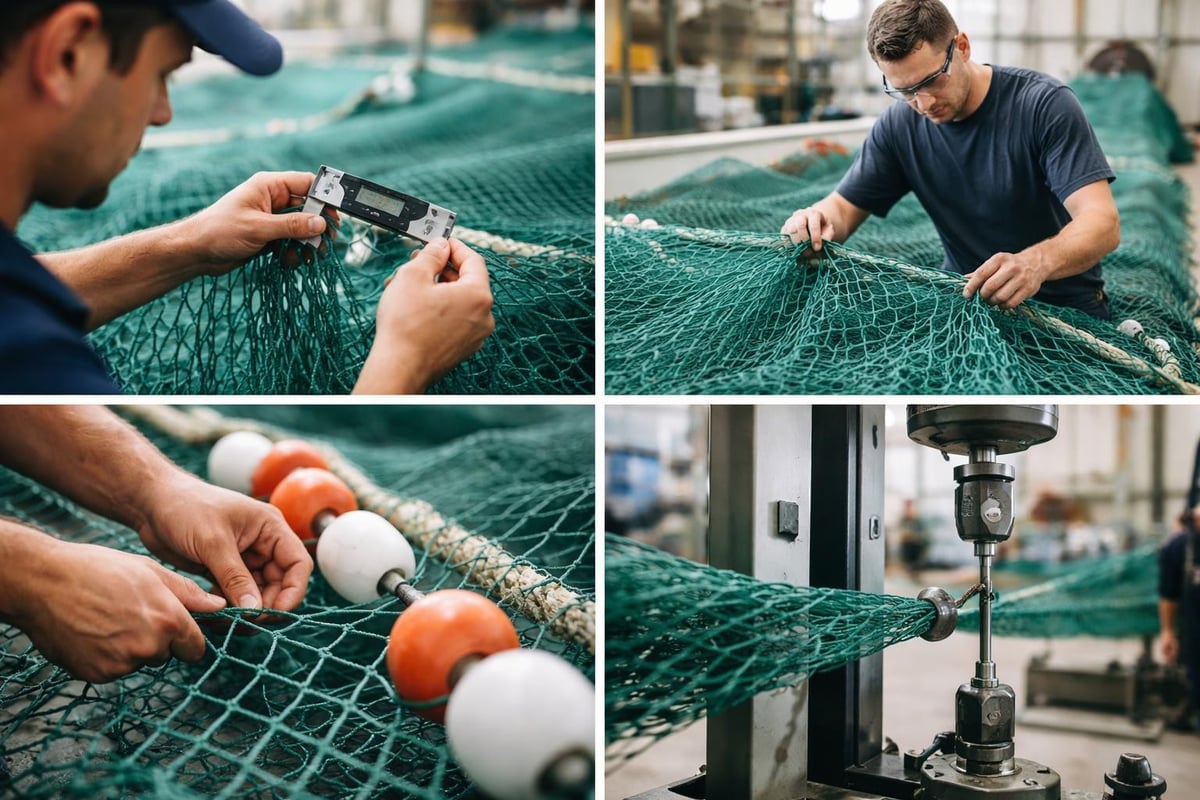
A reputable fishing material shop sources from manufacturers who test their products under real-world conditions. Production volumes exceeding 350,000 meters annually demonstrate manufacturing capability and process refinement that small-scale operations cannot match.
Quality manufacturers implement inspection protocols at multiple production stages. This ensures that finished products meet specifications before shipping. For commercial operations, this reliability translates directly to reduced downtime and maintenance costs. When considering must-have fishing equipment for 2026, manufacturing quality should rank among your top priorities.
Environmental Considerations in Material Selection
Environmental sustainability has become increasingly important in the fishing industry. Responsible operators consider the environmental impact of their material choices.
Addressing Plastic Pollution Concerns
The fishing industry faces growing scrutiny regarding plastic fishing gear materials and their contribution to marine pollution. While plastic materials offer undeniable performance advantages, responsible use and proper gear management minimize environmental impact.
A forward-thinking fishing material shop educates customers about proper gear maintenance, storage, and disposal. Extended product lifespan through quality materials reduces replacement frequency and associated environmental impact. Investing in durable, well-manufactured equipment proves more sustainable than repeatedly purchasing lower-quality alternatives.
Proper gear retrieval and storage protocols prevent accidental loss, which represents the primary source of plastic fishing gear pollution. Quality materials withstand the rigors of retrieval and storage better than cheaper alternatives, reducing the likelihood of gear failure and abandonment.
Sustainable Practices and Long-Term Thinking
Selecting materials that offer extended service life aligns environmental responsibility with economic sense. Premium materials command higher initial costs but deliver lower total cost of ownership through reduced replacement frequency and superior reliability.
Commercial operators increasingly recognize that sustainable practices support long-term fishery health. Using appropriate mesh sizes prevents juvenile catch, supporting population sustainability. Quality materials maintain their specifications throughout their service life, ensuring compliance with fishery regulations.
What Separates Excellent from Average Fishing Material Shops
Not all suppliers offer the same value proposition. Several factors distinguish exceptional fishing material shops from basic retailers.
Product Knowledge and Customer Support
Expert staff who understand fishing applications provide invaluable assistance in material selection. When shopping at fishing tackle stores, knowledgeable staff help match materials to specific applications, preventing costly mismatches between equipment and intended use.
The best fishing material shops employ staff with actual fishing experience who understand the challenges operators face. This expertise extends beyond product specifications to practical application advice, troubleshooting support, and recommendations based on real-world performance.
Excellent customer support includes:
- Technical specifications and application guidance
- Custom sizing and configuration options
- Rapid response to inquiries and orders
- After-sales support and warranty service
- Educational resources about proper use and maintenance
Inventory Depth and Product Availability
A comprehensive fishing material shop maintains substantial inventory across multiple product categories. This depth ensures that commercial operators can source complete equipment packages from a single supplier, reducing procurement complexity and freight costs.
Quick turnaround times matter significantly for commercial operations where equipment failure creates immediate revenue impact. Suppliers who stock ready-to-use products eliminate manufacturing delays, getting operators back on the water rapidly. For those exploring bottom fishing gear, having immediate access to replacement materials prevents costly downtime.
| Supplier Characteristic | Impact on Operations | Questions to Ask |
|---|---|---|
| Ready-to-use inventory | Eliminates wait times | "Do you stock or manufacture to order?" |
| Range of specifications | One-stop shopping | "What mesh sizes and net types are available?" |
| Custom configuration | Precise application match | "Can you customize dimensions and specifications?" |
| Export capability | Pacific market access | "Do you ship to Pacific Island nations?" |
Beyond Fishing Nets: Complementary Equipment and Supplies
A full-service fishing material shop stocks complementary equipment that supports complete fishing operations.
Marine Ropes and Cordage
Marine ropes serve countless functions aboard fishing vessels and in shore-based operations. Different rope constructions offer varying characteristics suited to specific applications. Three-strand twisted rope provides good grip and traditional handling characteristics. Braided rope offers superior strength and reduced stretch for applications requiring precise control.
Modern synthetic materials have largely replaced natural fibers in commercial fishing applications. Polypropylene offers excellent buoyancy for floating applications, while nylon provides superior strength and shock absorption. Polyester combines good strength with UV resistance and minimal stretch.
Floats, Buoys, and Markers
Proper float selection ensures nets maintain their intended position and configuration in the water. Float size, material, and buoyancy rating must match the net size, mesh weight, and fishing conditions. Insufficient flotation causes nets to sink below their target depth, while excessive flotation creates drag and instability.
Commercial-grade floats withstand repeated impacts, UV exposure, and marine growth. Quality materials maintain their buoyancy characteristics throughout extended service periods. For specialized applications like float fishing kits, selecting appropriately rated components ensures system performance.
Slings, Lifting Equipment, and Safety Gear
Commercial fishing operations require robust lifting equipment for handling nets, catch, and supplies. Marine-rated slings resist saltwater corrosion and maintain their load ratings in wet conditions. Proper working load limits and safety factors prevent equipment failure during critical operations.
Safety equipment represents another essential category that responsible fishing material shops stock comprehensively. Personal flotation devices, first aid supplies, communication equipment, and emergency gear protect crews during normal operations and emergency situations.
Choosing Between Local and Import Options
Geographic location significantly impacts material sourcing decisions for Pacific fisheries.
Advantages of New Zealand-Made Products
New Zealand manufacturing offers several advantages for Pacific region fisheries. Products designed and manufactured for local conditions perform better than generic imports. New Zealand's marine environment presents unique challenges including strong currents, variable temperatures, and diverse target species that local manufacturers understand intimately.
Proximity reduces shipping times and freight costs compared to distant suppliers. When equipment fails or operations expand, local suppliers provide rapid response that overseas manufacturers cannot match. For commercial operations where downtime directly impacts revenue, this responsiveness carries significant value.
Quality assurance proves easier with local suppliers. Visiting manufacturing facilities, discussing specifications directly with production staff, and establishing ongoing relationships supports consistent quality. Many successful tackle retailers emphasize product visibility and quality merchandising, principles that apply equally to commercial material sourcing.
Export Capabilities and Pacific Market Service
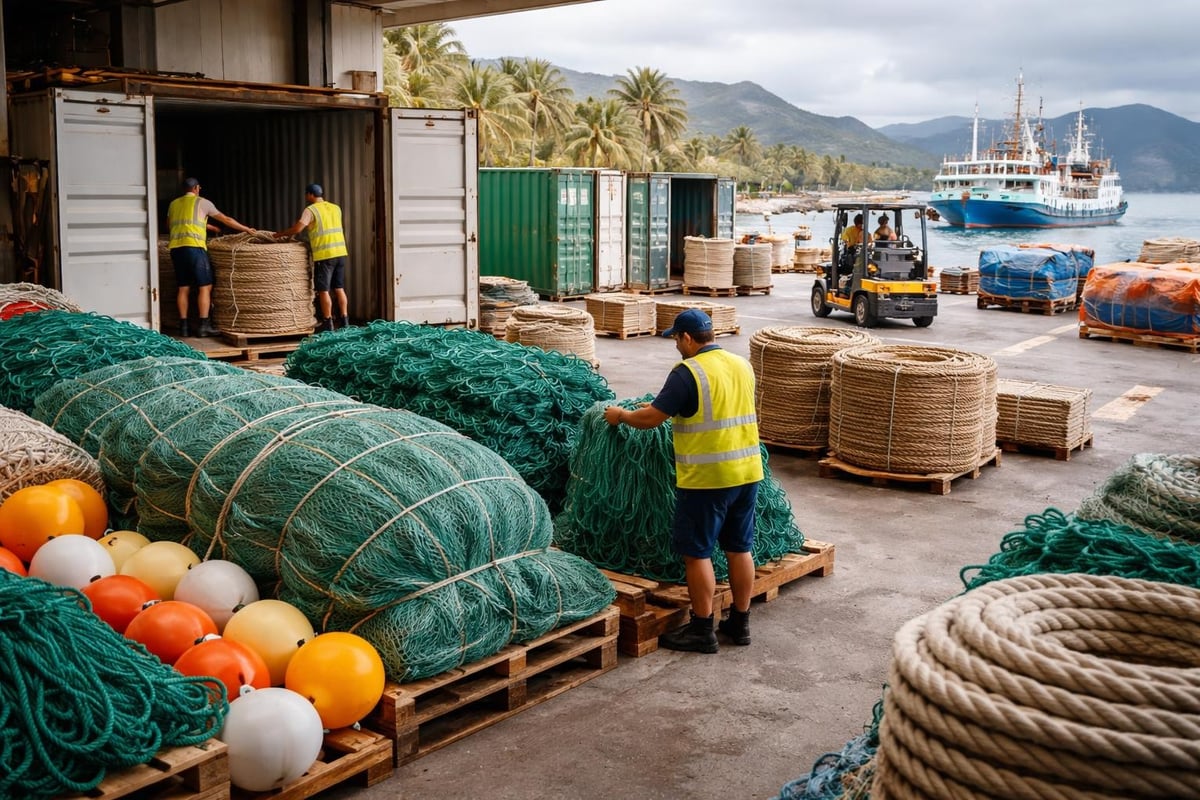
Pacific Island fisheries require suppliers who understand export regulations, shipping logistics, and the unique requirements of remote island operations. A fishing material shop with established export capabilities streamlines the procurement process for island-based operations.
Products designed for export incorporate packaging that protects materials during extended transit. Documentation, customs compliance, and shipping coordination represent value-added services that simplify international procurement. For community fisheries across the Pacific, reliable supply chains ensure operational continuity despite geographic isolation.
Pricing Strategies and Value Assessment
Understanding pricing structures helps operators maximize value while maintaining quality standards.
Beyond Initial Purchase Price
Cheapest initial price rarely equals best value in commercial fishing materials. Total cost of ownership incorporates purchase price, service life, maintenance requirements, and replacement frequency. Premium materials that last twice as long while requiring less maintenance deliver superior value despite higher initial costs.
Performance reliability factors significantly into value calculations. Net failure during prime fishing seasons creates opportunity costs that dwarf material savings from cheaper alternatives. Commercial operators increasingly recognize that reliability and consistent performance justify premium pricing.
Volume Purchasing and Partnership Opportunities
Established relationships with a trusted fishing material shop often yield benefits beyond individual transactions. Volume purchasing arrangements reduce per-unit costs while ensuring priority service and inventory allocation. For fleet operations or community fisheries purchasing cooperatively, these arrangements deliver substantial savings.
Partnership arrangements might include custom product development, consignment inventory, or technical support services. When operators and suppliers work collaboratively, both parties benefit from improved efficiency and performance.
Expanding Beyond Traditional Fishing Applications
Comprehensive fishing material shops increasingly serve markets beyond traditional fishing applications.
Marine Industry and Aquaculture
Marine equipment needs extend across recreational boating, commercial shipping, and aquaculture operations. Ropes, nets, and marine hardware serve multiple industries with overlapping requirements. A fishing material shop with broad inventory supports diverse customer bases efficiently.
Aquaculture operations require specialized netting for containment, predator protection, and harvesting. These applications demand different specifications than capture fisheries but utilize similar materials and manufacturing processes. Suppliers serving multiple marine sectors leverage their expertise across broader markets.
RV and Industrial Applications
The same materials that serve fishing operations often suit recreational vehicle and industrial applications. Quality ropes, tie-downs, and protective equipment manufactured for marine environments perform excellently in land-based situations. For suppliers, diversifying product applications improves business stability while offering customers convenient one-stop shopping.
Industrial users value the durability and reliability that marine-grade materials provide. Construction, agriculture, and manufacturing operations utilize ropes, slings, and protective equipment built to marine specifications. This cross-application versatility demonstrates the fundamental quality of materials designed for demanding fishing environments.
Planning Your Fishing Material Shop Selection
Choosing the right supplier represents a strategic decision with long-term operational implications.
Assessment Criteria and Decision Framework
Systematic evaluation ensures you select a fishing material shop that meets your specific requirements. Start by clearly defining your needs regarding product types, quantities, delivery schedules, and budget constraints.
Evaluate potential suppliers across multiple dimensions:
- Product range and specification options
- Manufacturing quality and consistency
- Inventory depth and availability
- Technical knowledge and support
- Pricing competitiveness and value
- Delivery reliability and turnaround times
- After-sales service and warranty coverage
- Geographic proximity and shipping logistics
When choosing the right fishing tackle shop, whether for commercial materials or recreational equipment, thorough evaluation prevents costly mistakes and establishes productive long-term relationships.
Building Long-Term Supplier Relationships
The most successful fishing operations establish enduring partnerships with reliable suppliers. These relationships deliver benefits that transactional purchasing cannot match. Suppliers who understand your operation anticipate your needs, recommend improvements, and prioritize your requirements.
Communication forms the foundation of successful partnerships. Regular dialogue about performance, challenges, and opportunities helps both parties optimize their collaboration. Suppliers gain insights into product performance and customer needs, while operators receive proactive support and early access to innovations.
Loyalty often yields tangible benefits including preferred pricing, priority inventory allocation, and enhanced technical support. For commercial operations, these advantages translate directly to improved competitiveness and profitability.
Technology Integration and Modern Retail Approaches
Contemporary fishing material shops increasingly leverage technology to enhance customer service and operational efficiency.
Online Catalogs and Digital Ordering
Digital platforms provide convenient access to product information, specifications, and pricing. Comprehensive online catalogs allow operators to research options, compare specifications, and plan purchases at their convenience. For remote operations or those planning equipment upgrades, online resources streamline the procurement process.
E-commerce capabilities enable 24/7 ordering, automated inventory checks, and shipment tracking. These conveniences particularly benefit commercial operations managing complex procurement requirements across multiple vessels or locations. Integration with accounting and inventory systems further enhances efficiency.
Educational Content and Technical Resources
Leading suppliers provide educational content that helps customers maximize equipment performance. Technical articles, application guides, and maintenance instructions support proper material selection and use. These resources demonstrate supplier expertise while helping customers achieve better results.
For those interested in exploring Action Outdoors Limited and their comprehensive range of fishing and marine equipment, digital resources provide valuable insights into product capabilities and applications. Educational content builds customer confidence and supports informed purchasing decisions.
Selecting the right fishing material shop establishes the foundation for successful fishing operations across commercial and recreational applications. Quality materials, knowledgeable support, and reliable service combine to deliver superior value compared to purely price-driven purchasing decisions. Whether you're outfitting a commercial fleet, managing a community fishery, or pursuing serious recreational fishing, partnering with a comprehensive supplier like Action Outdoors Limited ensures access to New Zealand-made quality, extensive inventory, and the expertise needed to optimize your fishing success throughout 2026 and beyond.
Leave a comment