

Fishing Nets Large: Commercial Guide for 2026
Commercial fishing operations and large-scale aquaculture facilities require robust, reliable equipment to meet production demands while ensuring sustainable practices. Fishing nets large enough to handle commercial volumes represent a significant investment, and selecting the right specifications can dramatically impact operational efficiency, catch quality, and long-term profitability. Understanding the technical considerations, material options, and application-specific requirements helps fisheries make informed purchasing decisions that align with their operational goals and regulatory compliance needs.
Understanding Large-Scale Fishing Net Specifications
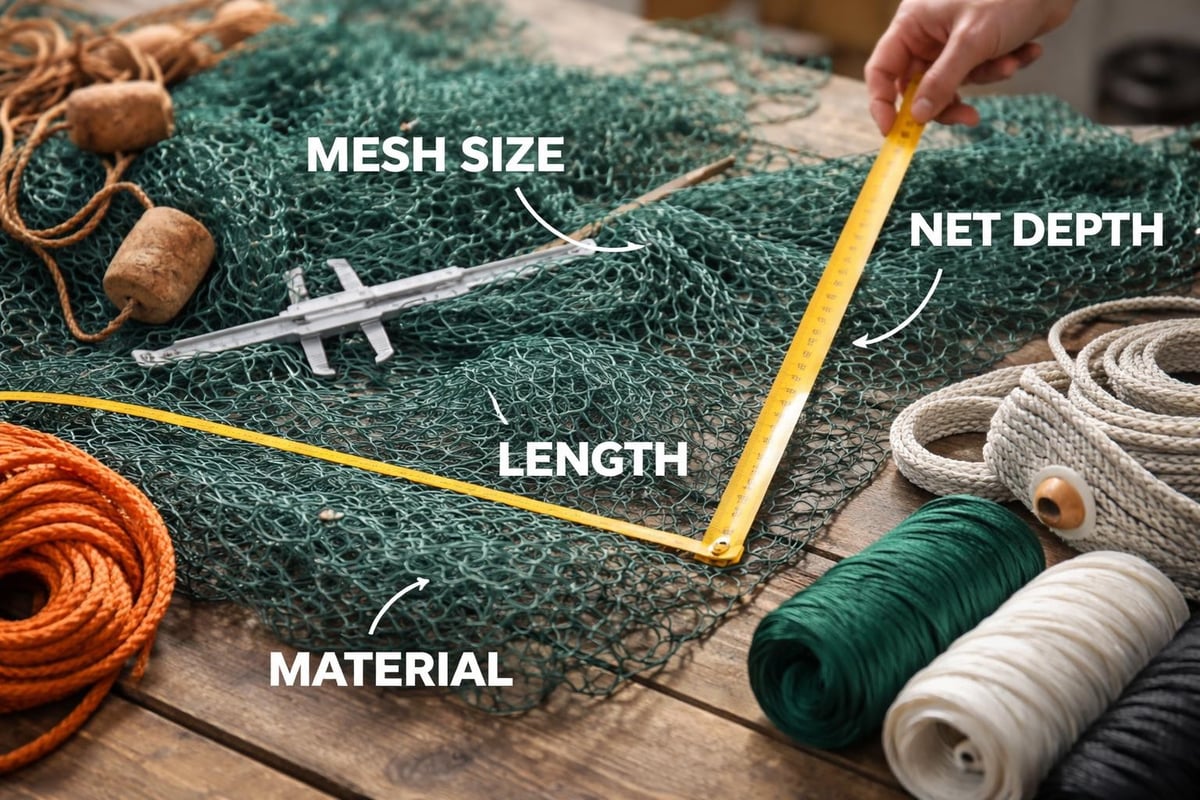
When evaluating fishing nets large enough for commercial operations, several critical specifications determine performance and durability. The mesh size, net depth, and overall dimensions must align with target species, fishing methods, and vessel capabilities.
Mesh Size and Material Selection
Mesh dimensions directly influence selectivity and catch efficiency. Commercial operations typically work with mesh sizes ranging from 40mm for smaller species to 150mm or larger for pelagic fishing.
Common material options include:
- High-density polyethylene (HDPE) for durability and UV resistance
- Nylon for superior strength and elasticity
- Polyester for minimal stretch and consistent performance
- Braided multifilament for enhanced flexibility
According to global fishing nets market analysis, material innovation continues to drive improvements in net longevity and environmental performance. The choice between these materials depends on fishing environment, target species, and budget considerations.
Dimensional Requirements for Commercial Operations
Fishing nets large enough for commercial fleets must accommodate specific vessel sizes and fishing techniques. Typical commercial nets range from 100 meters to over 1,000 meters in length, with depths varying from 20 to 200 meters depending on application.
| Net Type | Typical Length | Typical Depth | Primary Application |
|---|---|---|---|
| Seine Nets | 200-800m | 30-100m | Pelagic species |
| Trawl Nets | 50-300m | 20-80m | Bottom fishing |
| Gill Nets | 100-1000m | 10-50m | Passive fishing |
| Purse Seine | 300-1200m | 50-200m | School fish |
Material Durability and Performance Factors
The longevity and effectiveness of fishing nets large in scale depend heavily on material quality and construction methods. Commercial operations in Pacific waters face unique challenges including UV exposure, saltwater corrosion, and mechanical stress from hauling operations.
Breaking Strength and Load Capacity
Professional-grade nets must withstand substantial forces during deployment and retrieval. Breaking strength ratings typically range from 50kg to over 300kg per strand, depending on twine thickness and material composition.
Modern manufacturing processes ensure consistent twine diameter and knot strength. Quality control measures verify that each section meets specified load requirements before the net enters service.
UV Resistance and Chemical Treatments
Tropical and subtropical fishing zones subject nets to intense solar radiation. UV inhibitors integrated during manufacturing extend service life by 40-60% compared to untreated materials.
Treatment options include:
- UV stabilizers bonded at molecular level
- Anti-fouling compounds to prevent marine growth
- Rot-resistant treatments for extended storage
- Color-fast dyes that maintain visibility
The fishing gear industry statistics reveal that properly treated nets can achieve service lives exceeding five years in demanding commercial applications.
Application-Specific Net Configurations
Different fishing methods require distinct net designs. Understanding these configurations helps operators select fishing nets large enough to meet their specific operational requirements.
Purse Seine Networks
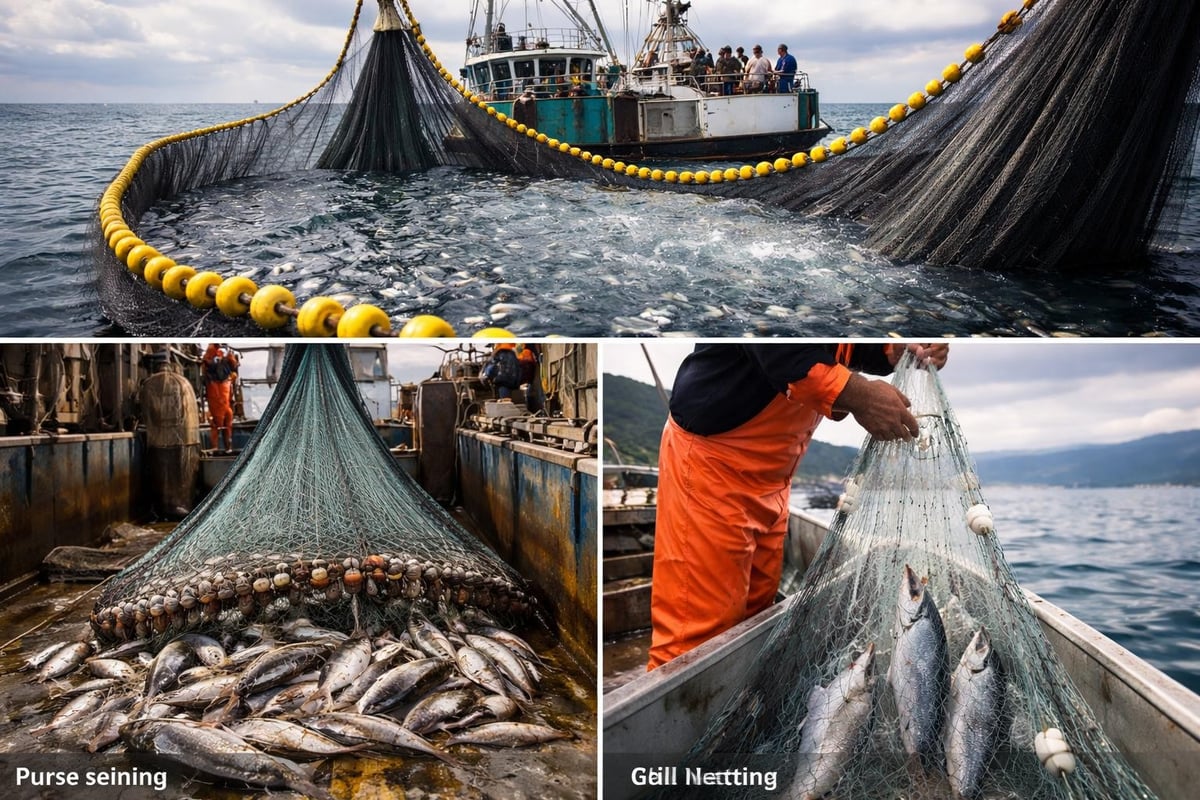
Purse seines rank among the largest fishing nets deployed globally. These massive structures encircle entire schools of fish before cinching closed at the bottom like a drawstring purse.
A typical commercial purse seine measures 300-1200 meters in length and 50-200 meters in depth. The net features reinforced edges, multiple bridle systems, and a strengthened purse line capable of supporting the entire loaded weight.
Trawl Net Systems
Bottom trawls and midwater trawls utilize conical net designs towed behind vessels. These fishing nets large in mouth opening require precise engineering to maintain proper shape during operation.
- Mouth opening dimensions determined by trawl doors and bridle configuration
- Taper ratio calculated to optimize water flow and species retention
- Codend specifications designed for catch containment and fish welfare
- Wing and body panels constructed with graduated mesh sizes
Action Outdoors Limited specializes in manufacturing trawl configurations suitable for New Zealand and Pacific fishing conditions, ensuring quality fishing equipment meets regional operational demands.
Gill Net Arrays
Gill nets operate as passive barriers where fish become entangled while attempting to pass through. Commercial gill net operations often deploy multiple panels creating walls extending hundreds of meters.
These modular systems allow fisheries to adjust total length based on fishing grounds and target abundance. Individual panels typically measure 50-100 meters, connected with specialized clips or rope sections.
Manufacturing Standards and Quality Assurance
The production of fishing nets large enough for commercial use requires sophisticated manufacturing capabilities and rigorous quality control protocols.
Production Scale and Capacity
Leading manufacturers maintain production capacities measured in hundreds of thousands of meters annually. This volume ensures consistent availability while supporting price competitiveness through economies of scale.
Action Outdoors Limited produces over 350,000 meters of ready-to-use fishing nets each year, supporting commercial and community fisheries throughout the Pacific region. This production volume enables rapid turnaround times for standard configurations while maintaining customization capabilities.
Quality Testing Protocols
Critical quality checkpoints include:
- Knot strength verification using calibrated tension testing
- Mesh dimension consistency across entire net length
- Twine diameter measurements at regular intervals
- Breaking load testing of sample sections
- UV resistance validation through accelerated aging
The fishing nets market research indicates that quality assurance investments directly correlate with customer retention and operational safety records.
Customization Capabilities
While standard configurations serve many applications, fishing operations often require specialized modifications. Custom options include reinforced sections for high-stress areas, integrated flotation systems, and species-specific mesh patterns.
| Customization Type | Application Benefit | Production Impact |
|---|---|---|
| Reinforced Edges | Extended service life | +15% material cost |
| Custom Mesh Patterns | Improved selectivity | +10% production time |
| Integrated Floats | Simplified deployment | +20% unit cost |
| Color Coding | Fleet management | Minimal increase |
Regulatory Compliance and Sustainability
Modern fishing operations must balance productivity with environmental stewardship. Fishing nets large in scale carry proportional responsibility for sustainable resource management.
Mesh Size Regulations
Fisheries management authorities establish minimum mesh sizes to protect juvenile fish and maintain breeding populations. These regulations vary by region, target species, and fishing method.
New Zealand fishing operators should reference current fishing rules and regulations to ensure compliance with mesh requirements. Pacific Island nations maintain similar frameworks adapted to local species and ecosystems.
Ghost Gear Prevention
Lost or abandoned nets pose significant environmental risks. Responsible operators implement tracking systems, regular inspections, and recovery protocols to minimize ghost fishing incidents.
Prevention strategies include:
- Net identification tags with ownership information
- Regular maintenance schedules to prevent breakage
- Proper storage systems when not deployed
- Recovery plans for accidental loss situations
- Participation in cleanup initiatives
Biodegradable and Eco-Friendly Options
Research into sustainable net materials continues advancing. While traditional synthetics remain dominant due to performance characteristics, emerging materials offer improved end-of-life outcomes.
The SOLAQUA dataset research demonstrates how technology assists in monitoring net condition and deployment practices in aquaculture settings, supporting both productivity and environmental goals.
Procurement and Cost Considerations
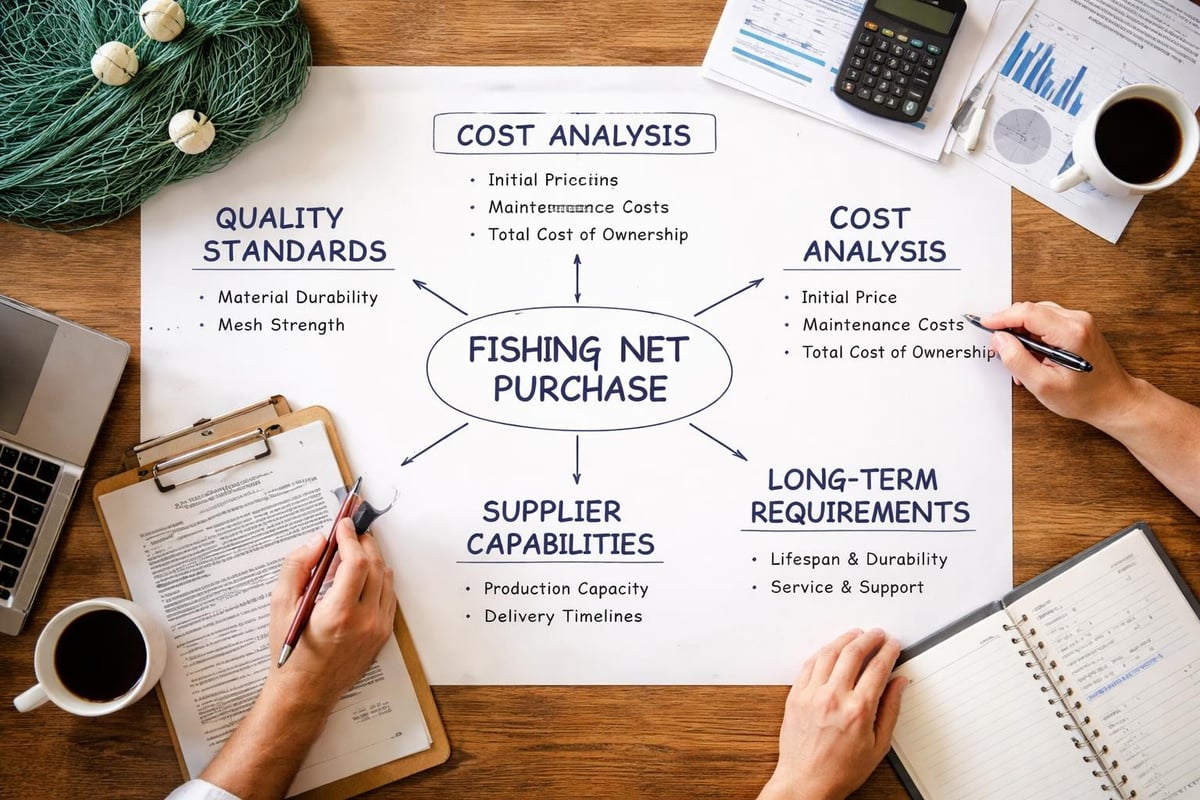
Investing in fishing nets large enough for commercial operations requires careful financial planning and supplier evaluation.
Price Structure Analysis
Net pricing reflects multiple factors including material costs, manufacturing complexity, customization requirements, and order volume. Commercial-grade nets typically range from $3,000 to over $50,000 depending on size and specifications.
Cost components include:
- Raw material expenses (40-50% of total)
- Manufacturing labor (20-30%)
- Quality control and testing (5-10%)
- Shipping and logistics (10-15%)
- Customization charges (variable)
Bulk purchasing and established supplier relationships often yield 15-25% cost reductions compared to spot market pricing.
Total Cost of Ownership
Purchase price represents only one element of net economics. Operational lifespan, maintenance requirements, and replacement frequency significantly impact long-term costs.
| Factor | Impact on TCO | Optimization Strategy |
|---|---|---|
| Initial Quality | High | Invest in proven materials |
| Maintenance | Medium | Implement inspection schedules |
| Storage Conditions | Medium | Proper drying and protection |
| Repair Capability | Low-Medium | Stock repair materials |
| Resale Value | Low | Plan for full depreciation |
Supplier Selection Criteria
Choosing the right net manufacturer affects both immediate costs and long-term operational success. Evaluation criteria should extend beyond price to encompass reliability, technical support, and customization capabilities.
Working with established manufacturers like Action Outdoors Limited provides access to technical expertise, consistent product quality, and responsive customer service. Regional suppliers offer advantages in shipping costs, communication, and understanding of local fishing conditions.
Maintenance and Repair Protocols
Proper care extends the service life of fishing nets large in scale, protecting operational investments and ensuring consistent performance.
Inspection Schedules
Regular examination identifies developing issues before they compromise net integrity. Commercial operators typically inspect nets after every 10-20 fishing trips, with comprehensive evaluations quarterly.
Inspection checklist items:
- Mesh tears or excessive wear patterns
- Knot degradation or separation
- Flotation system integrity
- Rope and bridle condition
- Hardware corrosion or damage
Cleaning and Storage Best Practices
Saltwater, marine growth, and UV exposure degrade net materials over time. Proper cleaning removes contaminants while gentle handling prevents unnecessary stress.
- Rinse thoroughly with fresh water after each use
- Remove biological material and debris promptly
- Dry completely before storage to prevent mildew
- Store in shaded area away from direct sunlight
- Avoid contact with chemicals and petroleum products
The latest fishing innovations include automated cleaning systems that reduce labor while improving net longevity.
Repair Techniques and Materials
Minor damage addressed promptly prevents extensive deterioration. Most fishing operations maintain repair capabilities onboard or at port facilities.
Professional repairs match original twine specifications and knot patterns, maintaining structural integrity throughout the net. Patching materials should duplicate the original mesh size and material composition for consistent performance.
Technology Integration and Modern Innovations
Advanced technologies are transforming how operators deploy and manage fishing nets large enough for commercial operations.
Sensor Systems and Monitoring
Embedded sensors provide real-time data on net position, catch volume, and structural integrity. These systems enable data-driven decisions that optimize fishing efficiency while reducing environmental impact.
Modern sensor arrays measure water temperature, fish behavior patterns, and net geometry during deployment. The Fishnet Open Images Database exemplifies how technology supports fish detection and categorization, informing net design and deployment strategies.
Material Science Advancements
Ongoing research continues improving net materials. Recent innovations include ultra-high molecular weight polyethylene fibers offering superior strength-to-weight ratios and enhanced abrasion resistance.
According to competitive landscape analysis, leading manufacturers invest heavily in material development to maintain market position and meet evolving regulatory requirements.
Digital Design and Prototyping
Computer-aided design systems enable precise net specification before manufacturing begins. Virtual modeling identifies potential issues and optimizes configurations for specific applications.
This technology reduces development costs and accelerates the customization process, allowing fisheries to obtain exactly the fishing nets large enough to meet their unique requirements without excessive trial-and-error.
Regional Considerations for Pacific Fisheries
Pacific Ocean fishing operations face distinct challenges requiring specialized net specifications and deployment strategies.
Environmental Conditions
Tropical and subtropical waters present unique operational parameters. Higher water temperatures, intense UV radiation, and diverse marine species require careful material selection and net design.
Pacific fisheries benefit from nets manufactured with enhanced UV protection and materials resistant to warm-water degradation. Regional suppliers understand these requirements and stock appropriate configurations.
Species-Specific Requirements
Pacific fish species exhibit different behavior patterns and size distributions compared to Atlantic or Arctic populations. Fishing nets large enough for Pacific operations must account for these biological factors.
Target species considerations include:
- Tuna schools requiring rapid encirclement capabilities
- Bottom fish populations demanding durable trawl materials
- Reef species necessitating selective mesh configurations
- Pelagic migrations affecting seasonal net requirements
Logistical Factors
Remote Pacific fishing grounds create supply chain challenges. Extended distances from manufacturing centers increase shipping costs and lead times, making reliable regional suppliers particularly valuable.
Manufacturers serving Pacific markets maintain inventory specifically configured for regional needs. This approach reduces wait times and ensures consistent product availability throughout fishing seasons.
Fleet Management and Inventory Optimization
Commercial fishing operations typically maintain multiple nets in various configurations, creating inventory management challenges.
Rotation Systems
Systematic net rotation extends overall fleet life while ensuring consistent performance. Operators typically deploy nets in sequence, allowing adequate drying and inspection time between uses.
A well-designed rotation schedule balances operational demands with maintenance requirements. Most commercial operations maintain 30-50% surplus capacity to accommodate repairs and seasonal variations.
Standardization Benefits
Limiting net variety simplifies inventory management, training, and repair operations. Standardized configurations enable crew members to work efficiently with any net in the fleet.
Standardization advantages include:
- Reduced spare parts inventory
- Simplified crew training requirements
- Faster deployment and retrieval
- Streamlined repair processes
- More effective cost tracking
Tracking and Documentation
Comprehensive records support operational planning and regulatory compliance. Modern fleet management systems track individual net history including deployment dates, catch volumes, maintenance activities, and repair costs.
Digital tracking enables data analysis revealing patterns in net performance, informing replacement schedules and specification adjustments for future purchases.
Training and Operational Safety
Safe handling of fishing nets large in scale requires proper training and adherence to established protocols.
Deployment Procedures
Controlled net deployment prevents entanglement hazards and equipment damage. Crew training emphasizes communication, timing, and situational awareness during these critical operations.
Standard operating procedures detail step-by-step deployment sequences, equipment checks, and emergency protocols. Regular drills maintain crew proficiency and identify procedural improvements.
Retrieval Techniques
Hauling operations subject nets to maximum stress while creating potential safety hazards. Power winches, hydraulic systems, and manual handling all require careful coordination.
- Verify hydraulic systems before initiating retrieval
- Maintain clear deck areas to prevent tripping hazards
- Monitor net condition during hauling process
- Use appropriate personal protective equipment throughout
- Follow weight limit guidelines to prevent equipment failure
Emergency Response Planning
Equipment failures, weather changes, and unexpected circumstances require immediate, effective responses. Comprehensive emergency plans address scenarios including net tears, equipment malfunctions, and crew injuries.
Regular safety training keeps emergency procedures fresh in crew minds. Simulation exercises test response capabilities under realistic conditions.
Selecting and maintaining fishing nets large enough for commercial operations requires balancing technical specifications, material quality, operational requirements, and budget constraints. Understanding these factors ensures fisheries make informed decisions that support both productivity and sustainability goals. Whether you're upgrading existing equipment or establishing new operations, Action Outdoors Limited offers New Zealand-made quality, expert guidance, and comprehensive support for commercial fishing operations throughout the Pacific region.
Leave a comment