

Metal Fishing Nets: Materials, Durability & Applications
Metal fishing nets represent a specialized segment within the broader fishing equipment industry, offering unique advantages for specific commercial and industrial applications. While traditional fishing nets constructed from synthetic materials like nylon and polyethylene dominate most fishing operations, metal-based alternatives provide exceptional durability, strength, and resistance to certain environmental conditions. Understanding when and how to utilize metal fishing nets can significantly impact operational efficiency, particularly for commercial fisheries in the Pacific region that face demanding marine environments and require equipment capable of withstanding intensive use.
Understanding Metal Fishing Nets and Their Construction
Metal fishing nets incorporate metallic components into their design, ranging from fully metal mesh structures to hybrid systems that combine metal reinforcements with traditional netting materials. These specialized nets serve distinct purposes within commercial fishing operations, aquaculture facilities, and industrial marine applications.
Primary Metal Materials Used
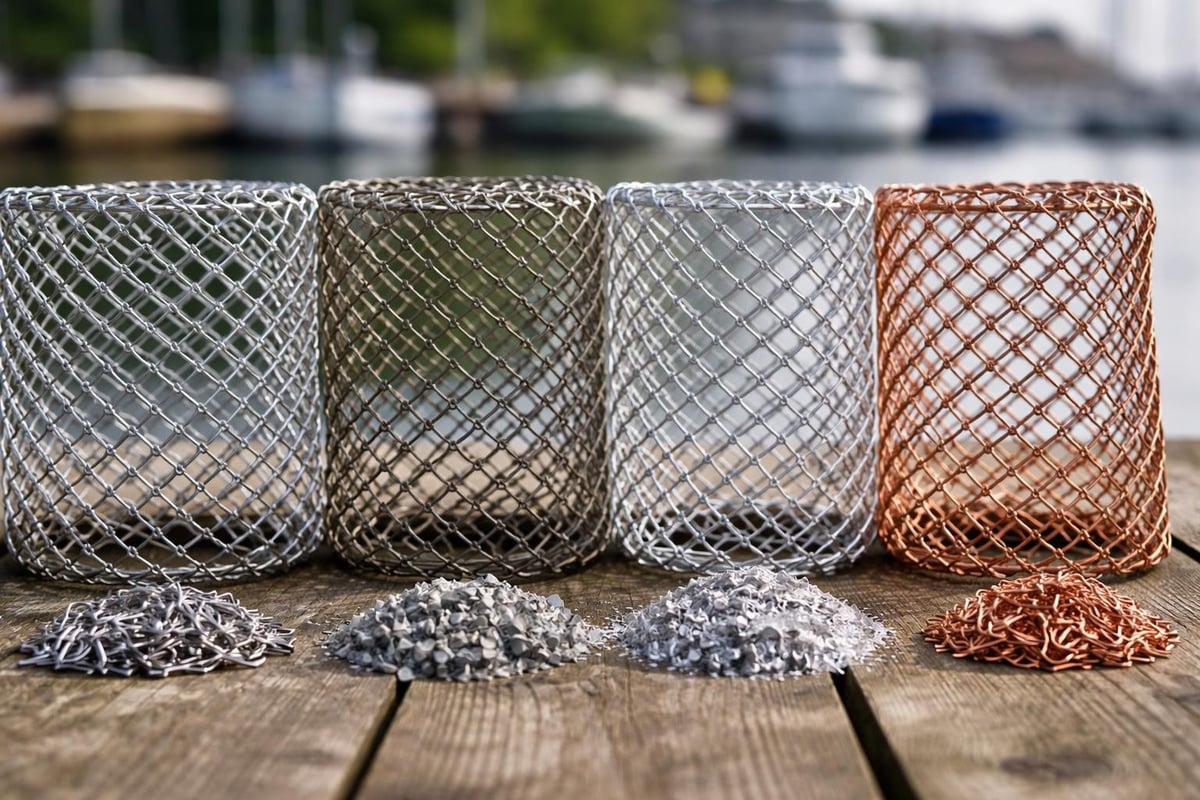
The construction of metal fishing nets typically involves several key materials, each offering specific properties suited to different operational requirements:
- Stainless steel wire mesh provides exceptional corrosion resistance and maintains structural integrity in saltwater environments
- Galvanized steel offers cost-effective durability with protective zinc coating
- Aluminum alloys deliver lightweight construction while maintaining reasonable strength
- Copper-based materials provide natural biofouling resistance through antimicrobial properties
Manufacturers select materials based on factors including deployment duration, target species, environmental conditions, and budget constraints. Commercial operations in New Zealand and Pacific Island markets often prioritize stainless steel marine-grade products for their superior longevity in harsh saltwater conditions.
Structural Design Variations
Metal fishing nets come in various configurations designed for specific applications. Fully welded metal mesh systems create permanent structures ideal for aquaculture cages and protective barriers. Chain-link metal netting provides flexible yet durable solutions for bottom trawling operations. Hybrid designs incorporate metal leader lines, reinforced frames, or weighted components with traditional synthetic netting materials.
| Net Type | Metal Component | Primary Application | Durability Rating |
|---|---|---|---|
| Full Metal Mesh | 100% metal construction | Aquaculture cages | Excellent (10+ years) |
| Reinforced Hybrid | Metal frame/leaders | Commercial trawling | Very Good (5-8 years) |
| Weighted Chain | Metal weights/chains | Bottom fishing | Good (3-5 years) |
| Protective Barrier | Stainless steel mesh | Shark/predator protection | Excellent (10+ years) |
Commercial Applications and Operational Advantages
Metal fishing nets excel in specific commercial scenarios where traditional synthetic materials prove inadequate. Understanding these applications helps operators make informed equipment decisions that optimize both performance and return on investment.
Aquaculture and Fish Farming Operations
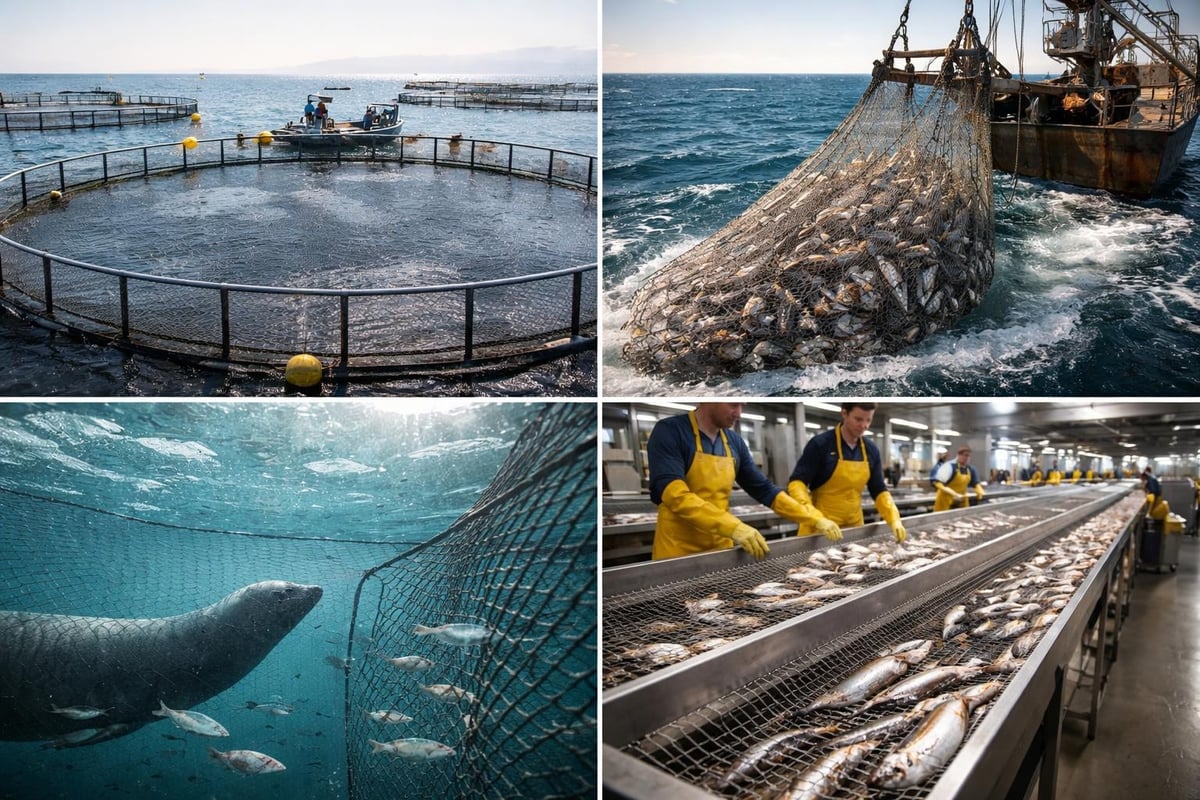
Aquaculture facilities extensively utilize metal fishing nets for containment systems, protective barriers, and sorting equipment. Stainless steel mesh cages provide long-term durability while resisting biofouling more effectively than synthetic alternatives. The rigid structure prevents escape and deters predators, essential considerations for commercial fish farming operations throughout the Pacific.
Research on fishing net aging and metal uptake demonstrates how environmental exposure affects performance over time. Metal nets generally maintain structural integrity longer than synthetic options, though operators must monitor for corrosion in high-salinity environments.
Bottom Trawling and Heavy-Duty Applications
Commercial bottom trawling operations subject equipment to extreme mechanical stress as nets contact rocky seabeds and coral structures. Metal fishing nets with reinforced components or fully metal construction withstand this abrasion far better than standard synthetic materials. Chain-link metal netting particularly suits these demanding conditions.
- Extended operational lifespan reduces replacement frequency
- Superior abrasion resistance minimizes mid-season failures
- Maintained mesh integrity ensures consistent catch quality
- Reduced downtime translates to improved profitability
For operators seeking comprehensive fishing equipment solutions, exploring wholesale fishing accessories provides valuable insights into complementary gear that enhances metal net performance.
Predator Protection Systems
Metal fishing nets serve critical roles in protecting valuable catch from predators during commercial operations. Shark-resistant metal mesh barriers protect fish holds and live wells aboard vessels. Stainless steel netting installed around aquaculture pens deters seals, dolphins, and large predatory fish while allowing water circulation.
The antimicrobial properties of certain metals also reduce biofouling accumulation, maintaining net effectiveness longer than synthetic alternatives. This characteristic proves particularly valuable in warm Pacific waters where biological growth occurs rapidly.
Material Properties and Environmental Considerations
Understanding the physical and chemical properties of metal fishing nets helps operators select appropriate equipment while managing environmental responsibilities. Different metals interact with marine environments in distinct ways, affecting both performance and ecological impact.
Corrosion Resistance and Longevity
Saltwater environments challenge all fishing equipment, but metal fishing nets face particular corrosion risks without proper material selection and maintenance. Stainless steel grades 304 and 316 offer varying levels of corrosion resistance, with 316 providing superior performance in marine applications due to molybdenum content.
The protective oxide layer on stainless steel self-repairs when scratched, maintaining corrosion resistance throughout the net's service life. Galvanized coatings on steel provide economical protection but require periodic inspection and recoating for long-term use.
Metal Leaching and Environmental Impact
Environmental consciousness increasingly influences equipment selection in commercial fishing. Research examining fishing net potential for pollutant adsorption highlights how nets interact with marine contaminants. Metal fishing nets may release trace metals into surrounding water, particularly as corrosion progresses.
Responsible operators consider these factors when selecting materials:
- Marine-grade stainless steel minimizes environmental metal release
- Proper disposal protocols prevent abandoned nets from becoming long-term pollutant sources
- Regular maintenance reduces accelerated corrosion and associated metal leaching
- Material certification ensures compliance with environmental regulations
Maintenance Requirements and Lifecycle Management
Metal fishing nets demand different maintenance approaches compared to synthetic alternatives. Proper care extends service life and maintains operational efficiency while reducing environmental impact.
Inspection and Damage Detection
Regular inspection identifies developing issues before they compromise net integrity. Visual examination reveals obvious damage, but advanced methods provide more comprehensive assessment. Technologies for damage detection in fishing nets using image processing can identify subtle weaknesses in metal mesh structures.
Key inspection points include:
- Weld integrity at junction points in fully metal nets
- Corrosion progression particularly in areas of mechanical stress
- Wire breaks in mesh construction that compromise containment
- Connection points between metal and synthetic components in hybrid designs
Cleaning and Biofouling Management
Biofouling accumulation affects metal fishing nets differently than synthetic materials. While metal surfaces resist some biological growth better than plastics, marine organisms still colonize these structures. Studies on microbial communities associated with fishing nets reveal complex ecosystems developing on submerged equipment.
| Cleaning Method | Effectiveness | Cost | Frequency |
|---|---|---|---|
| High-pressure washing | Good for surface growth | Low | Monthly |
| Chemical treatment | Excellent for deep cleaning | Medium | Quarterly |
| Mechanical brushing | Moderate effectiveness | Very Low | Bi-weekly |
| Ultrasonic cleaning | Excellent for small components | High | As needed |
Operators should establish regular cleaning schedules based on deployment conditions and observed fouling rates. Warmer Pacific waters accelerate biological growth, necessitating more frequent maintenance than temperate regions.
Repair Techniques and Component Replacement
Repairing metal fishing nets requires specialized skills and equipment compared to synthetic net mending. Welding damaged stainless steel mesh demands proper technique to maintain corrosion resistance at repair sites. Wire weaving can restore mesh integrity for minor damage, while severe structural failures may necessitate panel replacement.
Comparing Metal and Synthetic Fishing Nets
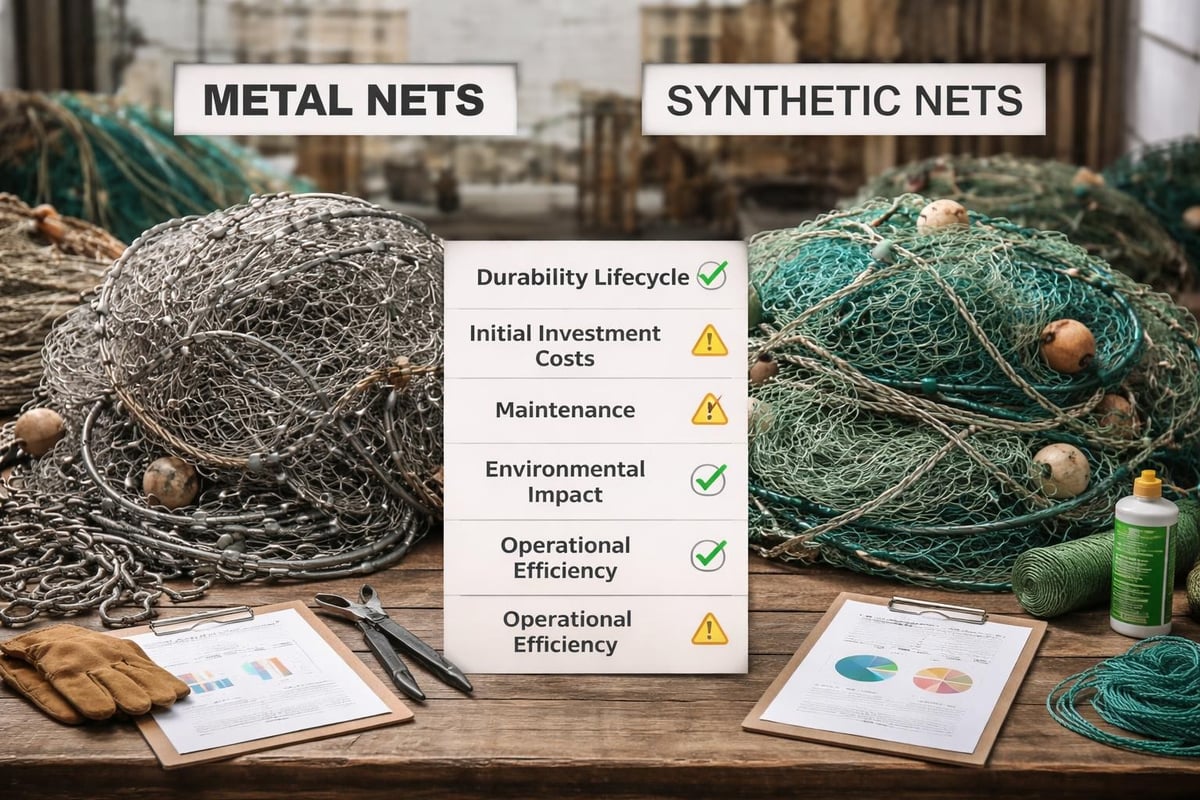
Commercial operators must weigh metal fishing nets against traditional synthetic alternatives, considering factors beyond initial purchase price. Understanding fishing net types provides broader context for equipment selection decisions.
Performance Metrics Analysis
Metal fishing nets excel in specific performance categories while synthetic materials dominate others. Strength-to-weight ratios favor some synthetic high-performance fibers like Dyneema, yet metal provides superior abrasion resistance. Flexibility and handling ease typically favor synthetic materials, particularly important for larger operations with frequent net deployment and retrieval.
Strength and Durability:
Metal fishing nets withstand mechanical stress that would quickly destroy synthetic alternatives. This advantage becomes critical in rocky bottom environments or when handling large, powerful species. The rigid structure also maintains shape better under load, improving catch efficiency in certain applications.
Weight and Handling:
Synthetic nets significantly outperform metal in terms of weight-to-strength ratios and handling characteristics. Operators deploying and retrieving nets frequently prefer lighter synthetic materials that reduce physical labor and mechanical stress on vessel equipment. Metal nets work best in permanent or semi-permanent installations where frequent handling isn't required.
Cost-Benefit Considerations
Initial investment in metal fishing nets typically exceeds synthetic alternatives substantially. However, lifecycle cost analysis often reveals different results when factoring in replacement frequency, maintenance costs, and operational efficiency.
A commercial operation investing in quality stainless steel metal fishing nets might spend 3-5 times more initially than equivalent synthetic nets. However, if those metal nets last 10 years versus 2-3 years for synthetic alternatives, the long-term cost advantage becomes clear. Additional factors include reduced downtime for repairs and maintenance, improved catch quality from maintained mesh integrity, and lower environmental impact from fewer replacement cycles.
Specialized Applications in Pacific Fisheries
Pacific Island fisheries face unique challenges that make metal fishing nets particularly valuable for certain operations. Understanding regional fishing practices and environmental conditions helps operators select optimal equipment configurations.
Tropical Water Considerations
Warm Pacific waters accelerate both biological fouling and chemical corrosion processes. Metal fishing nets in these environments require careful material selection and aggressive maintenance schedules. Marine-grade stainless steel 316 provides the corrosion resistance necessary for tropical deployment, while regular cleaning prevents excessive biofouling accumulation.
The diverse species targeted throughout Pacific fisheries demand versatile equipment. Metal fishing nets serve effectively for reef fish aggregation devices, aquaculture operations supporting local food security, and protective systems for high-value species like tuna during live transport.
Integration with Traditional Fishing Methods
Pacific Island communities combine traditional fishing knowledge with modern equipment to optimize sustainable harvests. Metal fishing nets complement traditional techniques by providing durable infrastructure for community fishing grounds and aquaculture projects. The longevity of properly maintained metal nets aligns well with communal equipment ownership models common throughout the region.
Commercial operations supplying Pacific markets must understand both modern efficiency demands and traditional fishing values. Equipment that delivers reliable performance over extended periods without constant replacement fits well within island logistics and economic models.
Future Developments and Innovation
The fishing equipment industry continues evolving, with metal fishing nets benefiting from materials science advances and manufacturing technology improvements. Understanding emerging trends helps commercial operators prepare for future equipment decisions.
Advanced Alloy Development
Metallurgical research produces new alloys offering improved performance characteristics for marine applications. Titanium-enhanced stainless steels provide exceptional corrosion resistance while reducing weight compared to traditional stainless steel. Aluminum alloys with improved strength characteristics enable lighter metal fishing nets without sacrificing durability.
These material advances command premium prices currently, limiting adoption to specialized high-value applications. As manufacturing scales increase and costs decrease, broader commercial availability will expand metal fishing net applications.
Smart Net Technology Integration
Emerging technologies integrate sensors and monitoring systems into fishing equipment, including metal fishing nets. Embedded systems can track net position, monitor catch accumulation, detect structural damage, and provide real-time operational data to vessel operators. Metal fishing nets particularly suit these integrations due to their rigid structures and electrical conductivity.
The fishing equipment landscape continues diversifying, with operators accessing increasingly specialized solutions. Staying informed through resources like essential fishing equipment guides helps commercial fisheries identify relevant innovations as they emerge.
Regulatory Compliance and Industry Standards
Commercial fishing operations must navigate complex regulatory frameworks governing equipment specifications and environmental protection. Metal fishing nets face particular scrutiny regarding metal leaching, ghost fishing prevention, and sustainable fishing practices.
Environmental Regulations
Jurisdictions throughout the Pacific implement varying regulations addressing fishing equipment environmental impact. Metal fishing nets must comply with standards limiting toxic metal release into marine environments. Operators should verify material certifications confirming compliance with relevant regulations before purchasing equipment.
Proper disposal protocols for retired metal fishing nets prevent environmental contamination while enabling material recycling. Unlike synthetic nets that create persistent marine debris, metal components can be recovered and recycled, reducing environmental footprint.
Safety Standards
Workplace safety regulations govern fishing equipment handling and deployment. Metal fishing nets present different hazards than synthetic alternatives, including greater weight, sharp edges from damaged mesh, and potential electrical conductivity concerns. Operations utilizing metal fishing nets should implement appropriate safety protocols addressing these specific risks.
Metal fishing nets deliver exceptional performance for specialized commercial applications where durability, strength, and longevity outweigh the higher initial investment and handling challenges. From aquaculture containment to predator protection systems, these specialized tools serve critical roles in modern fishing operations. Whether you're expanding existing commercial operations or equipping new facilities across Pacific markets, Action Outdoors Limited provides the expertise and comprehensive product range to meet your fishing and marine equipment needs with reliable New Zealand-made quality.
Leave a comment