

Trout Fishing Lures NZ: Complete 2026 Selection Guide
New Zealand's pristine lakes, rivers, and streams offer some of the world's finest trout fishing opportunities, attracting anglers from across the globe. Selecting the right lures can make the difference between a successful day on the water and returning empty-handed. Understanding which trout fishing lures NZ conditions demand requires knowledge of local species behavior, water clarity, seasonal patterns, and regional regulations. This comprehensive guide explores the most effective lure types, selection strategies, and proven techniques that will help both novice and experienced anglers maximize their success throughout 2026 and beyond.
Understanding New Zealand Trout Species and Their Feeding Behavior
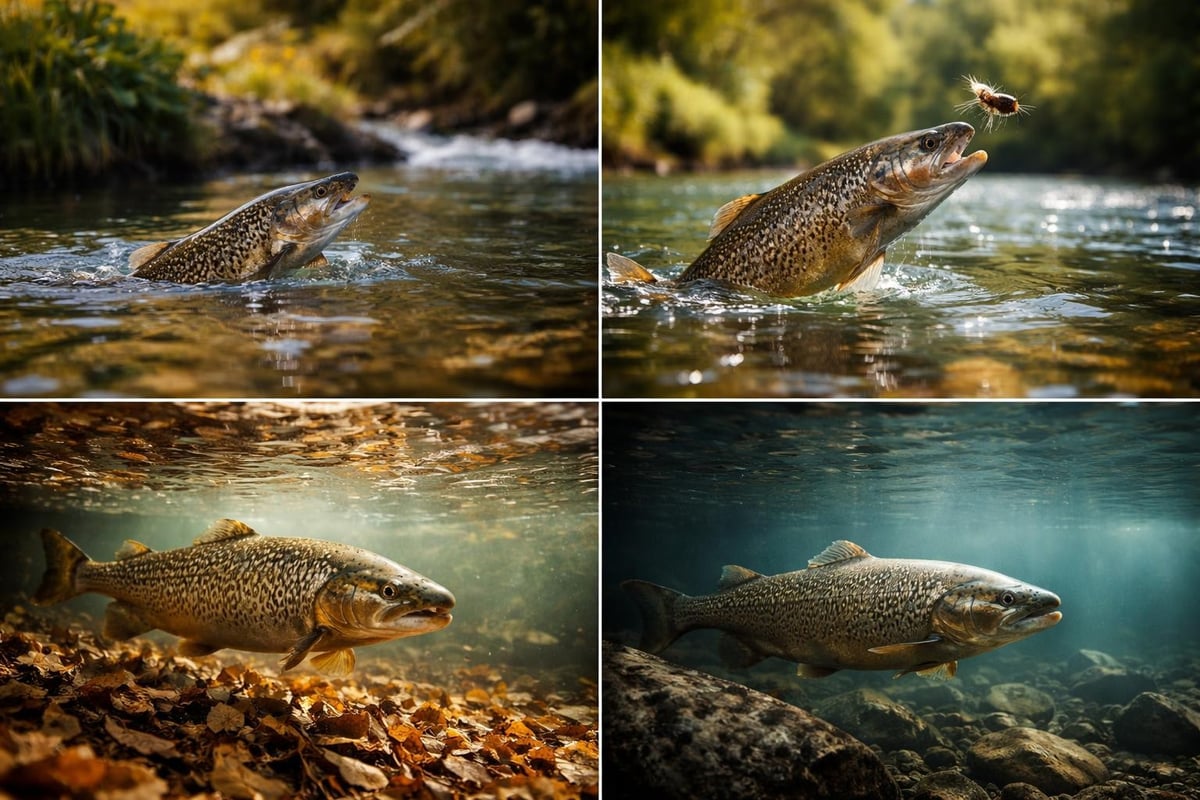
Rainbow and brown trout dominate New Zealand's freshwater ecosystems, with each species exhibiting distinct feeding preferences that influence lure selection. Rainbow trout tend to be more aggressive, often striking at faster-moving presentations with bright colors and erratic actions. Brown trout, conversely, display more cautious behavior, particularly in pressured waters, preferring subtle presentations that closely mimic natural prey.
Water temperature significantly impacts trout metabolism and feeding activity. During warmer months, trout become more active and responsive to a wider range of lure styles. Colder water slows their metabolism, requiring anglers to downsize presentations and slow retrieval speeds. Understanding these behavioral patterns helps anglers choose appropriate trout fishing lures NZ waters demand throughout different seasons.
Seasonal Feeding Patterns
- Spring (September-November): Trout feed aggressively after winter, targeting emerging insects and baitfish
- Summer (December-February): Peak feeding activity occurs during cooler morning and evening periods
- Autumn (March-May): Pre-winter feeding increases as trout prepare for colder months
- Winter (June-August): Reduced activity requires slower, smaller presentations near deeper holding areas
Spinner Lures for New Zealand Trout Fishing
Spinner lures remain among the most versatile and effective options for targeting trout across diverse New Zealand environments. The rotating blade creates vibration and flash that triggers predatory instincts, making spinners particularly effective in stained or flowing water where visibility is reduced. Spinner lures designed for New Zealand waters come in various blade configurations, each offering distinct advantages.
Inline spinners feature a blade mounted on a straight wire shaft, producing continuous rotation during retrieval. These lures work exceptionally well in rivers and streams where current assists blade rotation. Popular sizes range from #0 to #3, with smaller sizes suited to clear water and cautious fish, while larger spinners excel in murky conditions or when targeting bigger specimens.
Spinner Selection Guide
| Spinner Type | Best Conditions | Blade Size | Target Depth |
|---|---|---|---|
| Inline (French) | Rivers, streams | #0-#3 | Shallow to mid |
| Safety pin | Lakes, slow water | 1/8-1/4 oz | Variable |
| Beetle spin | Ultra-clear water | Micro-#1 | All depths |
| Weighted spinners | Deep pools | 1/4-1/2 oz | Deep |
Color selection plays a crucial role in spinner effectiveness. Silver and gold blades mimic baitfish scales, working well in bright conditions. Copper and brass blades produce subtle flash ideal for low-light periods or heavily pressured waters. Body colors should match local forage, with brown, olive, and black representing common aquatic insects, while white and chartreuse provide high visibility.
Spoon Lures and Their Applications
Spoon lures have proven their effectiveness for trout fishing lures NZ anglers rely on, particularly when targeting trout in lakes and larger rivers. The wobbling action of a well-designed spoon closely mimics injured baitfish, triggering aggressive strikes from both rainbow and brown trout. Spoon lures specifically designed for New Zealand waters comply with local regulations while delivering proven performance.
The curved metal design creates erratic swimming action that proves irresistible to predatory trout. Casting spoons allow anglers to cover water efficiently, while trolling spoons enable systematic exploration of larger lake areas. Weight selection determines casting distance and running depth, with lighter spoons (1/8-1/4 oz) suited to shallow presentations and heavier options (3/8-3/4 oz) reaching deeper zones.
Popular Spoon Patterns
Hammered finishes create additional flash and vibration, enhancing attractiveness in murky water or low-light conditions. Smooth finishes produce subtler presentations ideal for clear water and selective trout. Many successful anglers carry multiple spoon weights and finishes to adapt to changing conditions throughout the day.
The benefits of using spoon lures extend beyond their fish-catching ability. Spoons cast exceptionally well, allowing anglers to reach distant structure or cover water efficiently. Their simple design minimizes tackle box clutter while offering versatility across diverse fishing scenarios. Just as anglers benefit from quality lures, having reliable equipment like those featured in essential fishing accessories ensures successful outings.
Trolling Lures for Lake Fishing
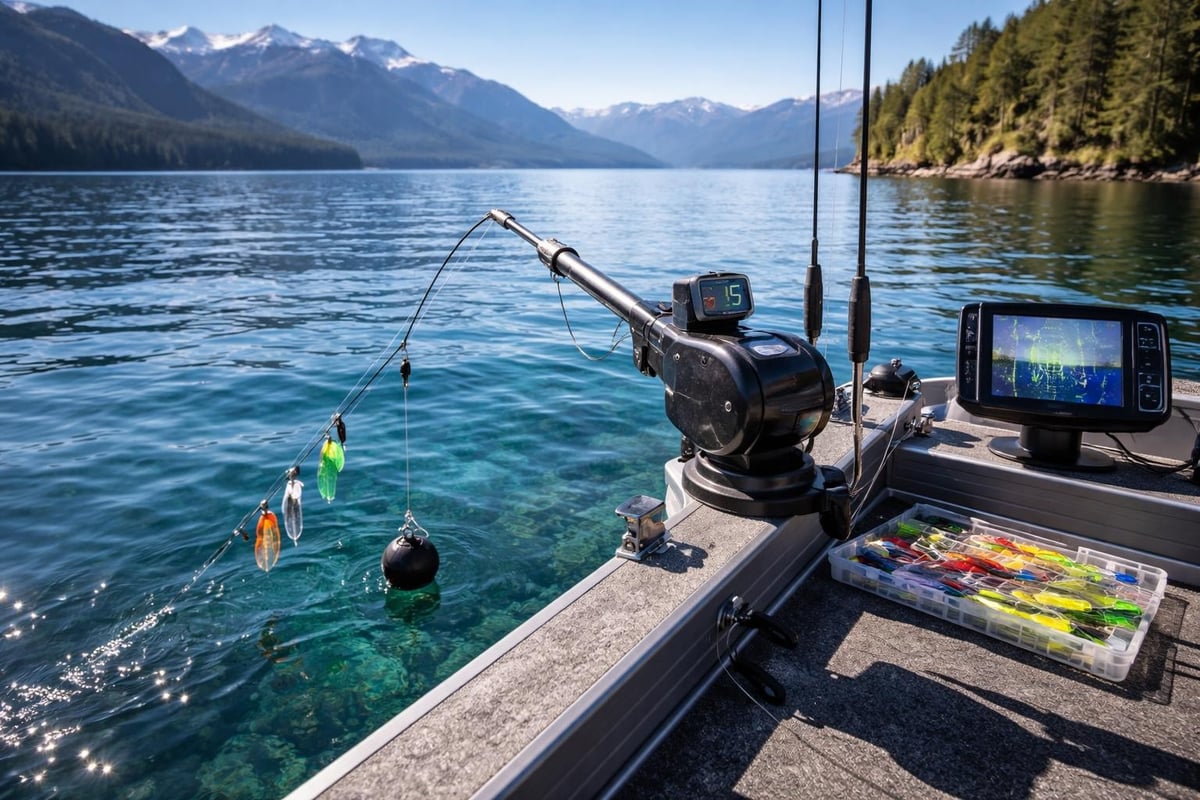
Trolling represents one of the most productive methods for locating and catching trout in New Zealand's larger lakes. Specialized trolling lures designed for this technique combine fish-attracting features like vibration, flash, and lifelike swimming action. The Trout Killer Trolling Lure in Rainbow Trout pattern exemplifies modern trolling lure design with its darting action and advanced technology.
Trolling speed significantly impacts lure action and presentation depth. Most trout trolling occurs between 1.5 and 3.5 knots, with speed adjustments based on water temperature and fish activity. Faster speeds suit warmer water and active fish, while slower presentations work better in cold conditions or when targeting cautious brown trout.
Trolling Lure Color Selection
- Natural patterns: Rainbow trout, brown trout, smelt imitations for clear water
- Bright colors: Chartreuse, orange, pink for stained water or low light
- Dark silhouettes: Black, purple, dark blue for bright sunny conditions
- Holographic finishes: Enhanced flash in moderate to deep water
Advanced trolling lures incorporate technologies that enhance their effectiveness. The Black Sparkle variant offers exceptional performance when trolled at variable speeds, while holographic chrome options maximize visibility in deeper water where light penetration decreases. Some anglers also prefer red pearl patterns for their effectiveness during dawn and dusk feeding periods.
Downriggers and lead-core line allow precise depth control, critical for consistently placing lures in productive zones. Temperature and oxygen levels determine where trout hold, typically between 10-15 meters in summer and shallower depths during cooler months. Electronics help identify thermoclines and baitfish concentrations, enabling targeted lure placement.
Soft Plastic and Hard-Bodied Lures
Soft plastic lures have gained popularity among New Zealand trout anglers seeking realistic presentations. These versatile offerings mimic everything from aquatic insects to small fish, with rigging options ranging from weightless presentations to jig heads. Curl-tail grubs, paddle-tail swimbaits, and stick baits all produce results when matched to local forage and fishing conditions.
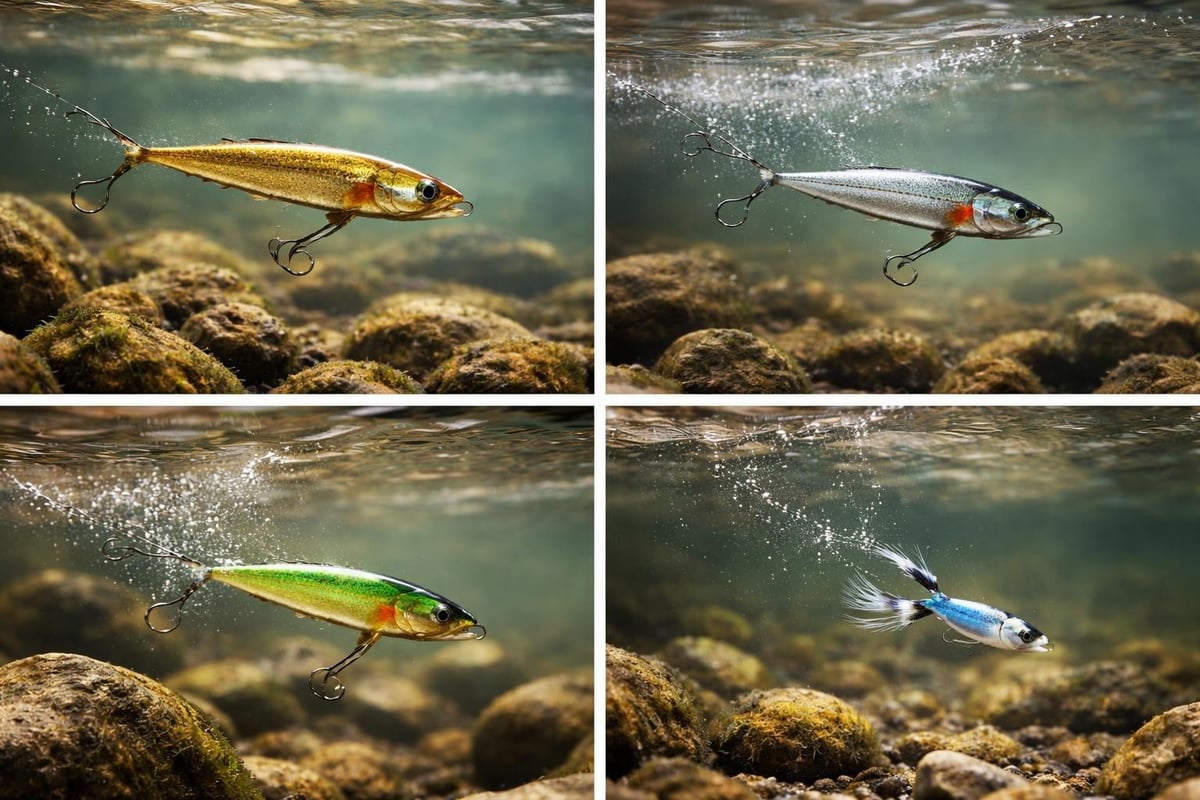
Hard-bodied crankbaits and minnow lures excel in specific scenarios. Shallow-running crankbaits work well over weed beds and structure, while deep-diving models probe bottom areas where larger trout often hold. Suspending minnow baits prove deadly when trout feed on smelt or small baitfish, particularly in lakes where these forage species are abundant.
Lure Action Styles
| Action Type | Characteristics | Best Applications | Retrieval Method |
|---|---|---|---|
| Tight wobble | Subtle side-to-side movement | Clear water, pressured fish | Steady, slow retrieve |
| Wide wobble | Aggressive swimming action | Stained water, active fish | Moderate to fast retrieve |
| Rolling | Rotating body motion | Deep water, vertical jigging | Lift-drop technique |
| Darting | Erratic, unpredictable | Reaction strikes, search mode | Stop-and-go retrieve |
Building an Effective Lure Collection
Creating a well-rounded trout fishing lures NZ tackle box requires strategic selection rather than indiscriminate accumulation. Comprehensive trout lure sets offer excellent starting points, providing variety across different lure types, sizes, and colors. These multi-lure packages enable anglers to experiment with various presentations while developing preferences based on local conditions.
Experienced anglers typically organize lures by type and application rather than by species. A functional collection should include:
- 3-5 spinner patterns in different blade sizes and colors
- 4-6 spoon lures covering various weights and finishes
- Multiple trolling lures for different depths and conditions
- Selection of soft plastics with appropriate jig heads
- Hard-bodied lures for specific structure fishing
Budget allocation should prioritize proven patterns over trendy options. While new lure designs constantly emerge, classic patterns like Toby spoons, Mepps spinners, and Rapala minnows continue producing consistent results. Quality matters more than quantity, as well-constructed lures maintain their action and finish through extensive use.
Matching Lures to Water Conditions
Water clarity dramatically influences lure selection and color choices. Clear water demands natural colors and subtle presentations, while stained or murky water requires larger profiles and brighter colors to maximize visibility. Spinning lures suitable for various conditions provide flexibility across different water clarities commonly encountered in New Zealand fisheries.
Clear Water Strategies:
- Downsize lure profiles by one or two sizes
- Choose natural colors matching local baitfish
- Use fluorocarbon leaders to minimize visibility
- Slow retrieval speeds for thorough inspection
Stained Water Approaches:
- Increase lure size for enhanced vibration and visibility
- Select bright colors like chartreuse, orange, or white
- Focus on lures with rattles or blade components
- Speed up retrieval to trigger reaction strikes
River current also affects lure selection. Faster current requires heavier lures maintaining depth and position, while slower flows allow lighter presentations. Positioning lures to drift naturally with current often outproduces fighting against water flow.
Regulatory Considerations and Conservation
New Zealand enforces specific regulations governing lure types, fishing methods, and harvest limits across different fisheries. Some waters restrict lure sizes or prohibit certain hook configurations. Anglers must verify current regulations for their intended fishing location before heading out, as rules vary between regions and even individual water bodies.
Conservation-minded practices benefit both current anglers and future generations:
- Use barbless hooks or crimp barbs down for easier fish release
- Handle trout minimally and keep them in water when possible
- Practice catch-and-release during spawning periods
- Respect daily bag limits and size restrictions
Sustainable fishing practices ensure New Zealand's trout fisheries remain world-class. While pursuing trophy fish provides exciting challenges, releasing larger breeding-stock trout helps maintain population genetics and future fishing quality. Many experienced anglers now practice selective harvest, keeping occasional smaller fish for the table while releasing larger specimens.
Advanced Lure Presentation Techniques
Beyond basic casting and retrieval, advanced presentation techniques significantly improve trout fishing lures NZ success rates. Twitching retrieves impart erratic action that triggers strikes from following fish. Pause-and-drop sequences allow lures to flutter downward, mimicking injured prey. Varying retrieval speed throughout a cast keeps presentations unpredictable and interesting.
Strategic Casting Approaches
Position matters as much as lure selection. Casting parallel to shorelines or structure keeps lures in productive zones longer than perpendicular casts. Targeting shaded areas during bright conditions locates trout avoiding intense sunlight. Wind-blown shorelines concentrate food sources, creating feeding opportunities that skilled anglers exploit.
Fan-casting systematically covers water, ensuring no productive zone goes unexplored. Begin with short casts and progressively lengthen each subsequent cast, working through a 180-degree arc. This methodical approach proves especially effective when searching unfamiliar water or locating dispersed fish.
Seasonal Lure Selection Strategies
Each season presents unique challenges and opportunities requiring adjusted lure strategies. Spring runoff often brings stained water conditions favoring brighter lures with strong vibration. Summer's warmer temperatures push trout to cooler depths or spring-fed areas, demanding deep-running presentations or weighted lures.
Autumn represents prime fishing as trout feed aggressively before winter. Natural-colored lures mimicking baitfish capitalize on this increased feeding activity. Winter requires downsizing presentations and slowing retrieves to match reduced trout metabolism. Smaller spoons and lightly weighted soft plastics excel during cold months.
Monthly Lure Priorities:
| Month | Primary Lure Type | Secondary Option | Key Colors |
|---|---|---|---|
| January-February | Trolling lures, deep spoons | Weighted soft plastics | Chrome, blue, green |
| March-April | Spinners, casting spoons | Crankbaits | Natural browns, olives |
| May-June | Small spinners, micro spoons | Nymphs, jigs | Black, brown, copper |
| July-August | Ultra-light spoons, jigs | Micro soft plastics | Natural, subdued tones |
| September-October | Medium spinners, spoons | Minnow lures | Bright attractors |
| November-December | Versatile selection | Surface lures | Full spectrum |
Location-Specific Lure Recommendations
Different New Zealand regions feature unique water characteristics influencing lure effectiveness. North Island lakes like Taupo and Rotorua demand trolling lures and deep-running options for their substantial depths and open water. South Island rivers including the Clutha and Mataura favor spinners and spoons fished through runs and pools.
High-country lakes present challenges with their crystal-clear water and educated trout populations. Ultra-natural presentations using smaller lures in subdued colors outperform flashy options. Backcountry streams require compact lure selections carried efficiently, with versatile spinners and small spoons covering most situations.
Coastal streams influenced by tidal flows benefit from lures mimicking whitebait and small marine species. Silver spoons and white soft plastics excel when sea-run trout enter these systems. Understanding regional forage helps anglers select appropriate trout fishing lures NZ locations provide.
Maintenance and Storage Best Practices
Proper lure maintenance extends their lifespan and maintains fish-catching effectiveness. Rinse lures with fresh water after each outing, especially following saltwater or alkaline lake exposure. Inspect hook points regularly, sharpening or replacing as needed. Corroded hooks and split rings compromise landing success and should be replaced promptly.
Storage organization prevents tangles and damage while enabling quick lure selection. Tackle boxes with individual compartments work well for spinners and spoons. Trolling lures benefit from dedicated storage tubes or hanging systems. Soft plastics require sealed containers preventing them from contaminating other tackle or degrading due to chemical reactions.
Maintenance Checklist:
- Inspect and sharpen hooks before each trip
- Replace corroded split rings and swivels
- Touch up chipped paint on hard-bodied lures
- Organize by type and application for quick access
- Remove rust with fine steel wool or specialized products
Temperature-controlled storage protects soft plastics from melting or hardening. Avoid leaving tackle boxes in hot vehicles or direct sunlight for extended periods. Many anglers maintain separate "working" boxes for regular outings and comprehensive storage systems at home containing their full collection.
Selecting effective trout fishing lures requires understanding fish behavior, water conditions, and regional patterns that define New Zealand's diverse fisheries. Success comes from matching presentations to specific situations while maintaining quality gear that performs reliably when opportunities arise. Whether you're pursuing trophy browns in pristine rivers or trolling deep lakes for rainbow trout, having the right equipment makes all the difference. Action Outdoors Limited supports New Zealand anglers with comprehensive fishing and marine equipment backed by local manufacturing expertise and dependable service. Explore our full range of fishing accessories and marine supplies to ensure your next trout fishing adventure is properly equipped for success.
Leave a comment