

Commercial Fishing Store Essentials Guide 2026
Finding a reliable commercial fishing store goes far beyond purchasing basic tackle or recreational gear. For professional fisheries operating across the Pacific, selecting the right supplier means accessing industrial-grade equipment, custom netting solutions, and marine supplies built to withstand demanding commercial operations. Whether you're outfitting a new vessel, replacing worn equipment, or expanding your fishery's capabilities, understanding what distinguishes a professional commercial fishing store from standard retail outlets can significantly impact your operational efficiency and bottom line.
What Defines a Professional Commercial Fishing Store
A true commercial fishing store serves as the backbone of fishery operations, providing specialized equipment that meets regulatory standards while delivering durability in harsh marine environments. Unlike recreational fishing retailers, these suppliers focus on industrial-scale products designed for continuous use and maximum efficiency.
Key characteristics include:
- Bulk supply capabilities for netting, rope, and marine equipment
- Custom fabrication services for specialized fishing gear
- Technical expertise in fishery equipment and applications
- Compliance knowledge regarding commercial fishing regulations and permits
- Export capabilities for Pacific Island markets
Professional suppliers maintain extensive inventories of ready-to-use products while offering customization options. They understand that commercial operations cannot afford downtime, making quick turnaround times essential for maintaining fishing schedules and meeting market demands.
Industry-Specific Product Knowledge
The staff at a specialized commercial fishing store possess deep understanding of fishery operations, including seasonal requirements, species-specific gear configurations, and regional fishing methods. This expertise translates into better equipment recommendations and problem-solving support when operational challenges arise.
Essential Equipment Categories for Commercial Operations
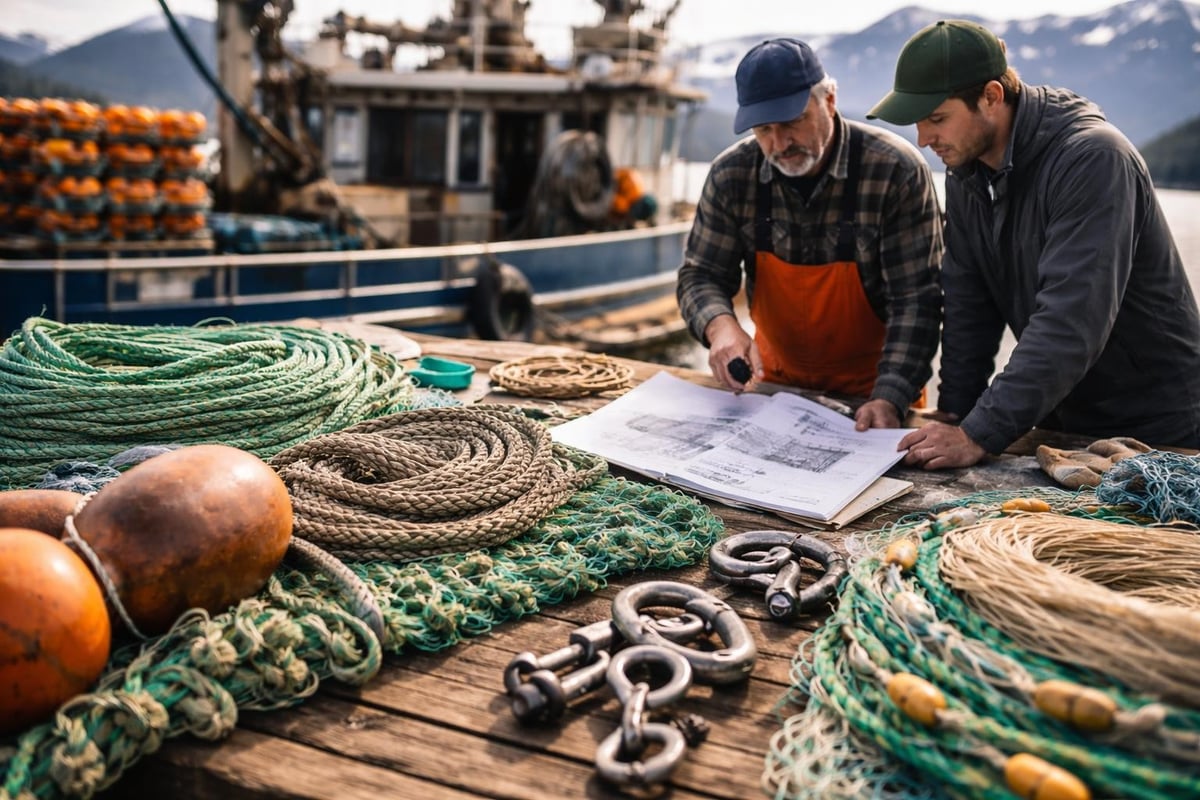
A comprehensive commercial fishing store stocks diverse product categories that support every aspect of fishery operations. Understanding these categories helps operators make informed purchasing decisions and ensures they partner with suppliers offering complete solutions.
| Equipment Category | Primary Applications | Key Considerations |
|---|---|---|
| Fishing Nets | Active fishing operations | Mesh size, durability, species compliance |
| Ropes & Lines | Towing, mooring, lifting | Strength ratings, material composition |
| Floats & Buoys | Net marking, gear positioning | Visibility, buoyancy capacity |
| Marine Hardware | Vessel operation, maintenance | Corrosion resistance, load capacity |
| Safety Equipment | Crew protection, compliance | Certification standards, inspection dates |
Fishing Nets and Netting Solutions
Commercial-grade fishing nets represent the most critical investment for any fishery operation. A quality commercial fishing store offers extensive netting options, from ready-made configurations to custom specifications. Understanding fishing net selection requires evaluating mesh sizes, material strength, and construction methods appropriate for target species and fishing techniques.
Modern netting solutions incorporate advanced materials that balance durability with reduced environmental impact. Suppliers who manufacture their own nets typically provide better quality control and faster customization compared to pure resellers.
Marine Rope and Cordage
Professional fisheries rely on various rope types for different applications. A well-stocked commercial fishing store maintains inventory across multiple materials:
- Manila rope for traditional applications requiring natural fiber
- Nylon rope offering excellent shock absorption and elasticity
- Polyester rope providing superior UV resistance and low stretch
- Polypropylene rope delivering cost-effective floating line solutions
High-strength ropes must meet specific load ratings and environmental resistance standards. Commercial operators should verify rope specifications match their equipment requirements and safety protocols.
Quality Standards and Manufacturing Considerations
The origin and manufacturing process of fishing equipment significantly affects long-term performance and reliability. Commercial fishing operations benefit from partnering with stores that prioritize quality manufacturing and transparent sourcing.
New Zealand-made fishing equipment has earned recognition across Pacific markets for superior craftsmanship and durability. Local manufacturing also provides advantages in customization responsiveness and shorter supply chains, crucial factors when equipment failures threaten fishing schedules.
Volume Production Capabilities
Large-scale fishery operations require suppliers capable of consistent volume production. A commercial fishing store manufacturing over 350,000 meters of fishing nets annually demonstrates both production capacity and market confidence. This scale ensures:
- Consistent product quality across large orders
- Reliable inventory availability during peak seasons
- Competitive pricing through manufacturing efficiency
- Quick replacement capabilities when equipment fails
Understanding your supplier's production capacity helps forecast lead times and plan equipment rotation schedules effectively.
Export and Regional Supply Networks
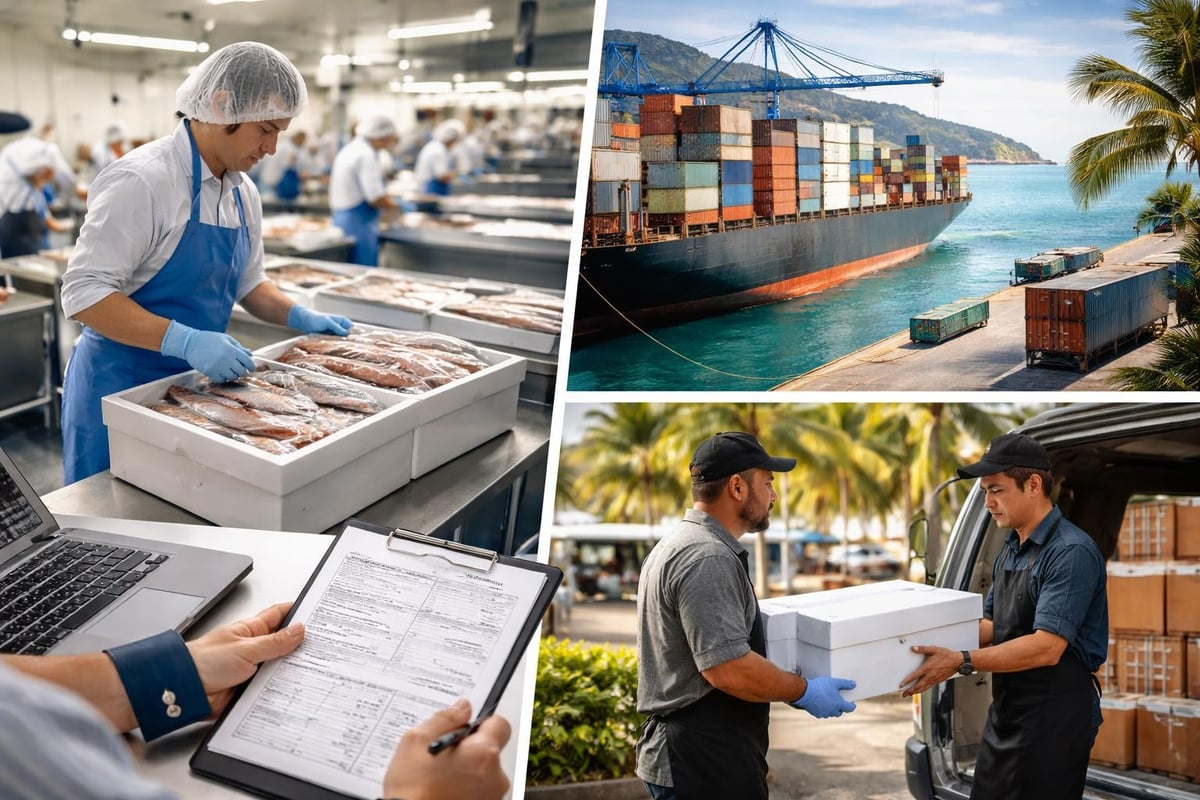
Pacific Island fisheries face unique logistical challenges accessing quality equipment. A commercial fishing store with established export capabilities and regional knowledge provides significant operational advantages. These suppliers understand shipping requirements, documentation procedures, and regional regulatory variations affecting equipment specifications.
Beyond Fishing: Comprehensive Marine and Industrial Solutions
Professional fishery operations require more than fishing-specific equipment. The most valuable commercial fishing store relationships develop when suppliers offer comprehensive solutions addressing multiple operational needs.
Marine Equipment Integration
Commercial vessels rely on diverse marine equipment and boating gear beyond fishing operations. Integrated suppliers provide:
- Navigation and communication systems
- Deck hardware and rigging components
- Vessel maintenance supplies
- Safety and emergency equipment
Consolidating marine equipment purchases through a single supplier streamlines procurement, simplifies vendor management, and often provides pricing advantages through relationship-based volume discounts.
Industrial Equipment for Processing Operations
Many commercial fisheries maintain onshore processing facilities requiring industrial equipment. A commercial fishing store expanding into industrial supplies offers one-stop convenience for:
- Lifting and rigging equipment for catch handling
- Processing facility infrastructure components
- Storage and transportation solutions
- Industrial equipment supporting fishery operations
This diversification reflects understanding that commercial fishing extends beyond the vessel itself, encompassing the entire catch-to-market supply chain.
Technology and Innovation in Commercial Fishing Equipment
The commercial fishing industry continues evolving through technological advancement and environmental innovation. Progressive commercial fishing stores stay current with emerging equipment technologies and sustainable practices shaping the sector's future.
Recent developments in commercial fishing equipment market trends highlight increasing adoption of gear modifications reducing bycatch and environmental impact. For example, California fishermen have embraced pop-up fishing gear technology to reduce whale entanglements, demonstrating how innovation addresses conservation concerns while maintaining operational viability.
Sustainable Fishing Gear Solutions
Environmental responsibility increasingly influences commercial fishing equipment selection. Forward-thinking commercial fishing stores offer sustainable alternatives including:
- Biodegradable netting materials reducing ghost fishing impacts
- Bycatch reduction devices improving species selectivity
- Energy-efficient gear configurations lowering operational costs
- Recycling programs for worn fishing equipment
These innovations align with evolving regulations while supporting industry sustainability initiatives. Fisheries demonstrating environmental responsibility through equipment choices often gain market advantages and regulatory favor.
Equipment Tracking and Management Systems
Modern commercial operations increasingly integrate technology for equipment management. Some commercial fishing stores now offer gear tracking solutions helping fisheries monitor equipment deployment, maintenance schedules, and replacement cycles. These systems optimize equipment utilization and prevent costly operational disruptions from unexpected failures.
Regulatory Compliance and Documentation Support
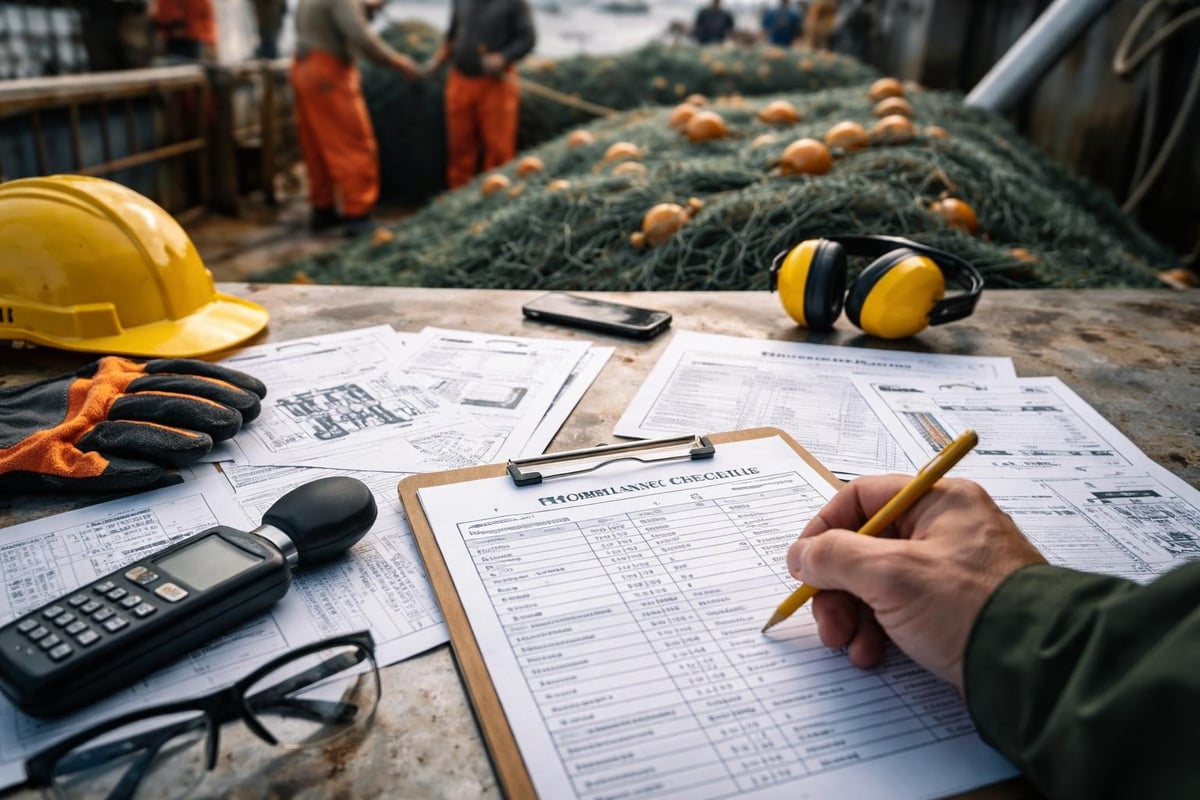
Navigating commercial fishing regulations represents ongoing challenges for fishery operators. The most valuable commercial fishing store relationships include regulatory compliance support helping customers maintain necessary permits and documentation.
Regional fishing regulations vary significantly across Pacific jurisdictions, affecting equipment specifications, seasonal restrictions, and catch reporting requirements. Knowledgeable suppliers help customers understand how equipment choices affect regulatory compliance.
| Compliance Area | Supplier Support Role | Operational Impact |
|---|---|---|
| Gear specifications | Verification of regulatory requirements | Prevents non-compliant equipment purchases |
| Seasonal restrictions | Advisory on timing equipment upgrades | Optimizes equipment replacement schedules |
| Documentation | Template provision for equipment records | Simplifies inspection processes |
| Safety standards | Certification verification | Ensures crew safety compliance |
New Zealand Fishing Regulations and Equipment Standards
For operations based in New Zealand waters, understanding New Zealand fishing rules regarding bag limits, size restrictions, and licensing requirements helps inform equipment selection. A local commercial fishing store familiar with these regulations provides valuable guidance ensuring equipment configurations support compliant operations.
Evaluating Commercial Fishing Store Suppliers
Selecting the right commercial fishing store requires systematic evaluation beyond basic price comparison. Long-term supplier relationships significantly impact operational efficiency, making thorough vetting essential before committing to major equipment purchases.
Manufacturing vs. Reseller Distinction
Understanding whether your supplier manufactures equipment or resells third-party products affects service quality, customization capabilities, and pricing structures. Manufacturers typically offer:
- Direct control over product quality and specifications
- Faster customization turnaround times
- Better technical support and product knowledge
- Potentially lower costs eliminating intermediary markups
Conversely, resellers may provide broader product variety across multiple manufacturers, though with less control over quality and delivery schedules.
Service Capabilities Assessment
Evaluate potential suppliers across these service dimensions:
- Custom fabrication capabilities for specialized requirements
- Emergency replacement inventory for critical equipment
- Technical consultation for equipment selection and configuration
- After-sales support including repairs and maintenance
- Training resources for proper equipment use and care
The best commercial fishing store relationships extend beyond transactional purchasing to ongoing partnership supporting operational success.
Financial Stability and Long-Term Viability
Commercial fishing equipment represents significant capital investment. Partner with financially stable suppliers demonstrating long-term market presence. Indicators of supplier stability include:
- Years in operation and market reputation
- Manufacturing facility ownership vs. contract production
- Customer testimonials and industry references
- Investment in inventory and infrastructure
- Geographic expansion and market growth
Supplier longevity ensures parts availability, warranty support, and consistent product quality across future purchases.
Emerging Trends Shaping Commercial Fishing Supply
The commercial fishing industry faces significant challenges and opportunities shaping how commercial fishing stores serve their markets. Understanding these trends helps operators make forward-looking equipment decisions aligned with industry evolution.
Market analysis reveals transformative trends in commercial fishing equipment including sustainability focus, technological innovation, and regulatory adaptation. These forces reshape product offerings and supplier capabilities.
Environmental and Conservation Pressures
Conservation initiatives increasingly influence commercial fishing practices and equipment requirements. Recent regulatory developments, such as proposed lobster fishing rule changes in New England, illustrate ongoing tension between industry economics and environmental protection.
Commercial fishing stores supporting long-term industry health stock equipment facilitating conservation compliance while maintaining operational efficiency. This includes selective fishing gear, monitoring equipment, and documentation systems supporting sustainable fishing practices.
Market Dynamics and Economic Factors
Commercial fishing economics directly affect equipment purchasing decisions. Recent reports indicate declining volumes and values in U.S. commercial fishing, reflecting market pressures affecting the industry globally. These economic realities emphasize the importance of equipment durability and value retention.
Smart fishery operators partner with commercial fishing stores offering equipment balancing upfront costs with long-term performance and reliability. Total cost of ownership analysis, considering equipment lifespan and maintenance requirements, provides better purchasing guidance than initial price alone.
Practical Purchasing Strategies for Commercial Operations
Developing effective equipment purchasing strategies maximizes value from commercial fishing store relationships while ensuring operational needs are consistently met.
Seasonal Planning and Inventory Management
Commercial fishing follows seasonal patterns affecting equipment requirements. Strategic operators coordinate with their commercial fishing store to:
- Pre-order seasonal equipment during off-peak periods for better pricing
- Schedule maintenance and repairs during low-activity seasons
- Maintain critical spare parts inventory preventing operational disruptions
- Plan equipment upgrades aligning with regulatory changes and technological improvements
Proactive purchasing prevents last-minute emergency orders at premium prices while ensuring equipment availability when needed most.
Building Strategic Supplier Relationships
The most successful commercial fishing operations cultivate partnership relationships with their primary equipment suppliers. Top fishing equipment suppliers recognize and reward loyal customers through preferential pricing, priority service, and customization flexibility.
Strengthen supplier relationships by:
- Consolidating purchases through preferred vendors when practical
- Providing feedback on product performance and improvement opportunities
- Maintaining timely payment practices building financial trust
- Engaging in collaborative planning for future equipment needs
- Participating in product testing and development initiatives
These partnership approaches transform transactional vendor relationships into strategic alliances supporting mutual success.
Exploring Equipment Innovation Opportunities
Stay informed about new fishing equipment innovations potentially improving operational efficiency or regulatory compliance. Progressive commercial fishing stores actively introduce customers to relevant innovations aligning with their specific operational contexts.
Request demonstration opportunities for new equipment before committing to major purchases. Hands-on evaluation helps verify manufacturer claims and assess practical applicability to your specific fishing operations.
Regional Considerations for Pacific Fisheries
Pacific Island commercial fisheries face unique operational contexts affecting equipment requirements and supplier selection. Geographic isolation, diverse fishing traditions, and variable regulatory environments create distinct needs requiring specialized commercial fishing store capabilities.
Export and Shipping Logistics
Pacific Island fisheries often depend on imported equipment from manufacturing centers like New Zealand. Reliable commercial fishing stores serving these markets understand:
- International shipping documentation and customs requirements
- Packaging standards protecting equipment during ocean transport
- Lead time planning accounting for shipping schedules
- Communication practices bridging time zones and distance
These logistical capabilities ensure equipment arrives intact and on schedule, critical factors for remote operations with limited local supply alternatives.
Cultural and Traditional Fishing Methods
Pacific fisheries blend traditional methods with modern equipment and techniques. The best commercial fishing stores respect this balance, offering equipment supporting both contemporary commercial operations and culturally significant fishing practices. This cultural sensitivity strengthens supplier relationships and ensures equipment recommendations align with operational realities.
Selecting the right commercial fishing store fundamentally impacts your fishery's operational success, equipment reliability, and long-term profitability. By evaluating suppliers based on manufacturing capabilities, product quality, service breadth, and regional expertise, you position your operation for sustained success in an evolving industry. Action Outdoors Limited manufactures over 350,000 meters of fishing nets annually while providing comprehensive marine, industrial, and RV equipment solutions to commercial fisheries throughout New Zealand and the Pacific, delivering the quality, service, and expertise professional operations require.
Leave a comment