

Fishing Gear and Accessories: Complete Guide 2026
The success of any fishing operation, whether commercial or recreational, depends heavily on the quality and suitability of your fishing gear and accessories. From robust fishing nets to specialized marine hardware, every component plays a crucial role in determining catch efficiency, safety, and overall productivity. Understanding the diverse range of equipment available and selecting the right combination for your specific needs can transform your fishing experience. This comprehensive guide explores the essential categories of fishing gear and accessories, helping you make informed decisions that enhance performance and durability in challenging marine environments.
Understanding Core Fishing Gear Components
The foundation of successful fishing operations lies in selecting appropriate primary equipment. Fishing nets remain the most critical tool for commercial operations across the Pacific region, with specifications varying dramatically based on target species, water depth, and fishing method. Modern fishing nets must balance strength with flexibility, incorporating materials that resist UV degradation while maintaining optimal mesh configurations.
Fishing Nets: Specifications and Applications
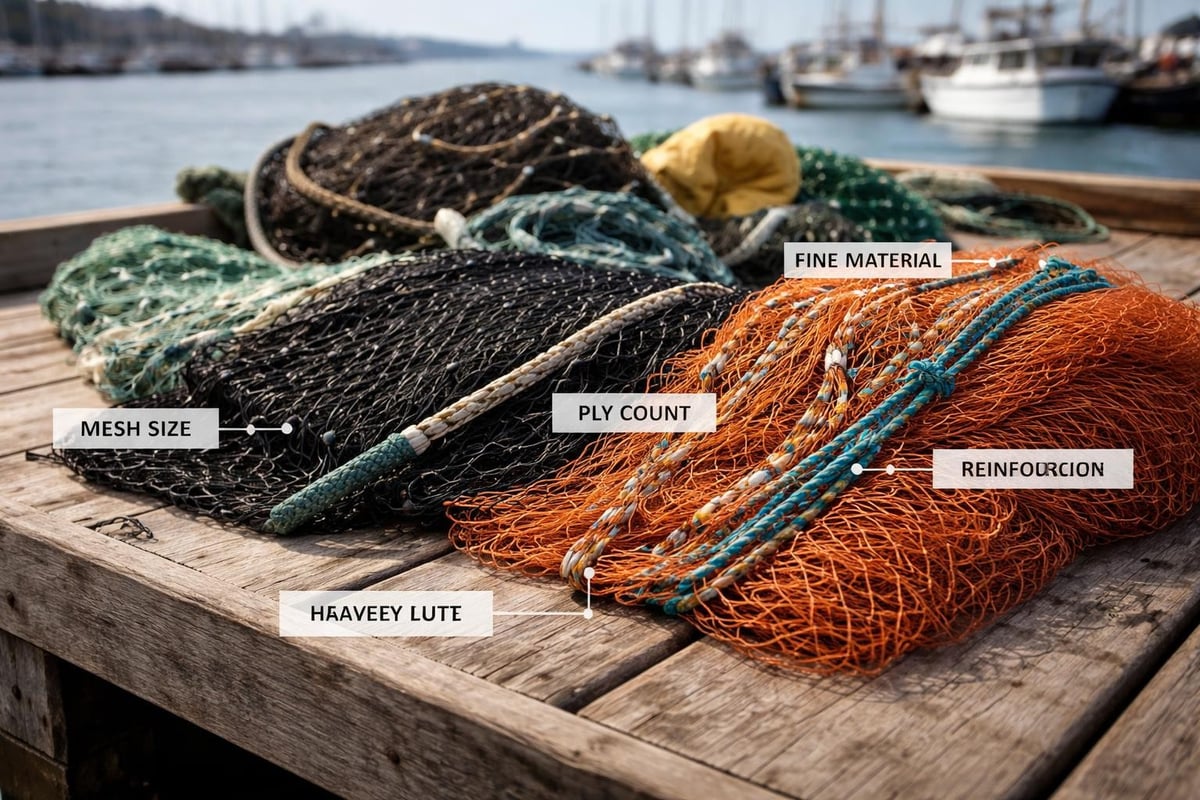
Different fishing scenarios demand distinct net characteristics. Commercial fisheries require nets manufactured to precise specifications, with careful attention to mesh size, ply count, and overall construction quality.
Key net specifications include:
- Mesh size (measured in millimeters or inches)
- Ply count (determines strength and durability)
- Material composition (nylon, polyethylene, or specialized blends)
- Net depth and length configurations
- Reinforcement patterns at stress points
Professional operators understand that investing in quality fishing gear and accessories, particularly nets, directly impacts operational efficiency. New Zealand-made nets, for instance, undergo rigorous quality control to ensure they meet demanding commercial standards. The latest fishing innovations continue to push boundaries in net technology, incorporating advanced materials and construction techniques.
Ropes and Lines: The Connective Tissue
Ropes serve multiple functions in fishing operations, from securing nets to creating tow lines and anchor systems. Manila rope remains popular for its natural fiber properties, excellent grip characteristics, and traditional aesthetic appeal. Synthetic alternatives offer superior strength-to-weight ratios and resistance to marine degradation.
When selecting ropes for fishing applications, consider diameter, break strength, stretch characteristics, and resistance to saltwater exposure. Different rope materials exhibit distinct performance profiles that make them suitable for specific tasks within your fishing operation.
Essential Fishing Accessories for Enhanced Performance
Beyond primary gear, numerous accessories significantly improve fishing efficiency and safety. These components often receive less attention than major equipment but prove equally critical to successful operations.
Floats and Buoys: Maintaining Net Position
Floats keep fishing nets properly positioned in the water column, ensuring optimal catch rates while preventing gear loss. Modern floats come in various sizes, buoyancy ratings, and materials designed for different applications.
| Float Type | Buoyancy Range | Best Application | Material |
|---|---|---|---|
| Standard Round | 2-10 kg | General netting | Polyethylene |
| Oval Commercial | 5-20 kg | Heavy nets | High-density foam |
| Specialty Markers | 1-5 kg | Identification | UV-resistant plastic |
| Deep Water | 15-50 kg | Commercial trawling | Reinforced composite |
Proper float selection ensures your fishing gear and accessories work harmoniously, maintaining consistent net geometry regardless of current conditions or catch weight. The spacing and size of floats directly influence how effectively your net covers the target area.
Hardware and Rigging Components
Specialized hardware connects various fishing gear and accessories into functional systems. Stainless steel components resist corrosion in saltwater environments, though they command premium pricing compared to standard metals.
Critical hardware includes:
- Shackles and snap clips for quick connections
- Swivels to prevent line twist
- Rings and thimbles for load distribution
- Carabiners for temporary attachments
- Wire leaders for toothy species
Each hardware piece must match or exceed the breaking strength of connected components. Understanding must-have fishing accessories helps operators build comprehensive rigging systems that perform reliably under demanding conditions.
Specialized Equipment for Different Fishing Methods
Various fishing techniques require specific gear configurations and accessories. Understanding these distinctions enables you to assemble optimal equipment packages for your chosen fishing style.
Bottom Fishing Gear Requirements
Bottom fishing demands robust equipment capable of withstanding contact with rocky substrates and handling larger species. Comprehensive bottom fishing gear selections include heavy-duty rods, substantial reels with high line capacity, and terminal tackle designed for deep presentations.
Weight systems, sinker designs, and hook patterns all influence bottom fishing success. Circle hooks reduce deep hooking incidents, while specialized sinker shapes minimize snagging on irregular bottom structures. The right combination of fishing gear and accessories maximizes your effectiveness when targeting bottom-dwelling species.
Float Fishing Systems
Float fishing represents an effective technique for targeting suspended species or fishing specific depth zones. Float fishing kits combine specialized floats, line configurations, and presentation methods that keep bait at optimal depths.
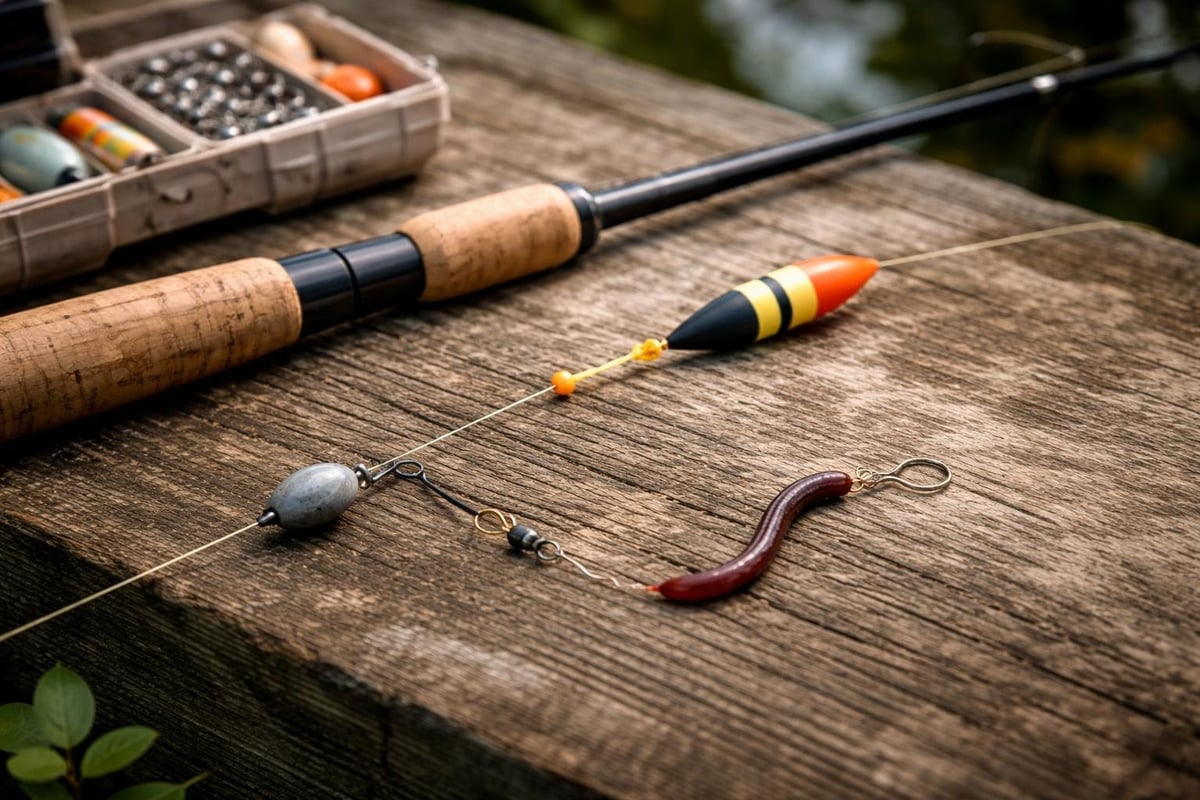
Adjustable float systems allow anglers to modify presentation depth quickly, adapting to changing conditions or fish location. This versatility makes float fishing particularly effective in diverse environments, from shallow estuaries to deeper coastal waters.
Commercial Netting Operations
Large-scale commercial operations require extensive fishing gear and accessories inventories to maintain productivity. Net repairs, replacement components, and backup equipment ensure minimal downtime when gear damage occurs.
Modern commercial fisheries increasingly adopt technology-enhanced approaches. Research into evaluating fishing gear performance using advanced monitoring systems helps operators optimize their methods and equipment selections for maximum efficiency.
Maintenance and Care of Fishing Equipment
Proper maintenance significantly extends the service life of fishing gear and accessories while ensuring reliable performance. Saltwater environments accelerate equipment degradation, making systematic care protocols essential.
Cleaning and Storage Procedures
After each fishing session, thoroughly rinse all equipment with fresh water to remove salt, sand, and organic debris. Pay particular attention to mechanical components like reels, clips, and swivels where salt crystals can cause binding or corrosion.
Maintenance schedule recommendations:
- Immediate post-use: Fresh water rinse, inspection for damage
- Weekly (heavy use): Detailed cleaning, lubrication of moving parts
- Monthly: Comprehensive gear check, replacement of worn components
- Seasonal: Complete inventory review, major repairs or replacements
Nets require special attention, as accumulated debris and biological growth reduce mesh efficiency and increase drag. Regular inspection identifies weak spots before catastrophic failure occurs during critical operations.
Repair and Replacement Strategies
Maintaining an inventory of replacement fishing gear and accessories ensures quick repairs that minimize operational disruption. Common replacement items include float attachments, rope sections, hardware connectors, and net repair materials.
Learning basic net mending techniques allows operators to address minor damage immediately rather than waiting for professional repair services. For commercial operations, this self-sufficiency translates directly into increased productivity and reduced costs.
Selecting Quality Fishing Gear and Accessories
Not all fishing equipment delivers equivalent performance or longevity. Understanding quality indicators helps you make purchasing decisions that provide long-term value rather than short-term savings.
Material Quality Considerations
Premium fishing gear and accessories incorporate materials specifically engineered for marine environments. UV-stabilized plastics resist sun damage that causes brittleness in inferior products. Marine-grade stainless steel (316 grade) offers superior corrosion resistance compared to standard stainless alloys.
| Material Grade | Corrosion Resistance | Cost Factor | Best Use |
|---|---|---|---|
| 316 Stainless | Excellent | 2.5x | Permanent installations |
| 304 Stainless | Good | 1.5x | Replaceable components |
| Galvanized Steel | Moderate | 1.0x | Low-budget applications |
| Aluminum Alloy | Variable | 1.8x | Weight-critical uses |
Net materials similarly vary in quality, with commercial-grade nylon offering superior abrasion resistance and knot strength compared to economy alternatives. The performance difference becomes particularly apparent in demanding commercial applications where equipment failure carries significant financial consequences.
Manufacturing Standards and Certification
Reputable manufacturers maintain consistent quality control throughout production processes. New Zealand-made fishing equipment, for example, adheres to stringent standards that ensure product reliability across diverse Pacific fishing conditions.
When evaluating fishing gear and accessories, consider manufacturer reputation, warranty coverage, and documented performance in similar applications. Reviews from fishing gear specialists provide valuable insights into real-world equipment performance.
Emerging Trends in Fishing Equipment
The fishing industry continuously evolves, incorporating new materials, designs, and technologies that improve efficiency and sustainability. Staying informed about innovations helps operators maintain competitive advantages.
Sustainable and Eco-Friendly Options
Environmental concerns increasingly influence fishing gear and accessories development. Biodegradable fishing lines, recycled plastic floats, and eco-friendly net materials reduce environmental impact without compromising performance.
Modern fisheries also adopt selective gear designs that minimize bycatch and habitat disruption. These innovations align with growing regulatory requirements while supporting long-term fishery health.
Technology Integration
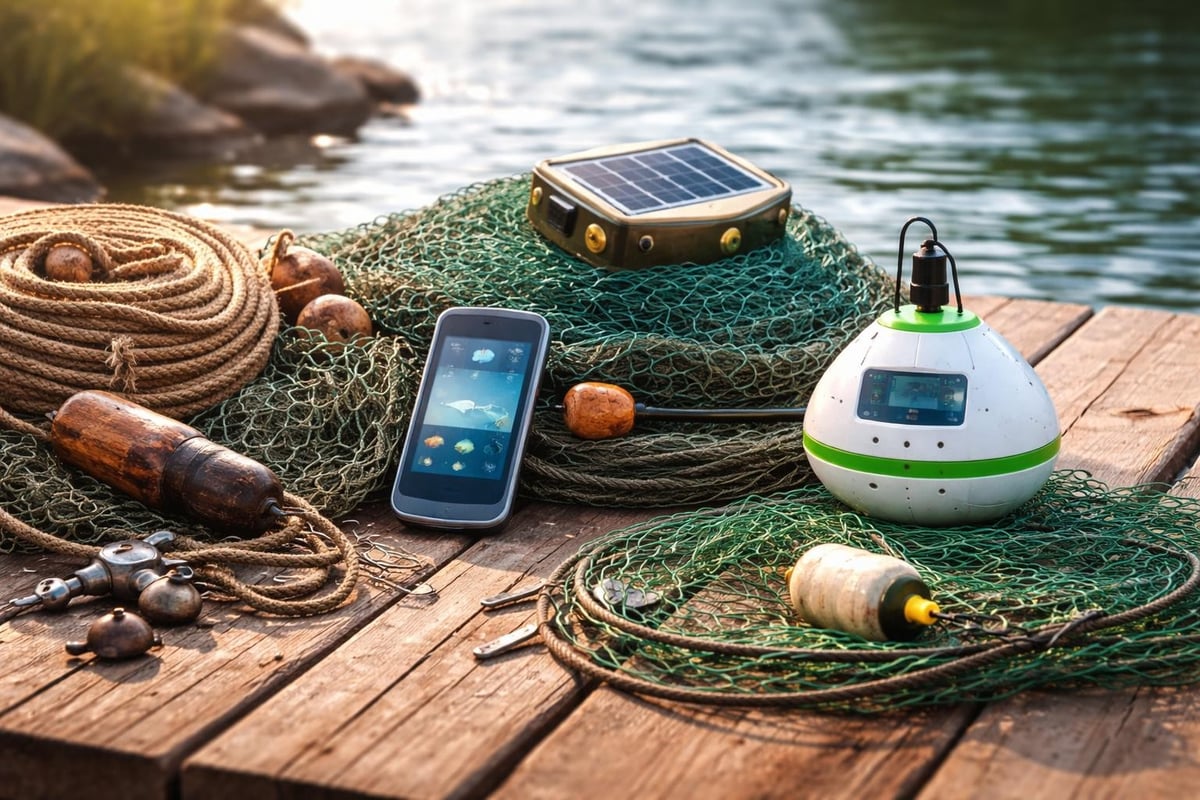
Smart fishing gear incorporates sensors and monitoring systems that provide real-time data about net position, catch volume, and environmental conditions. While these technologies currently serve primarily commercial operations, their costs continue decreasing, making them accessible to smaller operators.
Analysis of fishing gear trends reveals growing interest in equipment that enhances efficiency while reducing environmental footprint. This dual focus shapes product development across the industry.
Building Comprehensive Gear Systems
Effective fishing operations require coordinated systems rather than collections of individual components. Understanding how fishing gear and accessories work together enables you to create optimized configurations for your specific needs.
Component Compatibility
Ensure all system elements match in terms of strength ratings, size specifications, and intended applications. Mixing incompatible components creates weak points that compromise overall system integrity.
For example, connecting heavy-duty nets to undersized ropes creates failure risks at connection points. Similarly, using floats with insufficient buoyancy for net weight results in poor net geometry and reduced catch efficiency.
Scalability and Modularity
Design your fishing gear and accessories inventory for flexibility and expansion. Modular systems allow configuration adjustments as fishing conditions or target species change without requiring complete equipment replacement.
Commercial operators particularly benefit from standardized components that interchange across multiple net configurations. This approach reduces inventory complexity while maintaining operational versatility.
Essential Versus Optional Accessories
Distinguish between critical equipment and convenience items when building your fishing setup. Must-have fishing equipment forms your operational foundation, while optional accessories enhance efficiency or comfort without being strictly necessary.
Priority equipment categories:
- Primary fishing nets or lines appropriate for target species
- Adequate rope and rigging materials
- Essential safety equipment (life jackets, communication devices)
- Basic repair and maintenance supplies
- Weather-appropriate protective clothing
Once core requirements are satisfied, consider accessories like electronic fish finders, advanced bait systems, or specialized holding containers that improve productivity or convenience.
Regional Considerations for Pacific Fisheries
Pacific fishing environments present unique challenges that influence fishing gear and accessories selection. Understanding regional factors ensures your equipment performs optimally in local conditions.
Climate and Weather Impacts
Tropical and subtropical Pacific locations expose equipment to intense UV radiation, elevated temperatures, and frequent precipitation. Select materials and coatings specifically rated for these conditions to prevent premature degradation.
Cyclone seasons demand particular attention to gear security and storage. Properly secured equipment survives severe weather events that destroy inadequately protected gear.
Species-Specific Requirements
Pacific fisheries target diverse species with varying habitat preferences and behavioral patterns. Match your fishing gear and accessories to target species characteristics for optimal results.
Pelagic species require different net configurations than bottom-dwelling fish. Understanding these distinctions enables you to assemble appropriate equipment packages that maximize catch efficiency while complying with regulatory requirements.
Regulatory Compliance
Pacific nations maintain specific regulations governing fishing gear specifications, mesh sizes, and allowable fishing methods. Ensure your fishing gear and accessories comply with all applicable regulations in your fishing areas.
Non-compliant equipment may result in confiscation, fines, or fishing license suspensions that far exceed any cost savings from using substandard or inappropriate gear.
Commercial Versus Recreational Equipment
While sharing fundamental principles, commercial and recreational fishing gear and accessories differ significantly in scale, durability requirements, and cost considerations.
Commercial-Grade Specifications
Commercial fishing demands equipment engineered for continuous use under demanding conditions. Heavier construction, reinforced stress points, and professional-grade materials characterize commercial fishing gear.
Investment costs run substantially higher for commercial equipment, but this expense distributes across much greater usage, yielding favorable long-term economics. Commercial operators prioritize reliability and durability over initial purchase price.
Recreational Fishing Priorities
Recreational anglers typically emphasize portability, versatility, and user-friendliness in their fishing gear and accessories selections. Small fishing kits exemplify this approach, combining essential components in compact, easily transported packages.
While recreational equipment generally features lighter construction than commercial counterparts, quality recreational gear still provides years of reliable service when properly maintained and used within design parameters.
Sourcing Reliable Fishing Equipment
Identifying dependable suppliers for fishing gear and accessories significantly impacts operational success. Established suppliers offer product expertise, warranty support, and consistent availability that prove invaluable.
Manufacturer Direct Versus Retail
Purchasing directly from manufacturers often provides cost advantages for commercial operations requiring substantial equipment quantities. Direct relationships also facilitate custom specifications and rapid response to urgent replacement needs.
Retail suppliers offer convenience and product variety that benefit smaller operators or those requiring diverse equipment types from multiple manufacturers. The optimal sourcing strategy depends on your specific operational scale and requirements.
Quality Verification Methods
Before committing to large purchases, verify product quality through sample testing or trial orders. Examine construction details, material specifications, and actual performance under realistic conditions.
Reputable suppliers provide detailed product specifications, material certifications, and performance data that enable informed comparisons. Avoid suppliers unable or unwilling to document their product characteristics comprehensively.
Optimizing Your Fishing Gear Investment
Maximizing return on fishing gear and accessories investments requires strategic planning and informed decision-making throughout the equipment lifecycle.
Cost-Benefit Analysis
Evaluate equipment costs against expected service life, maintenance requirements, and performance advantages. Premium products commanding higher initial prices often deliver superior long-term value through extended durability and enhanced productivity.
Consider total ownership costs rather than simply purchase price when comparing alternatives. Frequent replacement of inferior equipment ultimately costs more than investing in quality products initially.
Seasonal Planning
Anticipate equipment needs well before fishing seasons commence to avoid rushed purchasing decisions or supply shortages. Off-season equipment procurement often yields better pricing and greater product availability.
Use quiet periods for equipment maintenance, repairs, and inventory organization that prove difficult during active fishing seasons. This preparation ensures all fishing gear and accessories function optimally when needed.
Selecting appropriate fishing gear and accessories requires careful consideration of your specific operational requirements, environmental conditions, and budget constraints. Quality equipment properly maintained delivers years of reliable performance that justifies initial investment costs. Whether outfitting commercial operations or recreational pursuits, partnering with experienced suppliers ensures access to proven products backed by comprehensive support. Action Outdoors Limited manufactures premium fishing nets and supplies comprehensive marine equipment throughout the Pacific region, combining New Zealand quality with expert knowledge to help you succeed on the water.
Leave a comment