

Industrial Fishing Nets: Complete Guide for 2026
Industrial fishing nets represent the backbone of commercial fishing operations worldwide, serving as essential tools that enable the harvesting of seafood at scales necessary to meet global demand. These sophisticated pieces of equipment have evolved significantly over decades, transforming from simple handwoven designs into engineered systems capable of capturing specific species while minimizing environmental impact. Understanding the construction, application, and sustainability considerations surrounding industrial fishing nets helps commercial operators, fishery managers, and marine equipment suppliers make informed decisions that balance productivity with ocean conservation.
Types of Industrial Fishing Nets and Their Applications
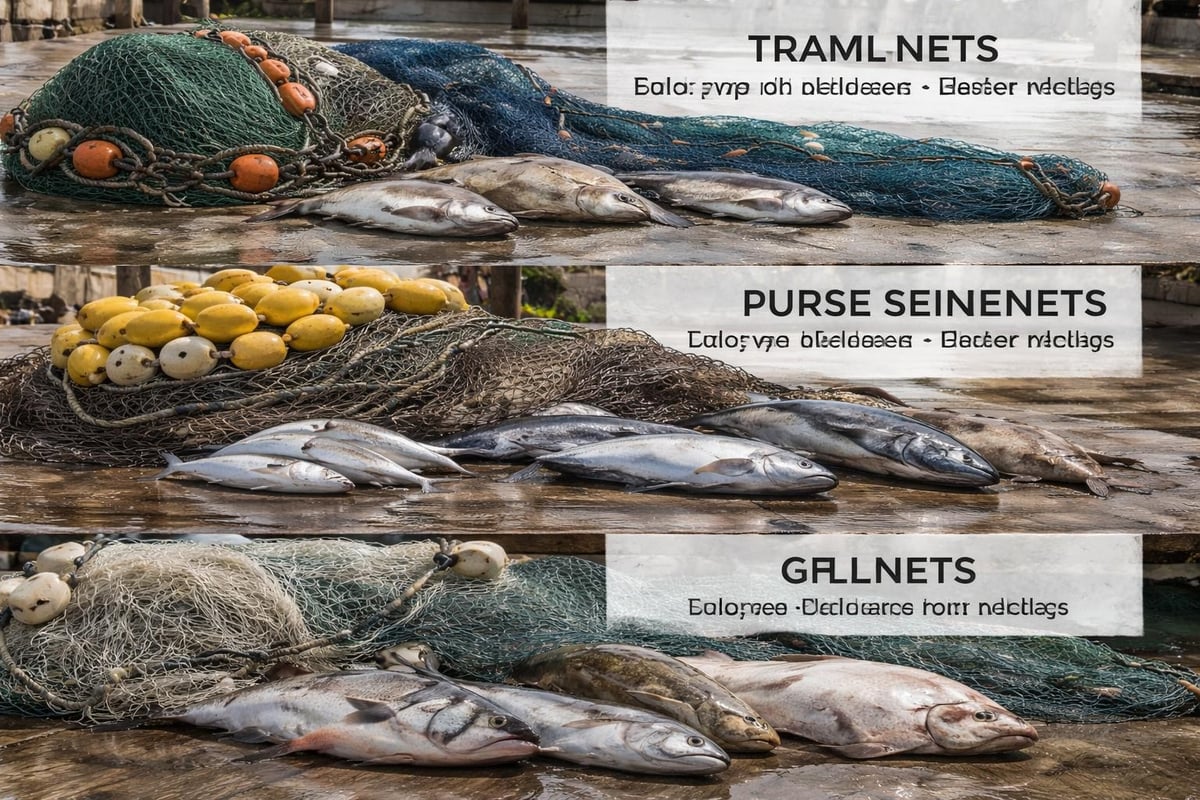
The commercial fishing industry relies on several distinct categories of industrial fishing nets, each designed for specific fishing methods and target species. Trawl nets remain among the most widely used, featuring cone-shaped designs that funnel fish into a codend as vessels move through the water. These nets can be deployed as midwater trawls for pelagic species or bottom trawls that sweep along the seafloor.
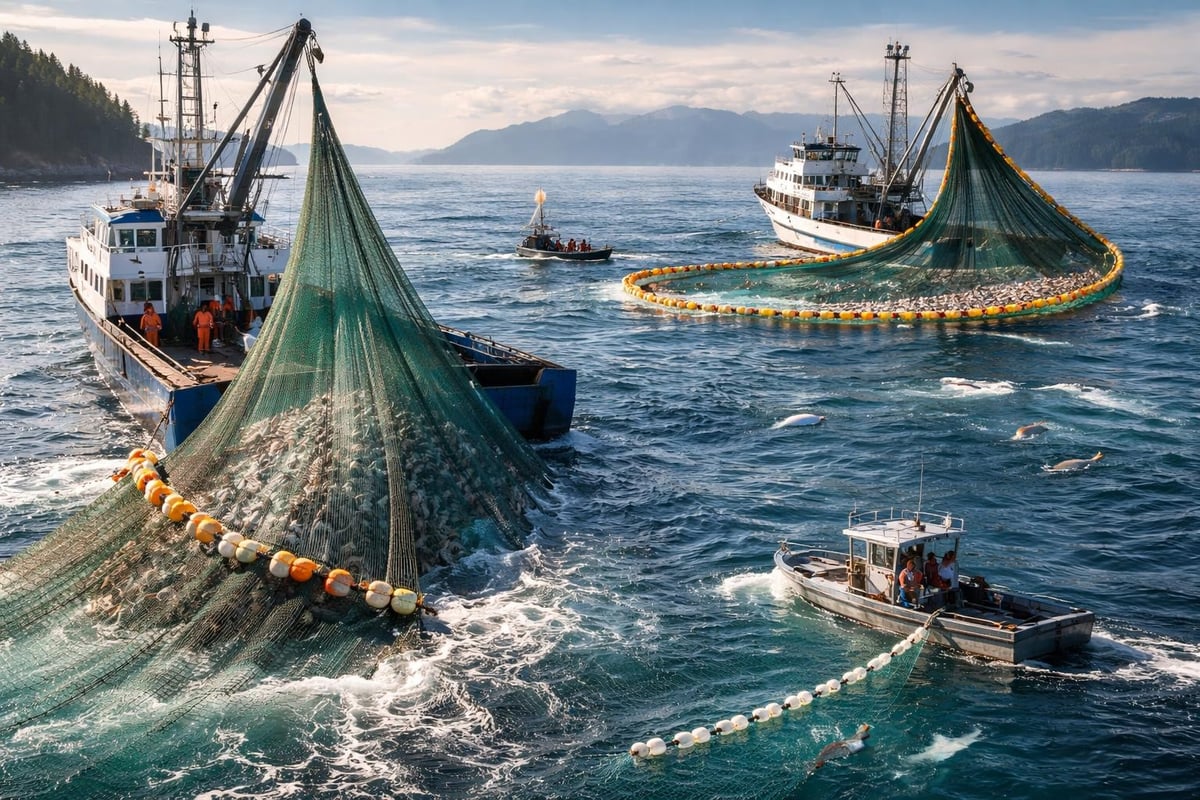
Purse seine nets operate differently, encircling schools of fish near the surface before closing at the bottom like a drawstring purse. This method proves particularly effective for tuna, mackerel, and sardine fisheries throughout the Pacific region.
Gillnets represent another major category, forming vertical walls in the water where fish become entangled by their gills. These industrial fishing nets can be set at various depths and remain stationary or drift with currents.
Material Composition and Durability Standards
Modern industrial fishing nets predominantly utilize synthetic polymers selected for strength, flexibility, and resistance to marine conditions. Nylon, polyethylene, and polypropylene dominate the market, each offering distinct performance characteristics suited to different fishing environments.
Key material properties include:
- Nylon: Superior abrasion resistance and elasticity, ideal for bottom trawling
- Polyethylene (PE): Excellent UV resistance and neutral buoyancy for gillnets
- Polypropylene (PP): Cost-effective with good chemical resistance for purse seines
- High-density polyethylene (HDPE): Enhanced strength-to-weight ratio for deep-water applications
The environmental impacts of synthetic fishing nets throughout their lifecycle have prompted manufacturers to explore more sustainable alternatives, including biodegradable polymers and recycled materials. However, these innovations must meet rigorous performance standards before commercial adoption becomes feasible.
Mesh size, twine diameter, and knot construction significantly influence net durability and catch selectivity. Commercial operators in Pacific fisheries typically specify these parameters based on target species size, fishing depth, and expected wear conditions.
Manufacturing Standards and Quality Control
Industrial fishing nets manufactured to professional standards undergo rigorous testing to ensure they meet commercial fishing demands. Quality control processes verify tensile strength, knot security, and dimensional accuracy across every meter of netting produced.
New Zealand manufacturing standards emphasize consistency and reliability, with producers like Action Outdoors Limited implementing systematic quality checks throughout production. This attention to detail prevents costly failures at sea and extends operational lifespan.
Construction Techniques and Specifications
| Net Component | Standard Specification | Purpose |
|---|---|---|
| Mesh Opening | 50mm to 200mm typical | Species selectivity and bycatch reduction |
| Twine Diameter | 2mm to 12mm | Strength matched to fishing method |
| Breaking Strength | 200kg to 2000kg per strand | Safety under maximum load conditions |
| Knot Type | Double or triple sheet bend | Prevents slippage under tension |
Production capacity matters significantly for commercial operations requiring consistent supply. Facilities producing over 350,000 meters annually can maintain inventory levels that support both planned deployments and emergency replacements.
The integration of fishing innovations continues advancing net design, with manufacturers incorporating LED lighting systems, acoustic reflectors, and escape panels that improve catch quality while reducing unwanted bycatch.
Environmental Considerations and Sustainability Practices
The relationship between industrial fishing nets and marine ecosystem health represents one of the most critical challenges facing commercial fisheries in 2026. Environmental consequences of fishing practices extend beyond targeted catch to include habitat disruption, ghost fishing from abandoned gear, and unintended species capture.
Bottom trawling, which employs heavy nets dragged along the seafloor, generates particular concern due to potential damage to benthic habitats. While this method remains essential for certain fisheries, operators increasingly adopt modified gear designs that minimize seafloor contact.
Sustainability initiatives in industrial fishing nets include:
- Bycatch reduction devices (BRDs) that allow non-target species to escape
- Biodegradable panels that decompose if nets become lost at sea
- Monitoring systems tracking net location to prevent abandonment
- Recycling programs converting old nets into raw materials for new products
- Mesh size regulations promoting juvenile fish survival
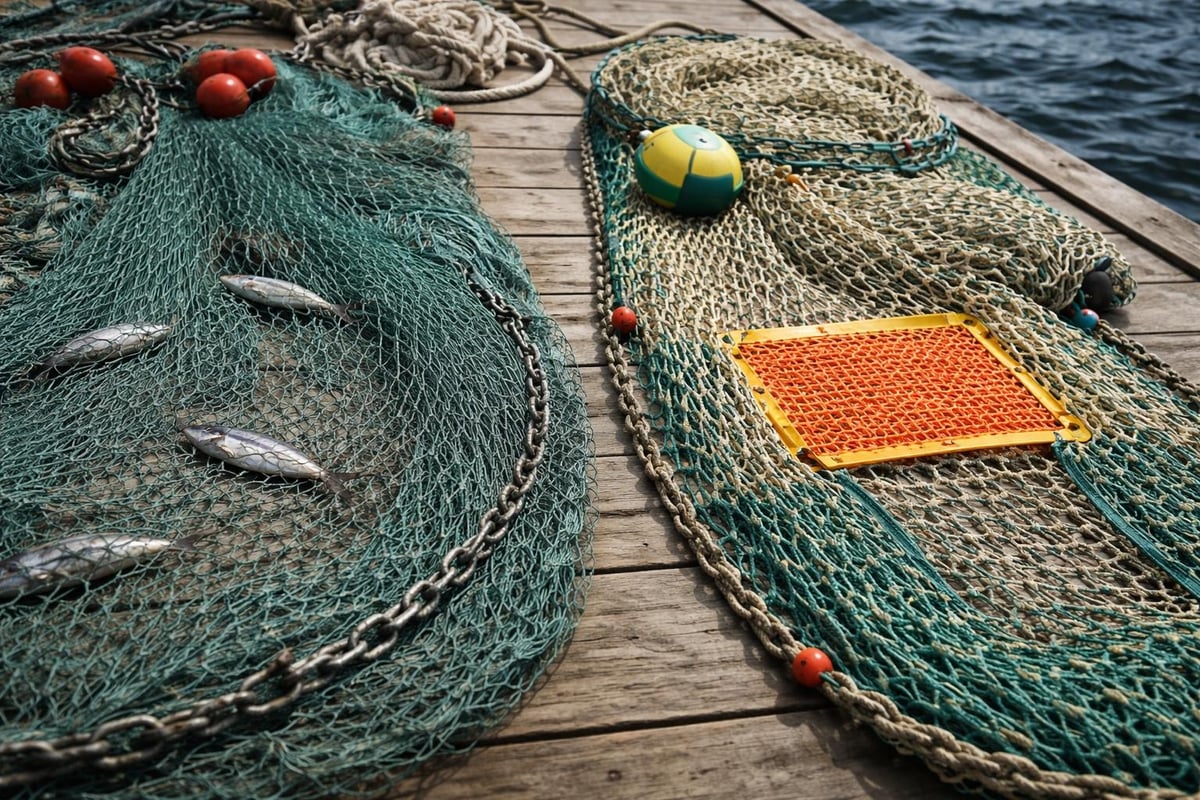
Ghost fishing occurs when lost or abandoned industrial fishing nets continue trapping marine life indefinitely. Industry estimates suggest millions of tons of fishing gear enter oceans annually, creating ongoing ecological damage. Preventive measures now include mandatory gear marking, retrieval incentives, and stronger attachment systems that reduce accidental loss during storms or snagging incidents.
Impact on Food Security and Commercial Viability
The relationship between industrial fishing and food security underscores the importance of sustainable net design and deployment practices. Pacific Island nations rely heavily on commercial fisheries for protein supply and economic development, creating pressure to maximize catch efficiency while preserving fish stocks for future generations.
Properly designed industrial fishing nets contribute to sustainable harvesting by targeting specific size classes and species. Selective gear reduces processing waste and improves catch value, benefiting both commercial operators and marine ecosystems.
Commercial Applications Across Pacific Fisheries
Pacific commercial fisheries encompass diverse operations from small-scale community fishing to large industrial vessels serving international markets. Industrial fishing nets must accommodate this range while delivering consistent performance across varying conditions.
Tuna fisheries dominate commercial catches throughout the region, employing purse seine nets capable of encircling entire schools. These operations require nets exceeding 1,000 meters in length and 200 meters in depth, constructed from high-strength materials that withstand the power of large pelagic fish.
Coastal gillnet fisheries target species including mullet, mackerel, and snapper, using nets that can be deployed from smaller vessels with limited deck space. The versatility of gillnet designs makes them accessible to community fisheries while remaining effective for commercial operations.
Specification Requirements for Different Fisheries
| Fishery Type | Net Category | Typical Length | Mesh Size | Primary Species |
|---|---|---|---|---|
| Offshore Tuna | Purse Seine | 1,200-2,000m | 100-120mm | Skipjack, Yellowfin |
| Coastal Pelagic | Gillnet | 200-500m | 75-90mm | Mackerel, Herring |
| Demersal | Bottom Trawl | 30-80m | 60-100mm | Snapper, Grouper |
| Deepwater | Midwater Trawl | 40-100m | 80-150mm | Orange Roughy, Hoki |
Equipment compatibility extends beyond nets to include floats, ropes, and handling gear that work as integrated systems. Professional suppliers provide complete packages matched to specific vessel capabilities and fishing methods.
Maintenance, Repair, and Lifecycle Management
Industrial fishing nets require systematic maintenance to preserve performance and extend operational life. Regular inspection identifies wear points, damaged sections, and areas requiring reinforcement before catastrophic failure occurs at sea.
Essential maintenance activities include:
- Daily visual inspection for holes, tears, and abraded sections
- Weekly tension testing of critical junction points
- Monthly deep cleaning to remove biological growth and debris
- Quarterly replacement of high-wear components
- Annual comprehensive assessment and documentation
Repair techniques range from simple patch work for minor damage to complete panel replacement for extensive tears. Skilled net mending remains a valuable trade, with experienced technicians able to restore nets to near-original condition at a fraction of replacement cost.
Storage conditions significantly influence net longevity. Proper facilities protect industrial fishing nets from UV degradation, chemical exposure, and physical damage during periods between deployments. Dry, well-ventilated storage areas with protection from direct sunlight preserve synthetic fibers and prevent premature deterioration.
Economic Considerations and Replacement Cycles
The capital investment in industrial fishing nets represents a substantial portion of fishing operation budgets. A single large trawl net can cost tens of thousands of dollars, while comprehensive gillnet fleets require significant ongoing investment in maintenance and replacement.
Operators typically plan replacement cycles based on fishing intensity, target species, and operating conditions. Nets used in abrasive environments or for species with sharp teeth or spines may require replacement every 1-2 years, while those deployed in less demanding conditions can remain productive for 3-5 years with proper maintenance.
Matching fishing equipment to operational requirements optimizes return on investment. Oversized nets waste material and handling time, while undersized equipment limits catch potential and may suffer accelerated wear.
Regulatory Compliance and Industry Standards
Commercial fishing operations face increasingly comprehensive regulatory frameworks governing net specifications, deployment methods, and environmental safeguards. These regulations aim to balance fishery productivity with conservation objectives, ensuring sustainable resource management for future generations.
Mesh size restrictions remain among the most common regulatory tools, preventing capture of juvenile fish that have not reached reproductive maturity. Minimum mesh dimensions vary by fishery and region, with enforcement agencies conducting regular inspections of industrial fishing nets to verify compliance.
Bycatch reduction requirements mandate specific modifications to net designs that allow non-target species to escape. Turtle excluder devices (TEDs) in shrimp trawls and seabird deterrent streamers on longlines exemplify these required adaptations.
Key regulatory areas affecting industrial fishing nets:
- Mesh size minimums based on target species
- Mandatory bycatch reduction devices for sensitive species
- Gear marking and identification requirements
- Seasonal and area-based deployment restrictions
- Reporting and monitoring obligations for catch composition
Pacific Island nations coordinate fishery management through regional organizations that establish consistent standards across their exclusive economic zones. This harmonization simplifies compliance for vessels operating in multiple jurisdictions while promoting sustainable practices throughout the region.
Supply Chain and Procurement Considerations
Reliable access to quality industrial fishing nets determines operational continuity for commercial fisheries. Supply chain disruptions can idle vessels, miss seasonal fishing windows, and compromise business viability. Establishing relationships with manufacturers offering consistent quality and dependable delivery schedules mitigates these risks.
New Zealand-based manufacturers provide advantages for Pacific operations, including shorter shipping distances, familiar quality standards, and responsive customer service. The ability to communicate directly with production facilities enables customization and rapid problem resolution that overseas suppliers may struggle to match.
Procurement Best Practices
Volume requirements influence procurement strategies significantly. Operations using multiple nets benefit from establishing annual supply agreements that guarantee availability while potentially securing volume discounts. Smaller operations may prefer flexible purchasing that matches seasonal fishing patterns.
Technical support and after-sales service add value beyond the initial purchase. Suppliers offering net design consultation, installation guidance, and repair services provide comprehensive solutions that extend equipment life and optimize fishing performance.
Comprehensive marine equipment suppliers offering complete fishing packages simplify procurement by coordinating nets, ropes, floats, and handling gear from a single source. This integration ensures compatibility and streamlines logistics for commercial operators.
Export readiness matters particularly for suppliers serving Pacific Island markets. Manufacturers experienced in international shipping, customs documentation, and regional compliance requirements facilitate smooth transactions and timely delivery to remote locations.
Industrial fishing nets continue evolving to meet the dual demands of commercial productivity and environmental sustainability, with innovations in materials, design, and deployment practices reshaping the industry. Selecting quality equipment from experienced manufacturers ensures commercial fishing operations maintain efficiency while supporting responsible ocean stewardship. Action Outdoors Limited produces over 350,000 meters of professional-grade fishing nets annually, serving commercial and community fisheries throughout the Pacific with New Zealand-made quality, comprehensive marine equipment, and reliable export services to island markets. Explore our complete range of fishing nets and marine supplies at Action Outdoors Limited.
Leave a comment